Yemen's Enduring Echoes: A Journey Through Ancient Sands and Sky-High Cities
Step back in time with me as we explore the breathtaking historical sites of Yemen, where ancient civilizations left an indelible mark on the landscape and human spirit.
Yemen, a land often misunderstood and tragically marred by recent conflicts, holds within its ancient embrace a history so rich, so profound, that it feels like stepping into a living legend. Before the headlines, before the turmoil, Yemen was, and still is, a cradle of civilization, a crossroads of trade, and a beacon of architectural marvels. It's a place where the past isn't just preserved in museums; it breathes in the very stones and sands of its cities. Honestly, when I first delved into the history of this incredible country, I was absolutely captivated by the sheer scale of human achievement and resilience etched into its landscape.
It’s easy to get lost in the modern narrative, but to truly appreciate Yemen, we have to peel back those layers and look at the enduring echoes of its glorious past. From the legendary Queen of Sheba to the intricate trade routes that once crisscrossed its deserts, Yemen has always been a land of immense strategic and cultural importance. The sites we're about to explore aren't just old buildings; they are monuments to ingenuity, faith, and the unyielding spirit of a people who built wonders against all odds. They tell stories of kingdoms, scholars, and everyday lives lived out over millennia, reminding us that history is far more complex and beautiful than we often imagine.
The Sky-Scraping Wonders of Shibam: Manhattan of the Desert
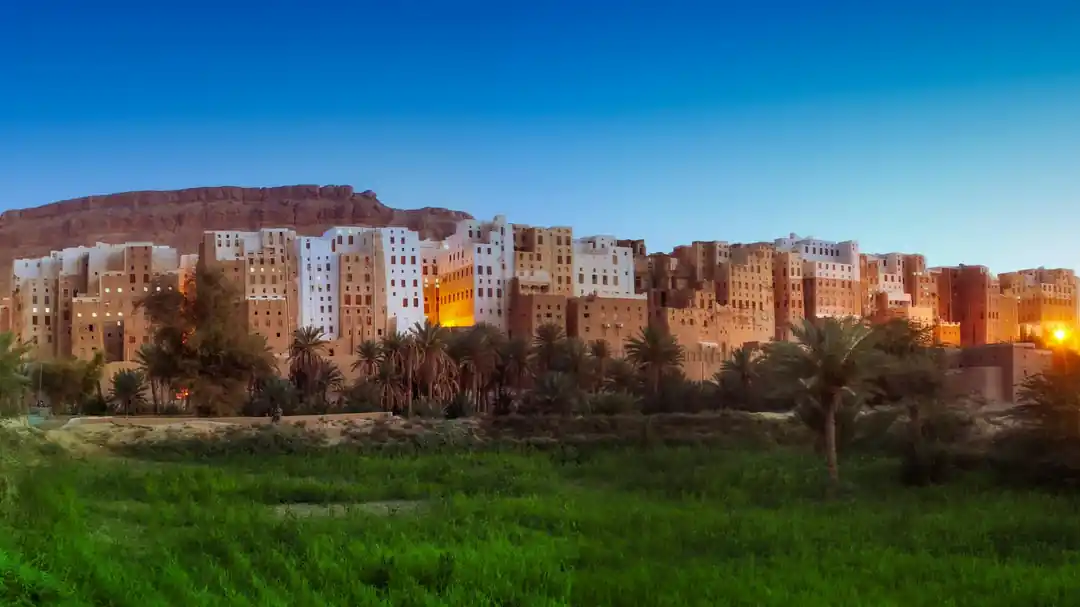
Imagine a city rising dramatically from the desert floor, its buildings reaching for the sky like ancient, earthen skyscrapers. That's Shibam for you, often affectionately dubbed the "Manhattan of the Desert." This incredible walled city, nestled in the Wadi Hadramaut, is a testament to early urban planning and architectural genius. Its towering mud-brick structures, some soaring up to 11 stories high, are truly a sight to behold, especially when bathed in the soft glow of morning light. It's mind-boggling to think that these buildings, constructed primarily from sun-dried mud bricks, have stood for centuries, a silent defiance against the harsh desert environment.
The origins of Shibam trace back to the 3rd century CE, becoming the capital of the Kingdom of Hadhramaut around 300 AD. While many of the current structures date from the 16th century, rebuilt after a devastating flood, the city's vertical construction was a strategic choice. It wasn't just about maximizing space; it was a brilliant defensive mechanism against Bedouin raids and tribal conflicts. The thick mud-brick walls also provided natural insulation, keeping the interiors cool in the scorching desert heat, a clever adaptation that modern architects still marvel at.
Walking through its narrow alleyways, you can almost hear the whispers of ancient traders and feel the bustling energy of a city that was once a vital stop on the spice and incense routes across the southern Arabian plateau. Shibam's compact layout, with its closely built towers, created a unique microclimate and a sense of community that was both protected and self-sufficient. It's a UNESCO World Heritage Site, and rightly so, representing one of the oldest and finest examples of multi-story urban planning in the world. The ongoing efforts to preserve these fragile mud structures, which require constant maintenance against erosion and the elements, highlight the dedication to keeping this living piece of history alive.
Sana'a's Old City: A Jewel Box of Ancient Architecture
Then there's the Old City of Sana'a, the capital, a place that feels like it's been plucked straight from the pages of an Arabian Nights tale. Situated in a mountain valley at an altitude of 2,200 meters, Sana'a has been continuously inhabited for over 2,500 years, making it one of the oldest cities in the world. Its distinctive architecture, characterized by multi-story tower-houses built of rammed earth and burnt brick, adorned with intricate geometric patterns of fired bricks and white gypsum, is simply mesmerizing. Each building feels like a work of art, a testament to centuries of Yemeni craftsmanship.
Sana'a's historical significance extends far beyond its stunning aesthetics. In the 7th and 8th centuries, it became a major center for the propagation of Islam, with its Great Mosque being one of the first built outside Mecca and Medina. This rich religious and political heritage is evident in the city's more than 100 mosques, numerous hammams (bathhouses), and thousands of houses, many built before the 11th century. The city's strategic location along ancient trade routes also ensured its prosperity and cultural exchange throughout history.
Walking through the winding, narrow paths of Old Sana'a is an experience that truly transports you. The clay walls, the bustling souqs (markets), and the vibrant daily life all contribute to an atmosphere that is both ancient and alive. It's a place where history isn't just observed; it's felt, breathed, and lived. Unfortunately, like many historical treasures in the region, the Old City of Sana'a has faced significant challenges, including conflict and natural disasters, leading to its listing as a UNESCO World Heritage Site in Danger. Yet, its enduring beauty and historical depth continue to inspire awe and a deep appreciation for Yemen's cultural legacy.
Zabid: A Beacon of Islamic Scholarship
Moving towards Yemen's western coastal plain, we encounter the Historic Town of Zabid, another UNESCO World Heritage Site that once shone brightly as a center of Islamic learning. From the 13th to the 15th century, Zabid served as the capital of Yemen and played a crucial role in the Arab and Muslim world due to its famed Islamic university. Imagine scholars from across the globe converging here, seeking knowledge and contributing to the intellectual flourishing of the era. The town boasts an impressive concentration of mosques, some 86 in total, ranging from simple brick structures to elaborately decorated ones, reflecting centuries of devotion and architectural evolution.
Zabid's history stretches back even further, flourishing when Islam was first established in the region in the 7th century. Its urban plan and domestic and military architecture are considered exceptional, offering a glimpse into the spatial characteristics of early Islamic cities. The city's location near the Red Sea coast also made it an important economic hub, facilitating trade and cultural exchange. It was a vibrant center where ideas flowed as freely as goods, shaping not just Yemen but the wider Islamic world.
However, the passage of time and modern developments have taken their toll on Zabid. The town was placed on the List of World Heritage in Danger by UNESCO in 2000 due to the deteriorating state of its historic buildings and encroachments by modern constructions. This serves as a poignant reminder of the delicate balance between progress and preservation, and the urgent need to protect these irreplaceable testaments to human history and faith.
Marib: The Legacy of the Queen of Sheba and Ancient Engineering
No journey through Yemen's historical sites would be complete without a visit to Marib, a region steeped in the legends of the Queen of Sheba and home to one of the ancient world's most astonishing engineering feats: the Great Marib Dam. Marib was the heart of the Sabaean Kingdom, a powerful civilization that controlled much of the incense trade across the Arabian Peninsula for centuries. The monuments here, including the Barran Temple and the Awam Temple, date from the 1st millennium BCE to the arrival of Islam, offering a profound connection to a legendary past.
The Marib Dam itself is a marvel. First built around the 8th century BC, with evidence of simpler earth dams dating back to 1750-1700 BC, it was a colossal structure designed to capture periodic monsoon rains and irrigate vast agricultural lands. Researchers estimate that the old Marib Dam irrigated an astonishing 98,000 square kilometers of land, transforming a dry region into a fertile breadbasket. It was a cornerstone of the Sabaean and Himyarite kingdoms' prosperity, a testament to their advanced understanding of hydrology and construction. The dam's collapse in the 6th century AD, often attributed to a combination of natural factors and neglect, marked a significant turning point in the region's history.
Today, the ruins of the ancient dam stand as a powerful symbol of human ingenuity and the cyclical nature of civilizations. A modern dam was built in the 1980s near the ancient site, continuing the legacy of water management in the region. In 2023, the Landmarks of the Ancient Kingdom of Saba, Marib, were added to the UNESCO World Heritage List, immediately recognized as endangered due to ongoing conflicts. This recognition underscores the immense historical value of Marib, a place where the echoes of a powerful ancient kingdom and its legendary queen still resonate across the desert winds.
Yemen's historical sites are more than just ruins; they are vibrant narratives etched in stone and mud, telling tales of human ambition, faith, and resilience. They remind us of the profound contributions this land has made to global civilization and the enduring beauty that lies beneath layers of modern challenges. To contemplate these places is to connect with a shared human heritage, a tapestry woven with threads of ingenuity and spirit that continue to inspire, even from afar.

Navigating the Heart of Hospitality: Essential Etiquette for Your Middle Eastern Journey
Planting Seeds for Their Future: How to Start Investing Early for a Child's Education

Related Posts
 TRANSPORT
Beyond the Highway: Finding Canada's Soul on a Western Rail Adventure
Forget road trips. I'm talking about rediscovering the romance of travel on Via Rail's most scenic routes through the heart of the Canadian West. It’s an experience that changes you.
 TRAVEL TIPS
The Unwritten Rules of the North: What to Know Before Camping in Canada
Heading to the Great White North for a camping trip? It's an amazing idea. But from campfire etiquette to wildlife wisdom, here’s what you need to know before you go.

Popular Posts

Rethinking Non-Profit Promotion: Creative Strategies That Actually Drive Event Impact

Beyond Stark White: The Best Interior Paint Colors to Light Up Your New Space

How to Actually Master a New Language on Your Own (No Magic Gene Required)
