Dreaming of exploring the misty islands of the Pacific Northwest? Here’s everything you need to know to plan your first island-hopping adventure with BC Ferries.
There’s something almost mythical about the islands scattered off the coast of British Columbia. From the US, we often hear whispers of these emerald jewels, places where time seems to slow down, and the connection to nature is palpable. For years, I'd look at maps of the Pacific Northwest and feel a pull towards that intricate coastline just north of the border. The idea of "island hopping" sounded romantic and adventurous, but also a bit daunting. How do you even start? The answer, as I discovered, is surprisingly simple: BC Ferries.
Think of BC Ferries not just as a transportation system, but as the key that unlocks one of North America’s most stunning archipelagos. It’s a floating highway that connects the mainland to a web of islands, each with its own unique personality. My first trip felt like a true expedition. I remember the slight thrill of driving my car onto the massive vessel, the salty air hitting my face as we pulled away from the dock, and the feeling of leaving the hustle of the mainland behind. It’s more than just a boat ride; it’s the official start of the adventure, a moment to decompress and watch the breathtaking scenery unfold.
If you're standing where I was, intrigued but slightly intimidated, this guide is for you. We’ll break down the essentials, from choosing your route to making the most of your time on the water. Forget any logistical worries; this system is a well-oiled machine designed to make your journey smooth, comfortable, and utterly memorable.
Charting Your Course: The Core Routes and Must-See Islands
Before you can hop, you need a plan. The BC Ferries network is extensive, but for a first-timer coming from the States, the most logical and rewarding starting point is the Tsawwassen ferry terminal, located just south of Vancouver and a very manageable drive from the Washington border. From here, you have two primary choices: a direct shot to the big prize, Vancouver Island, or a more meandering path through the enchanting Southern Gulf Islands.
The most popular route for American visitors is undoubtedly Tsawwassen to Swartz Bay. This is your main artery to Victoria, the charming, British-flavored capital of British Columbia. The 90-minute journey is a scenic marvel, weaving through a channel called Active Pass, where the currents are strong and the forested shores of Galiano and Mayne Islands feel close enough to touch. It’s a premier route for a reason and serves as a perfect introduction to the scale and beauty of the region.
However, if true island hopping is your goal, the Southern Gulf Islands are where the magic lies. From that same Tsawwassen terminal, you can catch ferries to Salt Spring, Galiano, Pender, and Mayne Islands. Salt Spring is the largest and most popular, famous for its Saturday Market, artisan food producers, and creative, bohemian vibe. Galiano is known as the "gem of the Gulf Islands," a long, thin island with incredible sandstone formations and lush forests. Each island offers a different flavor of peaceful, coastal life, and the journey between them is a huge part of the appeal.
Reservations, Fares, and Foot Passengers: The Nitty-Gritty
Here’s the most crucial piece of advice I can give you: make a reservation. I can’t stress this enough, especially if you’re traveling with a vehicle during the summer (May to September) or on any holiday weekend. I’ve seen the long lines of cars in the standby lanes, and I’ve heard the sighs of relief from people like me who booked their spot in advance. You can reserve online through the BC Ferries website, and it’s a small fee to pay for the peace of mind of knowing you have a guaranteed spot on your desired sailing.
When you book, you’ll choose whether you’re bringing a vehicle or traveling as a "foot passenger." Bringing your car offers the most freedom to explore the larger islands, like Vancouver Island or Salt Spring, at your own pace. However, going by foot is a fantastic, and cheaper, option. You can often walk to charming villages or trailheads from the ferry terminals, and many islands have local shuttle buses or bike rental shops. It forces a slower, more deliberate pace of travel that can be incredibly rewarding.
Fares vary by route, time of year, and whether you have a vehicle. It’s worth looking into the "Saver Fares" that BC Ferries offers on less-busy sailings, typically early in the morning or later in the evening. These can offer significant savings. Also, if you plan on doing a lot of inter-island travel in the Gulf Islands, ask about thru-fare options, which can sometimes be more economical than buying a series of single tickets.
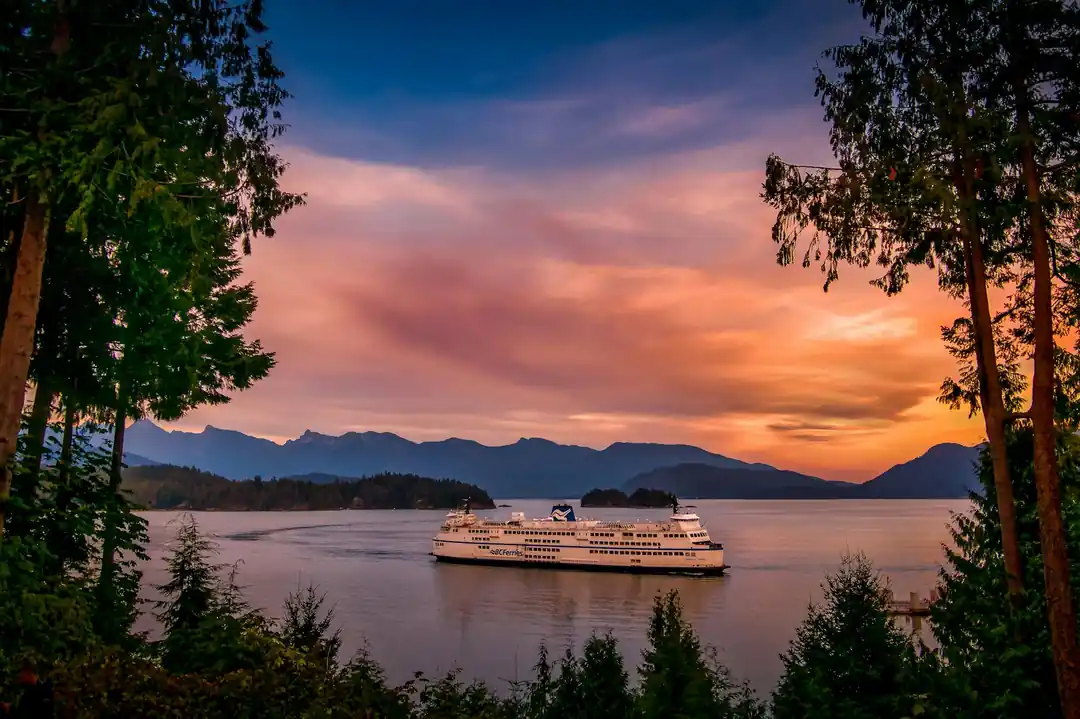
Life on the Water: Making the Most of the Journey
The ferry ride itself is an integral part of the island-hopping experience. These are not just bare-bones transport vessels; they are comfortable, well-equipped ships designed for sightseeing. As soon as I park my car, I head straight for the upper decks. Find a spot on the sun deck or along the rail, and just watch the world go by. The coastal mountains provide a stunning backdrop, and the passage is often dotted with sailboats, fishing boats, and the occasional superyacht.
One of the biggest thrills is the potential for wildlife spotting. It’s not uncommon to see seals lounging on rocky outcrops or even pods of orcas and humpback whales surfacing in the distance. Keep your eyes peeled, especially when navigating the narrower channels between islands. The collective gasp from passengers when a whale is spotted is a moment of shared wonder you won’t forget.
Inside, you’ll find a range of amenities. Most of the major route ferries have a cafeteria-style restaurant serving everything from coffee and pastries to their surprisingly decent burgers. There are also gift shops, play areas for kids, and plenty of comfortable seating with panoramic windows. It’s a chance to relax, read a book, or simply stare out at the endless expanse of water and trees, feeling the rhythm of the ocean and the promise of the island ahead. It’s a forced pause, a moment of transition that perfectly sets the stage for the quiet beauty you’re about to discover.
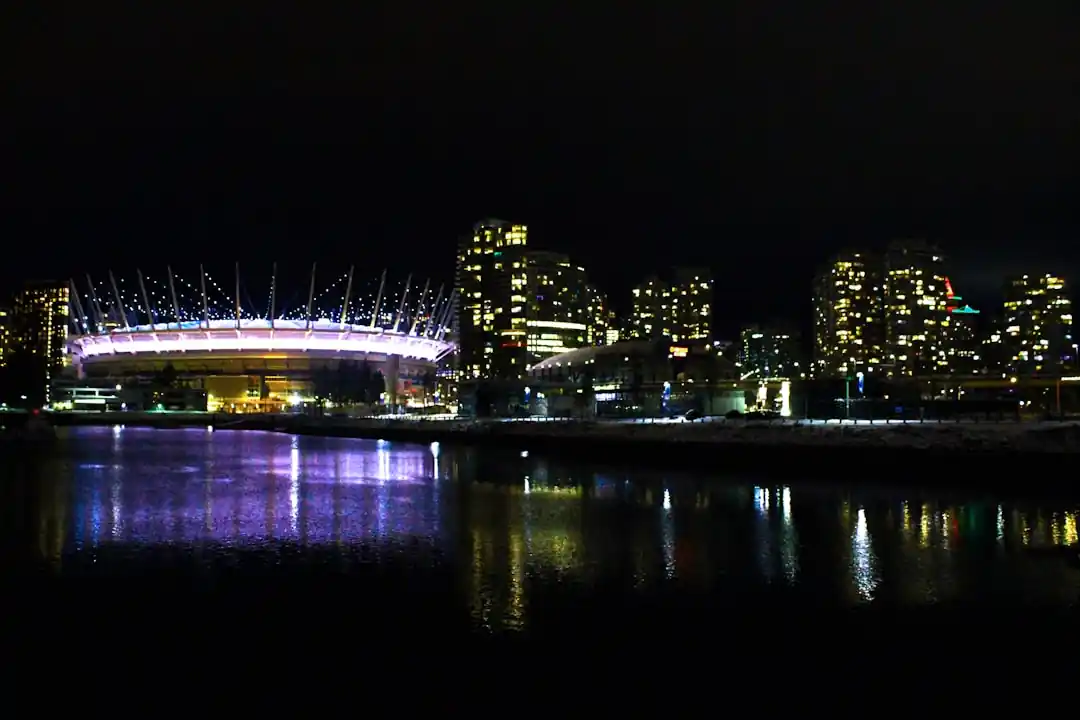
How to Ride Vancouver's Public Transit Like a Local
That Frozen Lake Looks Tempting, But Is It Safe? Here's How to Check

Related Posts
 TRANSPORT
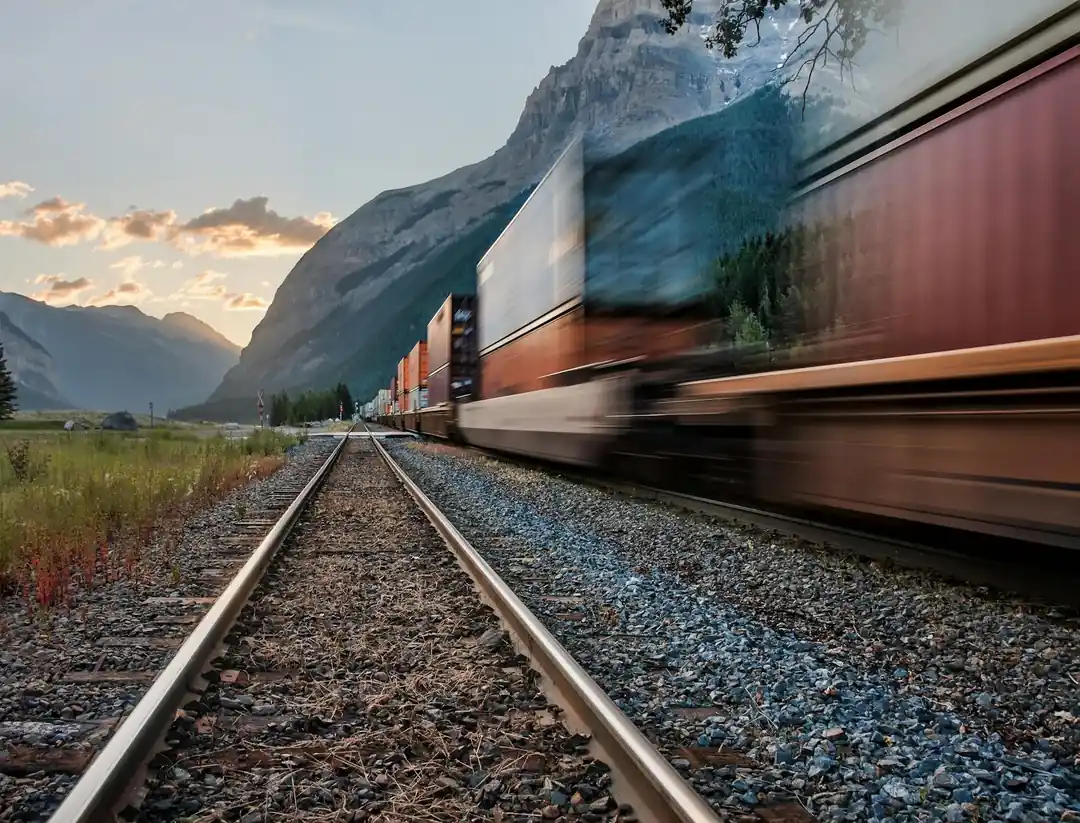
Beyond the Highway: Finding Canada's Soul on a Western Rail Adventure
Forget road trips. I'm talking about rediscovering the romance of travel on Via Rail's most scenic routes through the heart of the Canadian West. It’s an experience that changes you.
 TRAVEL TIPS
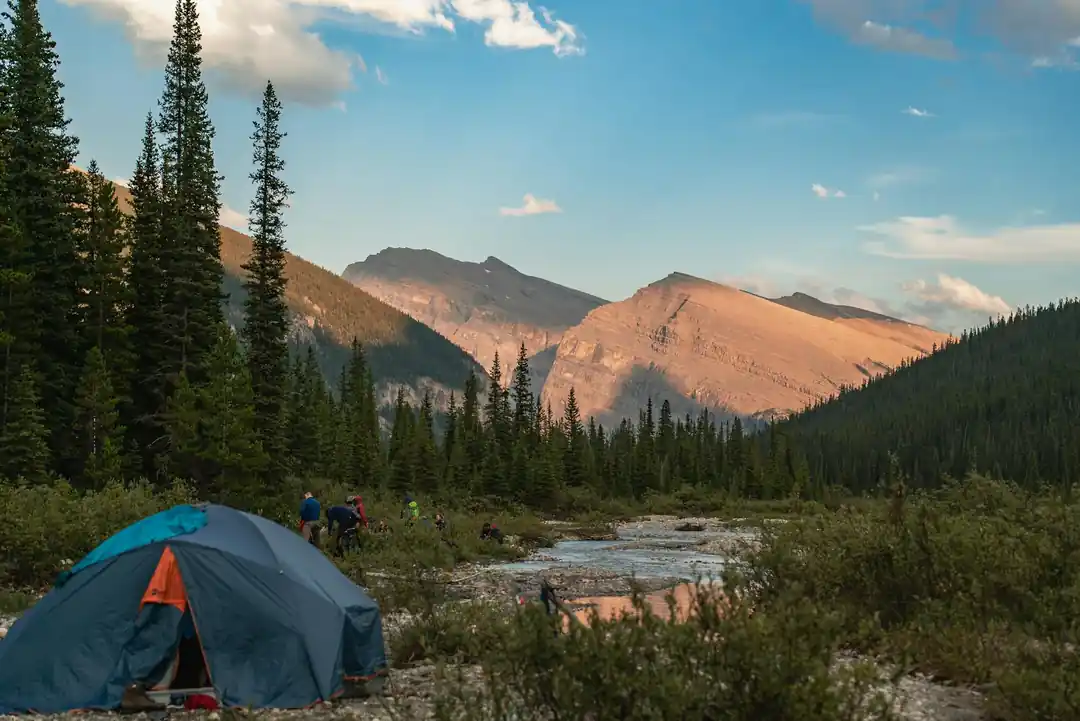
The Unwritten Rules of the North: What to Know Before Camping in Canada
Heading to the Great White North for a camping trip? It's an amazing idea. But from campfire etiquette to wildlife wisdom, here’s what you need to know before you go.
Popular Posts

Rethinking Non-Profit Promotion: Creative Strategies That Actually Drive Event Impact

Beyond Stark White: The Best Interior Paint Colors to Light Up Your New Space

How to Actually Master a New Language on Your Own (No Magic Gene Required)
