When you hear 'Siberia,' you might think of a frozen wasteland. But what if I told you one of its republics is a land of diamonds, ancient mammoths, and a vibrant culture that thrives in the extreme cold? Let's journey to Yakutia.
Honestly, my first mental picture of Yakutia was just... cold. An endless, biting, soul-shattering cold. And while that’s not wrong, it’s like describing the ocean as just "wet." The Republic of Sakha (Yakutia), a colossal territory in northeastern Siberia, is so much more than its frosty reputation. It’s a place of profound extremes, where the ground has been frozen for millennia, yet the earth yields some of the world’s most precious treasures.
This is a land that challenges everything you think you know about resilience. It’s almost a fifth of Russia's entire landmass, a sprawling expanse larger than Argentina, with a population smaller than Rhode Island's. It’s a place where the past is not just remembered but is physically preserved in the ice, waiting to be discovered. From the coldest city on Earth to rivers of diamonds and festivals celebrating the summer sun, Yakutia is a study in contrasts, a testament to the enduring power of both nature and the human spirit.
The Kingdom of Cold and Permafrost
Let's get the most famous fact out of the way: Yakutia is home to the coldest inhabited places on our planet. The capital, Yakutsk, is a city of over 300,000 people that regularly sees January temperatures plunge to an average of -40°F. It’s a cold that’s hard for most of us to even imagine—a cold where wearing glasses outside can be a hazard because they might freeze to your face, and where cars are often left running all day to prevent their engines from seizing.
This entire region is built on a foundation of permafrost—ground that remains frozen year-round, in some places for thousands of feet deep. This geological reality dictates every aspect of life. Buildings aren't constructed on the ground but on deep concrete stilts, allowing air to circulate underneath and prevent the structure's heat from melting the frozen earth it stands on. It’s a landscape of "drunken forests," where trees tilt at bizarre angles as the top layer of soil melts and refreezes, and where digging a simple grave becomes a multi-day effort involving bonfires.
And if Yakutsk sounds intense, venture to Oymyakon, the "Pole of Cold." This is where the lowest temperature for any permanently inhabited settlement was recorded: a staggering -96.2°F (-71.2°C). Yet, in a twist of extreme climate, summers can be surprisingly warm, sometimes even hot. This incredible swing between brutal winter and fleeting summer defines the rhythm of life here, creating a resilience in its people that is nothing short of awe-inspiring.
A Treasure Chest Beneath the Ice
For all its forbidding cold, Yakutia is unimaginably rich. This republic is the literal diamond heart of Russia, accounting for about 99% of the country's rough diamond production and around a quarter of the entire world's supply. The industry is dominated by the Russian mining giant Alrosa, whose operations have carved colossal open-pit mines into the Siberian landscape, the most famous of which is the Mirny mine—a hole so vast it creates its own vortex.
The story of Yakutia's diamonds is a relatively recent one, beginning in earnest after World War II when the Soviet Union launched a massive geological survey. The discovery of the first kimberlite pipe—the volcanic rock formations that contain diamonds—in 1955 turned this remote region into a global center for one of the world's most sought-after luxuries. It’s a fascinating paradox: the ultimate symbol of glamour and wealth, wrested from one of the harshest and most unforgiving environments on Earth.
But the riches don't stop at diamonds. Yakutia is a geological treasure chest, holding vast reserves of gold, oil, natural gas, coal, silver, and tin. This immense mineral wealth is the engine of the regional economy, drawing workers from all over and fueling development in this remote corner of the world. The land's frozen exterior conceals a fiery heart of immense value.
Land of the Mammoth
The permafrost that defines Yakutia does more than just challenge its builders; it acts as a perfect natural freezer. And what it has preserved is nothing short of extraordinary. Yakutia is world-famous for its incredible discoveries of Ice Age megafauna. Perfectly preserved woolly mammoths, woolly rhinoceroses, ancient horses, and cave lions have been unearthed from the frozen soil, some with their skin, fur, and even internal organs still intact.
These discoveries are a priceless window into a prehistoric world. Scientists can study their last meals, their genetics, and the environment they lived in tens of thousands of years ago. The city of Yakutsk is home to the world's only Mammoth Museum, a research center dedicated to these amazing finds. There's even ongoing, and controversial, research into the possibility of cloning a woolly mammoth using DNA extracted from these frozen specimens.
Walking through the underground permafrost tunnels in Yakutsk, you can see the layers of ice that have held these secrets for so long. It’s a tangible connection to deep time, a humbling reminder that the land here holds stories that are almost unimaginably old.
The Enduring Spirit of the Sakha People
The true heart of Yakutia is its indigenous people, the Sakha (or Yakuts). A Turkic people who migrated north centuries ago, they have developed a unique and vibrant culture that is deeply intertwined with the natural world. Their language, traditions, and spiritual beliefs have allowed them to thrive in an environment that would seem impossible to outsiders.
The Sakha have a deep reverence for nature, with a traditional belief system full of spirits that inhabit the sky, the earth, and the underworld. This connection is most beautifully expressed during Ysyakh, the summer solstice festival. After the long, oppressive darkness of winter, Ysyakh is an explosive celebration of rebirth and renewal. Families gather in traditional dress, share feasts of horse meat and kumis (fermented mare's milk), and participate in the Osuokhai, a continuous circle dance that can last for hours, symbolizing the endless cycle of life.
This culture is one of incredible ingenuity. Their traditional cuisine, like stroganina (paper-thin slices of raw, frozen fish), is a direct result of their environment. Their epic poems, known as Olonkho, are so significant they have been declared a Masterpiece of the Oral and Intangible Heritage of Humanity by UNESCO. The Sakha spirit is a powerful testament to adaptation, proving that a rich and joyful culture can flourish in the most extreme conditions.
Nature's Untouched Masterpiece: The Lena Pillars
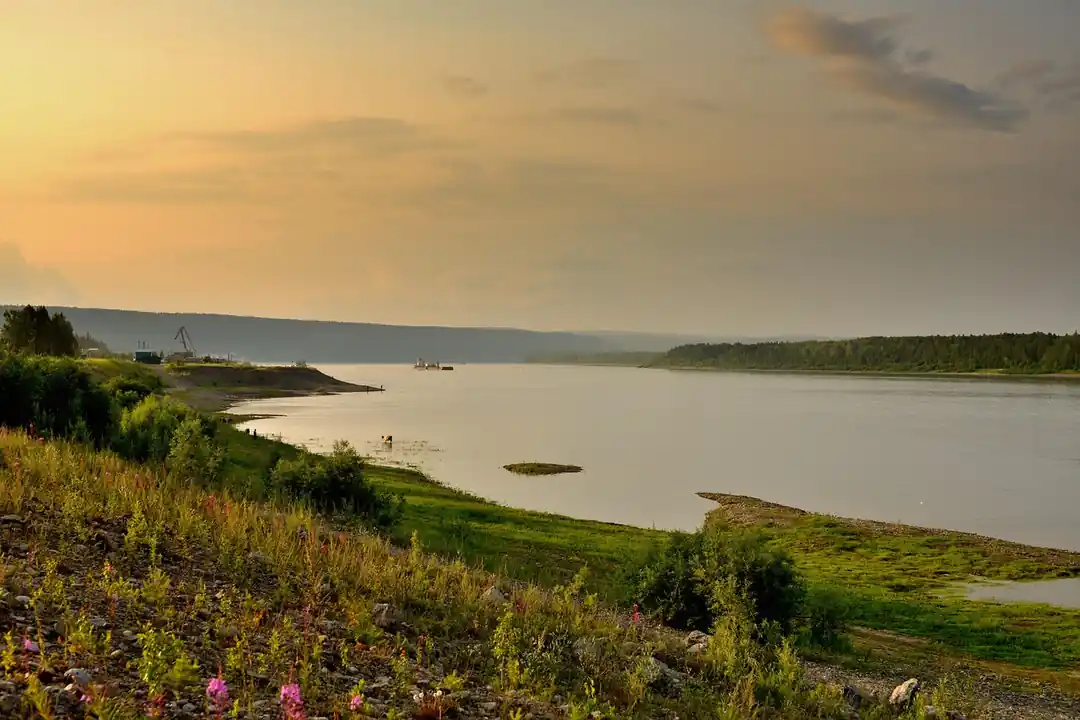
As if mammoths and diamonds weren't enough, Yakutia is also home to one of the world's most spectacular natural wonders: the Lena Pillars Nature Park. Also a UNESCO World Heritage Site, this is a dramatic, 125-mile-long stretch of towering rock pillars that line the banks of the majestic Lena River. Reaching heights of up to 1,000 feet, these stone "fingers" create a breathtaking forest of rock that looks like something from another world.
The pillars were sculpted over hundreds of millions of years by the region's extreme climate, with the freeze-thaw cycle slowly carving them out of the limestone cliffs. But their significance goes even deeper. The fossils found here date back to the Cambrian Period and provide some of the most important evidence of the "Cambrian Explosion," the moment in Earth's history when complex life suddenly and rapidly diversified.
To see the Lena Pillars, often on a multi-day river cruise from Yakutsk, is to witness the raw, artistic power of nature. They stand as silent, ancient sentinels, guarding the stories of our planet's very origins. It’s a fitting monument for a land as grand, ancient, and mysterious as Yakutia. This remote republic is a place that gets under your skin, a land of ice and fire that leaves you with a profound sense of wonder for the incredible diversity of our world.
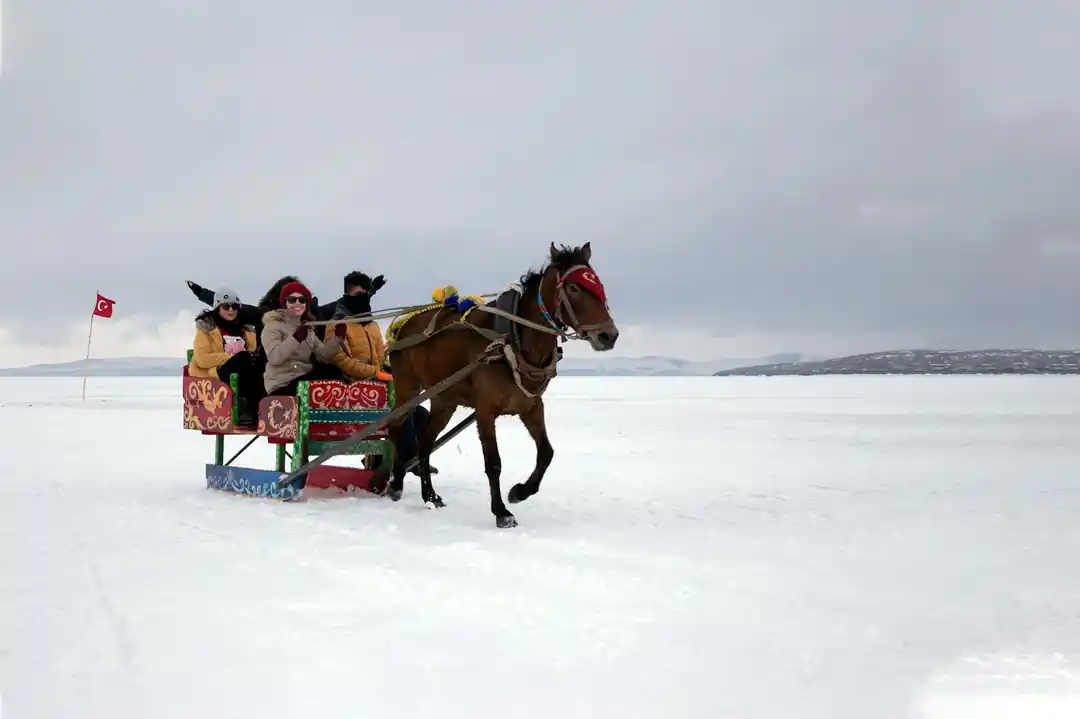
Packing for Siberia in Winter? Don't Freeze Up, Read This First.
Your Guide to Driving in Israel: Rules & Tips for US Tourists
Related Posts
 TRANSPORT
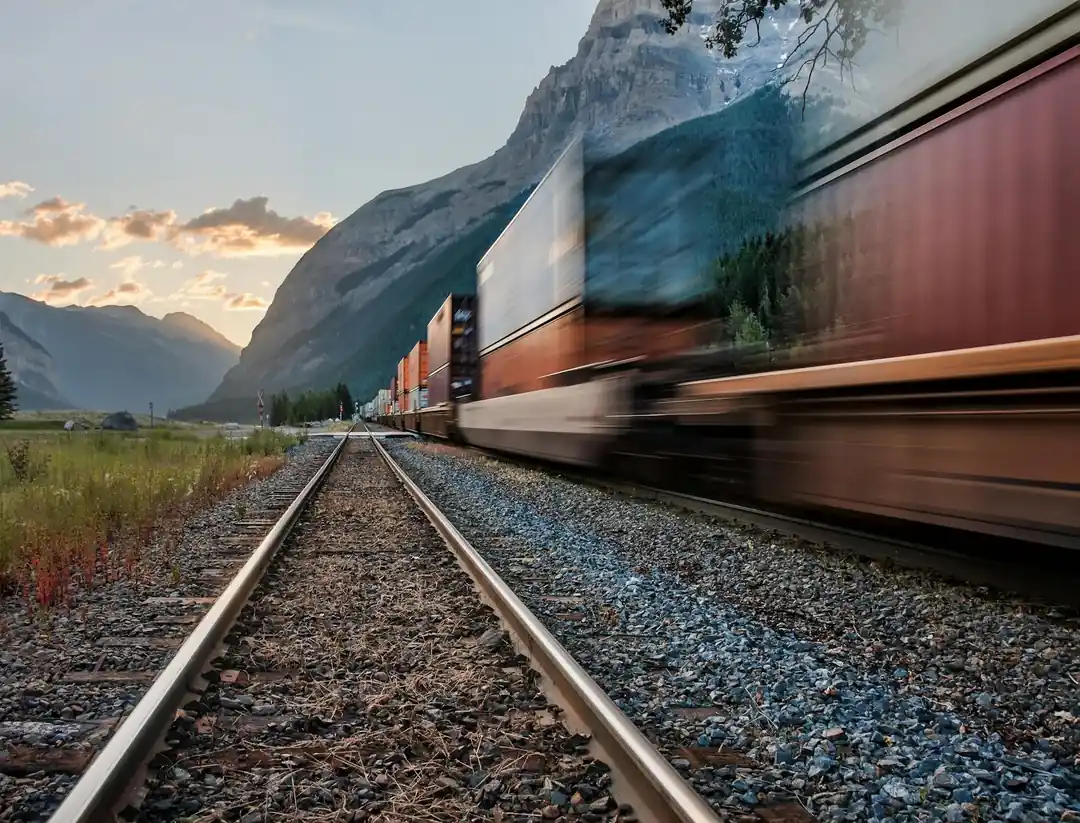
Beyond the Highway: Finding Canada's Soul on a Western Rail Adventure
Forget road trips. I'm talking about rediscovering the romance of travel on Via Rail's most scenic routes through the heart of the Canadian West. It’s an experience that changes you.
 TRAVEL TIPS
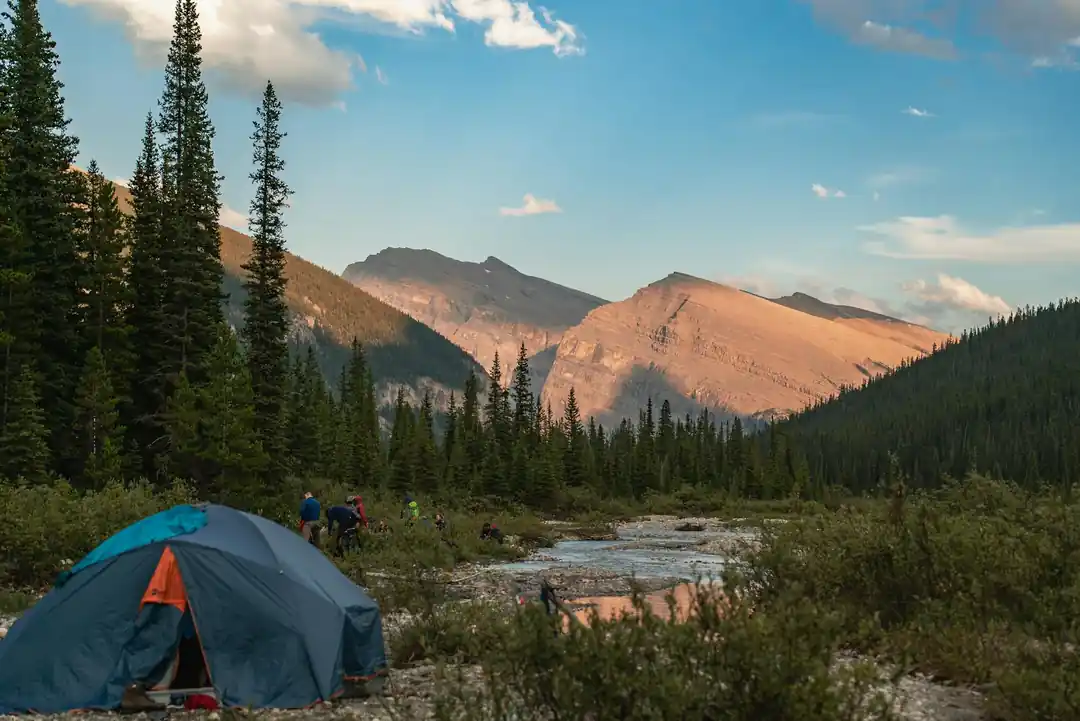
The Unwritten Rules of the North: What to Know Before Camping in Canada
Heading to the Great White North for a camping trip? It's an amazing idea. But from campfire etiquette to wildlife wisdom, here’s what you need to know before you go.

Popular Posts

Rethinking Non-Profit Promotion: Creative Strategies That Actually Drive Event Impact

Beyond Stark White: The Best Interior Paint Colors to Light Up Your New Space

The Simple Pre-Workout Fueling Strategy That Saved My Long Runs