Forget everything you think you know about road trips. In the vast, frozen wilderness of Yakutia, getting from A to B is an adventure that defies convention.
There are places on this planet that recalibrate your sense of scale, and then there’s the Sakha Republic. More commonly known as Yakutia, this immense territory in the heart of Siberia is larger than Argentina, yet home to fewer than a million people. It’s a land of superlatives—the coldest inhabited region on Earth, rich in diamonds, and defined by a geography so extreme it dictates every aspect of life, especially travel. Thinking about how to get between its cities isn't like planning a trip from L.A. to San Francisco; it's an exercise in logistics, patience, and a deep respect for nature's power.
I’ve always been fascinated by places that exist at the edge of what seems possible. When I started looking into Yakutia, I was hooked. The idea of a place where rivers become highways and roads appear and disappear with the seasons sounds like something from a fantasy novel. But it’s real. Forget your GPS recalculating for traffic; here, the entire concept of a "road" can be a temporary, frozen miracle. Understanding how people navigate this requires throwing out the rulebook and embracing a completely different rhythm of life.
The Arteries of Ice and Asphalt
Let's start with the roads—or what passes for them. The most famous is the Kolyma Highway, often called the "Road of Bones." This isn't just a nickname; it's a chilling reminder of its construction by Gulag prisoners, whose remains are said to be buried within the road itself. It connects Yakutsk to Magadan and is one of the few major federal highways. But "highway" is a generous term. While sections are paved, much of it is a gravel road that winds through some of the most desolate and beautiful landscapes imaginable. Driving it is a serious undertaking, a bucket-list item for the most adventurous motorists.
Then there are the zimniki, or winter roads. This is where things get truly wild. These are temporary roads, primarily built on frozen rivers and packed snow, that only exist during the coldest months. When the mighty Lena River freezes solid, it becomes a literal highway of ice, complete with lane markings and road signs. Trucks laden with supplies, cars, and buses all traverse these frozen arteries, connecting communities that are isolated for much of the year. It’s a surreal experience, driving over a river that, just a few months prior, was a flowing body of water. The window for using these roads is finite, and their opening and closing are major annual events, dictated entirely by temperature.
The existence of zimniki highlights a peculiar challenge in Yakutia: the shoulder seasons. In spring, as the ice breaks up, and in autumn, as it begins to form, travel can grind to a halt. Ferries can't run, but the ice isn't yet strong enough to drive on. During these periods, which can last for weeks, many communities become "islands," accessible only by air. It’s a powerful reminder of who’s really in charge here (hint: it’s not the people).
Floating Highways of Summer
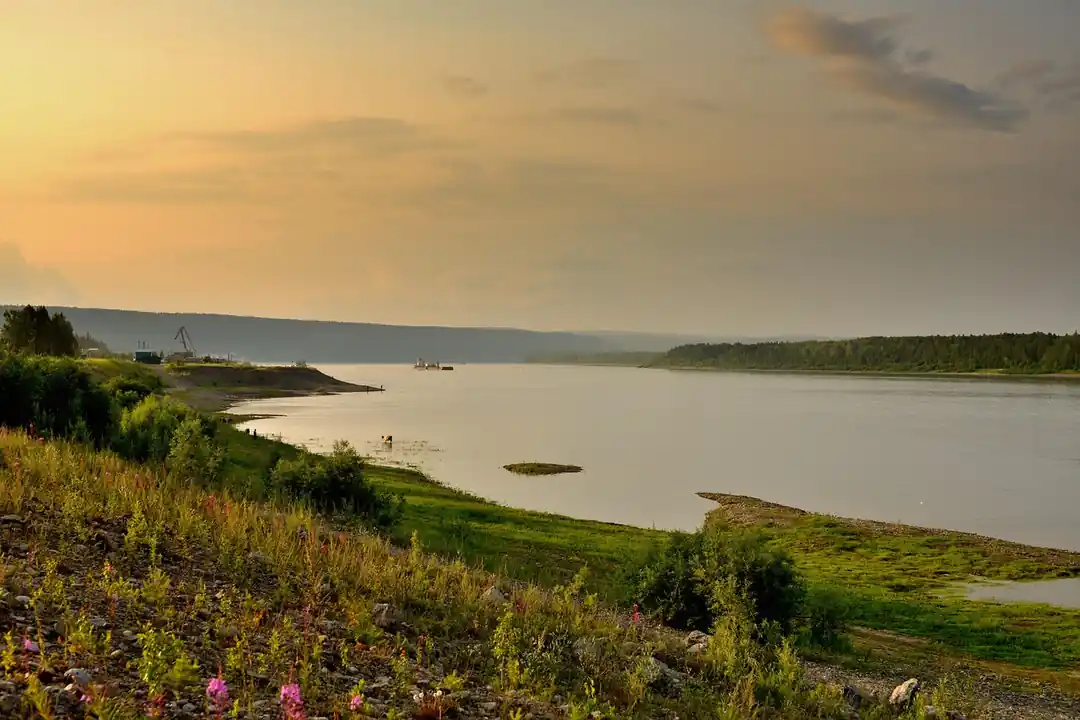
When the ice finally melts, the rivers transform from solid roads back into liquid highways. The Lena River, one of the longest in the world, becomes the main artery for transport during the short but intense Siberian summer. Ferries, hydrofoils, and cargo barges become the lifeblood of the region, moving people and goods between settlements scattered along the riverbanks. For a traveler, this offers an entirely different perspective on the landscape.
Taking a ferry or even a multi-day river cruise is one of the best ways to see the country. The journey from Yakutsk to the Lena Pillars Nature Park, a stunning UNESCO World Heritage site featuring dramatic rock formations, is a popular route. It’s a slow, meditative way to travel, watching the endless taiga scroll by. Unlike the harsh, monochromatic world of winter, the summer reveals a vibrant, green landscape teeming with life.
However, just like the zimniki, river travel is entirely at the mercy of the seasons. The navigation period is short, typically from June to September. Once the temperatures start to drop, the boats dock, and the region holds its breath, waiting for the freeze to set in and the ice roads to return. This cyclical nature of transport is something locals have adapted to for generations, planning their lives and logistics around these profound seasonal shifts.
When in Doubt, Take to the Skies
Given the immense distances and the seasonal limitations of ground and river travel, it’s no surprise that aviation is a cornerstone of Yakutian life. For many remote towns and villages, small propeller planes, often the rugged and reliable Antonov An-24s, are the only connection to the outside world for large parts of the year. These flights are not your typical commercial experience; they feel more like a local bus service, carrying a mix of passengers, mail, and essential supplies.
Yakutsk Airport serves as the central hub, connecting the republic to major Russian cities like Moscow and St. Petersburg, as well as branching out to the smaller regional airstrips. Flying in Yakutia offers a breathtaking perspective of the sheer scale of the landscape. From the air, you can see the endless expanse of the taiga, the intricate web of rivers, and in winter, the stark white emptiness that stretches to the horizon.
For anyone planning a trip, flying is often the most practical, if not the only, option for covering long distances. While it lacks the gritty, on-the-ground experience of a road trip, it’s a vital and fascinating part of the transportation puzzle in this part of the world. It’s a system built out of necessity, ensuring that no community is ever truly cut off.
Traveling in the Sakha Republic is less about the destination and more about the journey itself. It’s about witnessing a way of life that is profoundly connected to the rhythms of the natural world. Whether you find yourself on a road of bones, a highway of ice, or a ferry navigating a legendary river, you’ll come away with a newfound appreciation for the ingenuity and resilience it takes to live and move in one of the most extreme environments on Earth. It’s a place that stays with you, a quiet reminder of the wildness that still exists in the world.
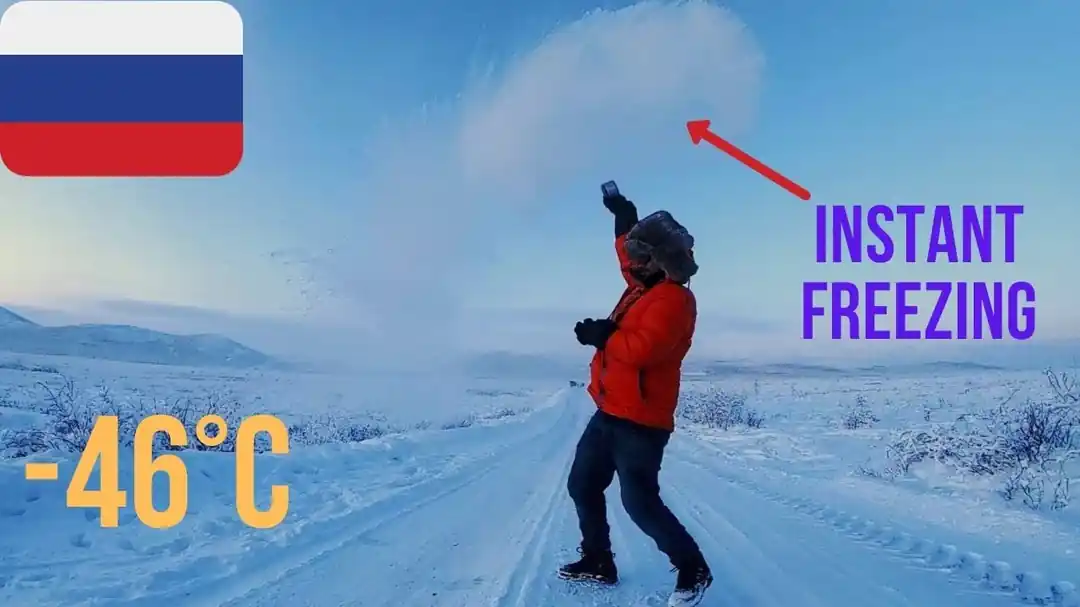
Siberia's Frozen Lifeline: Conquering the Lena Highway Ice Road
The Unspoken Rules of Traveling in Extreme Cold

Related Posts
 TRANSPORT
Beyond the Highway: Finding Canada's Soul on a Western Rail Adventure
Forget road trips. I'm talking about rediscovering the romance of travel on Via Rail's most scenic routes through the heart of the Canadian West. It’s an experience that changes you.
 TRAVEL TIPS
The Unwritten Rules of the North: What to Know Before Camping in Canada
Heading to the Great White North for a camping trip? It's an amazing idea. But from campfire etiquette to wildlife wisdom, here’s what you need to know before you go.

Popular Posts

Rethinking Non-Profit Promotion: Creative Strategies That Actually Drive Event Impact

Beyond Stark White: The Best Interior Paint Colors to Light Up Your New Space

How to Actually Master a New Language on Your Own (No Magic Gene Required)
