Stuck in the Soup: A Traveler’s Guide to Handling Fog Delays
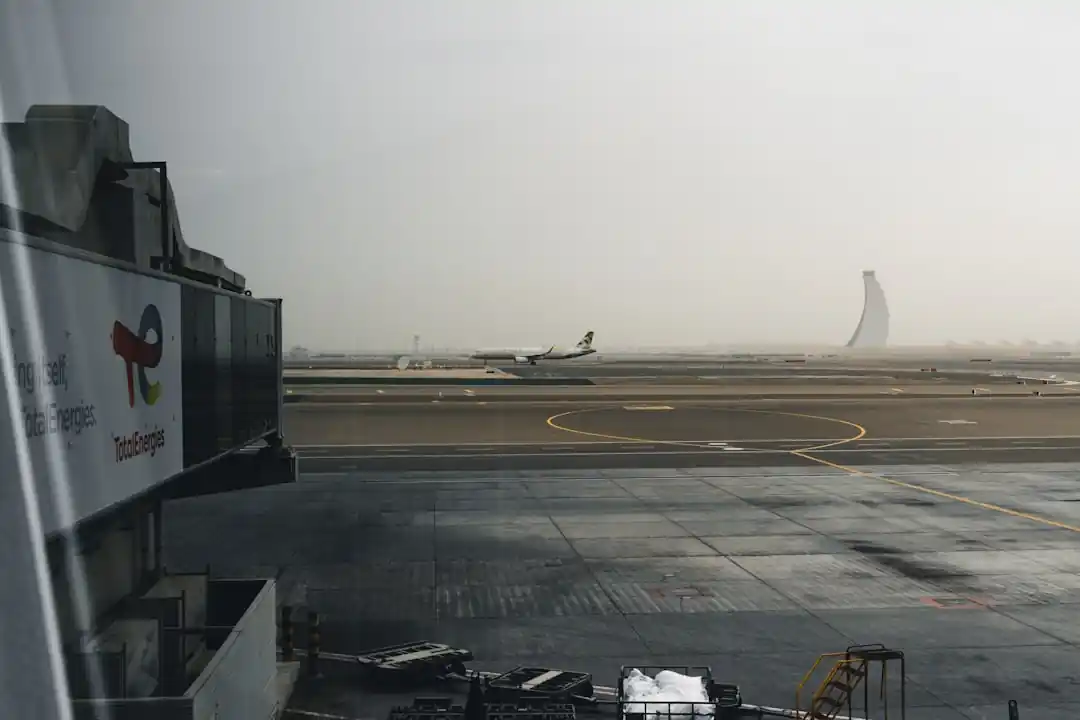
That moment when the airport terminal view turns into a wall of white. Fog delays are frustrating, but they don't have to ruin your trip. Here’s how to navigate them.
There’s a unique kind of stillness that falls over an airport when a thick blanket of fog rolls in. The usual frantic energy of travelers rushing to their gates is replaced by a collective, quiet sigh. One minute you’re mentally sipping a cocktail on the beach; the next, you’re staring at a departure board where the word "DELAYED" is glowing ominously next to your flight number. It’s a frustrating, almost surreal experience, feeling so close to your journey, yet held captive by a cloud.
Honestly, I’ve had my share of these moments. I remember a trip out of San Francisco where the infamous marine layer decided to hug the airport for a solid six hours. My initial reaction was a mix of disbelief and rising panic. All my carefully laid plans, the hotel check-in, the dinner reservation, seemed to be dissolving into the mist. But over the years, I've learned that while you can't control the weather, you can absolutely control your reaction to it. A fog delay doesn't have to be a miserable waiting game; it can be an unexpected pause, a chance to regroup and make the best of a bad situation.
Why Fog Grounds Flights (And Why It’s a Good Thing)
First, let's talk about why this happens. It might seem overly cautious to ground an entire fleet of advanced aircraft for what looks like just a bit of low-hanging cloud. But fog is one of the most hazardous weather conditions for aviation. It dramatically reduces visibility, which is critical for pilots during both takeoff and landing. Modern aircraft are equipped with incredible technology, including Instrument Landing Systems (ILS) that help them land in low visibility, but even these have their limits. The most advanced systems still require a minimum visibility range for a safe landing.
Think about it: a pilot needs to be able to see the runway, the taxiways, and other aircraft on the ground to navigate safely. In dense fog, the risk of a runway incursion—where an aircraft improperly enters the runway—or other ground collisions increases dramatically. So, when air traffic control calls for a ground stop or delays flights due to fog, they are making a critical safety decision. It’s inconvenient, for sure, but it’s a decision that ensures everyone, from the passengers to the crew, stays safe. Knowing this helps me frame the delay not as an annoyance, but as a necessary precaution.
Your First Moves: Information is Power
The moment you hear the word "delayed," your first instinct should be to become an information gatherer. Don't just passively wait at the gate for announcements that may or may not come. Get proactive. The airline's mobile app is your new best friend. It will almost always have the most up-to-date information, often pushed out even before the gate agents are notified. Turn on notifications for your flight and refresh it frequently.
While you're doing that, it's also wise to understand your rights. In the U.S., airlines aren't required by law to compensate passengers for delays caused by weather, as it's considered an "Act of God." This means they don't have to provide meal vouchers or hotel rooms. However, this is where airline policy and customer service come in. Some airlines will offer these amenities as a gesture of goodwill, especially during extended delays. Politely ask the gate agent or contact the airline's customer service via social media (sometimes a faster option) about their policy. Also, if the delay becomes a cancellation, you are entitled to a full refund for the unused portion of your ticket if you choose not to travel.
Turning Wait Time into Your Time
Okay, so you're stuck. You've checked the app, you know your rights, and now you have hours to kill. This is where you can either succumb to boredom or reclaim the time. I always travel with a "delay kit" of sorts. It’s not a physical kit, but a mental checklist of things I can do. First on the list: power. Find an outlet or, better yet, use the portable power bank you should always have in your carry-on. A charged phone is your lifeline for information and entertainment.
Once you're powered up, consider your options. Is there work you can catch up on? Download any necessary files and find a relatively quiet corner to set up a temporary office. Noise-canceling headphones are a must-have for this. If work is the last thing on your mind, lean into leisure. That book you've been meaning to read? That podcast your friend recommended? Now is the perfect time. Many airports also have surprisingly interesting art installations or historical displays. Go for a walk and explore the terminal; you might be surprised by what you find.
If the delay is stretching into mealtime, don't settle for the first fast-food place you see. Use this as an opportunity to have a relaxed, sit-down meal. It feels far more civilized than munching on a sad, pre-packaged sandwich at the gate. And if you have a credit card with lounge access, now is the time to use it. The peace, quiet, and complimentary snacks and drinks can transform a stressful delay into a genuinely comfortable experience. It’s a small luxury that makes a world of difference.
Ultimately, a fog delay is a test of patience and adaptability. It’s a reminder that in the grand scheme of travel, some things are simply out of our hands. By staying informed, knowing your options, and being prepared to make the most of the unexpected downtime, you can navigate the soupy skies with your sanity intact. The fog will eventually lift, and your journey will continue. How you spend the time until then is entirely up to you.

Chasing the Mist: A Photographer's Guide to the World's Foggiest Cities
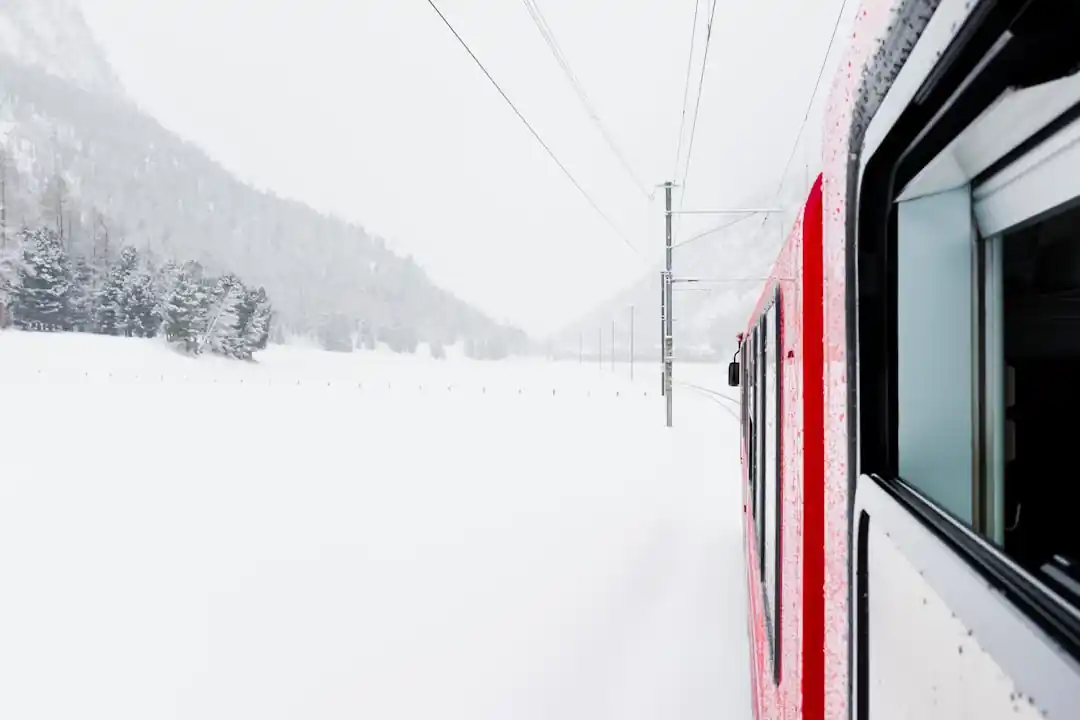
Why Winter is the Most Magical Time for a Scenic Train Trip
Related Posts
 TRANSPORT
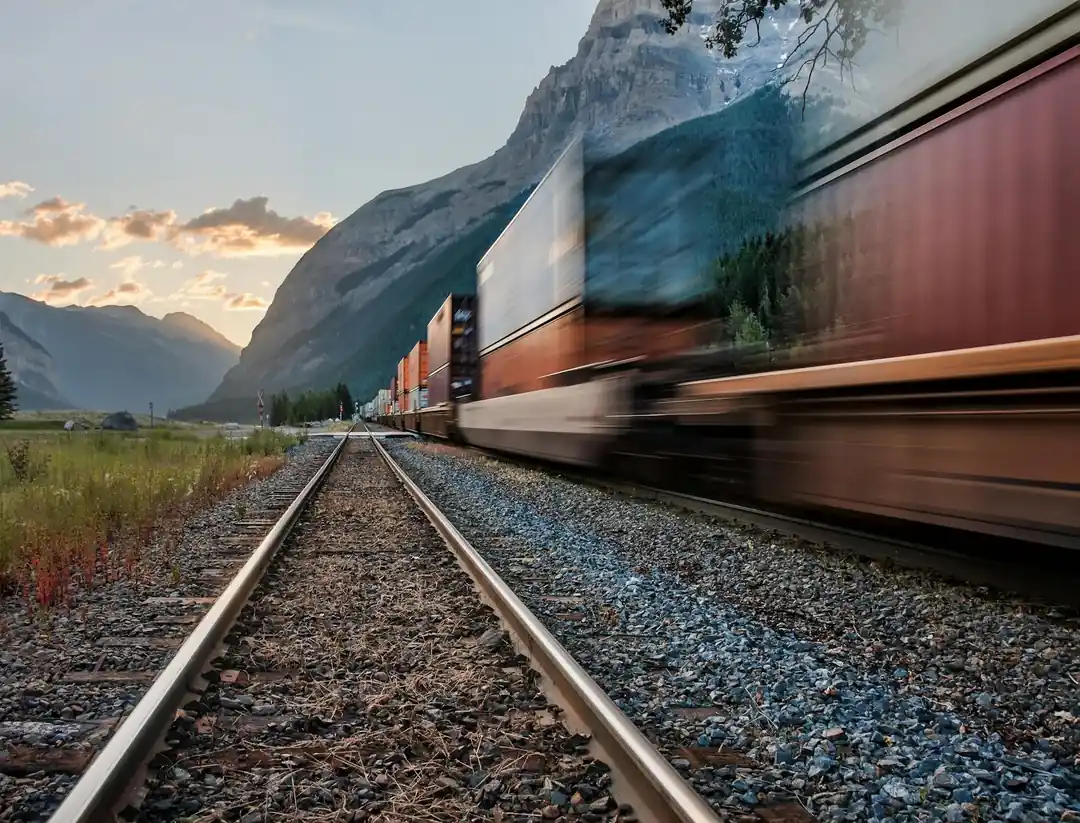
Beyond the Highway: Finding Canada's Soul on a Western Rail Adventure
Forget road trips. I'm talking about rediscovering the romance of travel on Via Rail's most scenic routes through the heart of the Canadian West. It’s an experience that changes you.
 TRAVEL TIPS
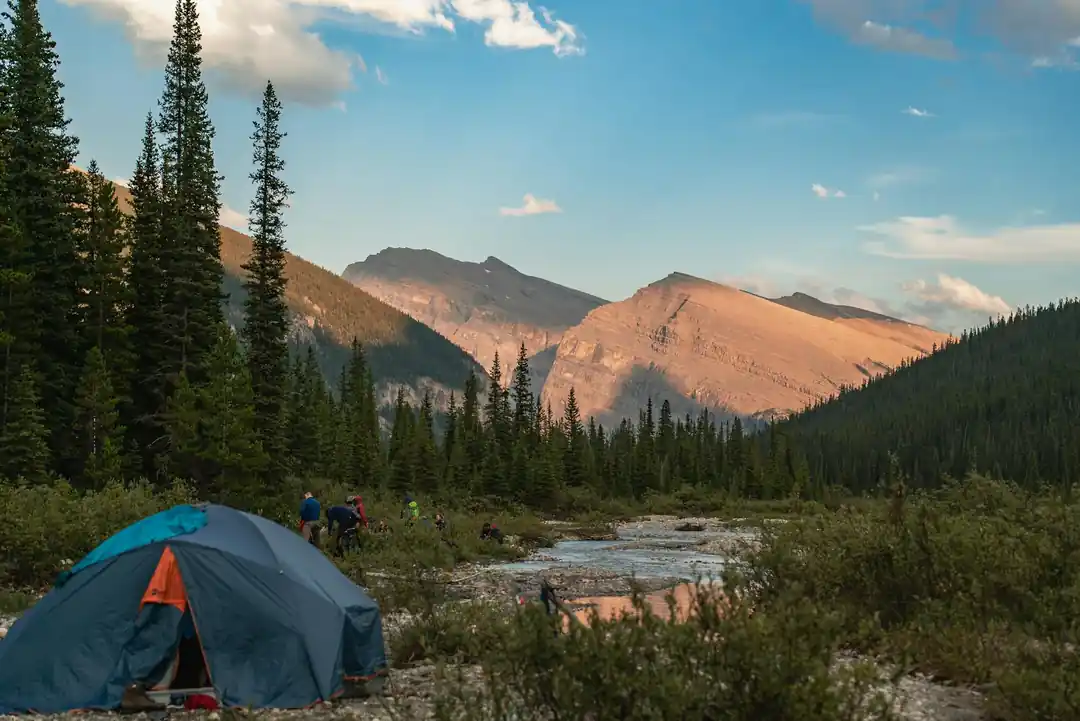
The Unwritten Rules of the North: What to Know Before Camping in Canada
Heading to the Great White North for a camping trip? It's an amazing idea. But from campfire etiquette to wildlife wisdom, here’s what you need to know before you go.

Popular Posts

Rethinking Non-Profit Promotion: Creative Strategies That Actually Drive Event Impact

Beyond Stark White: The Best Interior Paint Colors to Light Up Your New Space

How to Actually Master a New Language on Your Own (No Magic Gene Required)
