What to Wear in Israel: A Packing Guide for Every Season
Figuring out what to pack for a trip to Israel can feel like a puzzle. Here’s a season-by-season guide to dressing comfortably and respectfully, from Tel Aviv's beaches to Jerusalem's ancient streets.
There’s a unique kind of excitement that comes with planning a trip to Israel. It’s a country that feels both ancient and vibrantly modern, a place where you can wander through millennia of history in the morning and relax by the Mediterranean Sea in the afternoon. But as I started planning my first trip, a familiar travel anxiety crept in: What in the world do I pack? The thought of navigating desert heat, cool Jerusalem evenings, and the dress codes of sacred sites felt a little daunting.
Honestly, I’ve learned that packing for Israel is less about having the perfect wardrobe and more about being thoughtful and versatile. It’s about choosing clothes that let you feel comfortable while you’re hiking to a hidden waterfall, but also respectful when you’re stepping into a centuries-old church or synagogue. You want your focus to be on the incredible experiences, not on whether you’re dressed appropriately.
This guide is the friend-to-friend advice I wish I’d had. It’s a breakdown of what to wear through the seasons, blending practical tips with an understanding of the cultural nuances. It’s about making sure your suitcase is a source of confidence, not stress, so you can dive headfirst into the magic of this unforgettable land.
First, A Few Universal Truths for Any Season
Before we get into the seasonal specifics, let's talk about the year-round essentials. First and foremost, comfortable walking shoes are not a suggestion; they are a commandment. You will walk. A lot. On cobblestones, on dusty paths, up ancient steps. A pair of well-loved sneakers or sturdy walking sandals will be the best decision you make.
The second universal truth is the importance of modest attire for religious sites. While Tel Aviv is a very liberal, fashion-forward city where almost anything goes, places like Jerusalem, Safed, and any holy site (Jewish, Christian, or Muslim) require a more conservative approach. For women, this means covering your shoulders and knees. For men, it means long pants and covered shoulders. The easiest trick in the book? A large, lightweight scarf or pashmina. It can be a fashion accessory one moment and a respectful covering the next. It’s the single most useful item you can bring.
Spring (March - May): The Land in Bloom
If you ask me, spring is one of the most magical times to visit Israel. The weather is just about perfect—pleasantly warm during the day, with temperatures often hovering in the 65-77°F (18-25°C) range. The entire country seems to burst into a carpet of green and wildflowers, especially in the Galilee. It’s the kind of weather that makes you want to be outside from dawn until dusk.
Layering is the name of the game for a spring trip. Days can be warm enough for t-shirts, but you’ll be grateful for a light jacket, cardigan, or a cozy sweatshirt once the sun goes down, especially in hilly areas like Jerusalem or the Golan Heights. I’d recommend packing a mix of short and long-sleeved tops, a pair of comfortable jeans or trousers, and maybe a versatile dress or two.
Don’t get caught off guard by the occasional spring shower, which is more common in March and April. A compact umbrella or a light waterproof jacket is a smart addition that won’t take up much space. With the Easter and Passover holidays often falling in spring, you’ll likely be visiting many religious sites, so having those modest layers ready is key to moving seamlessly from a casual city stroll to a sacred space.
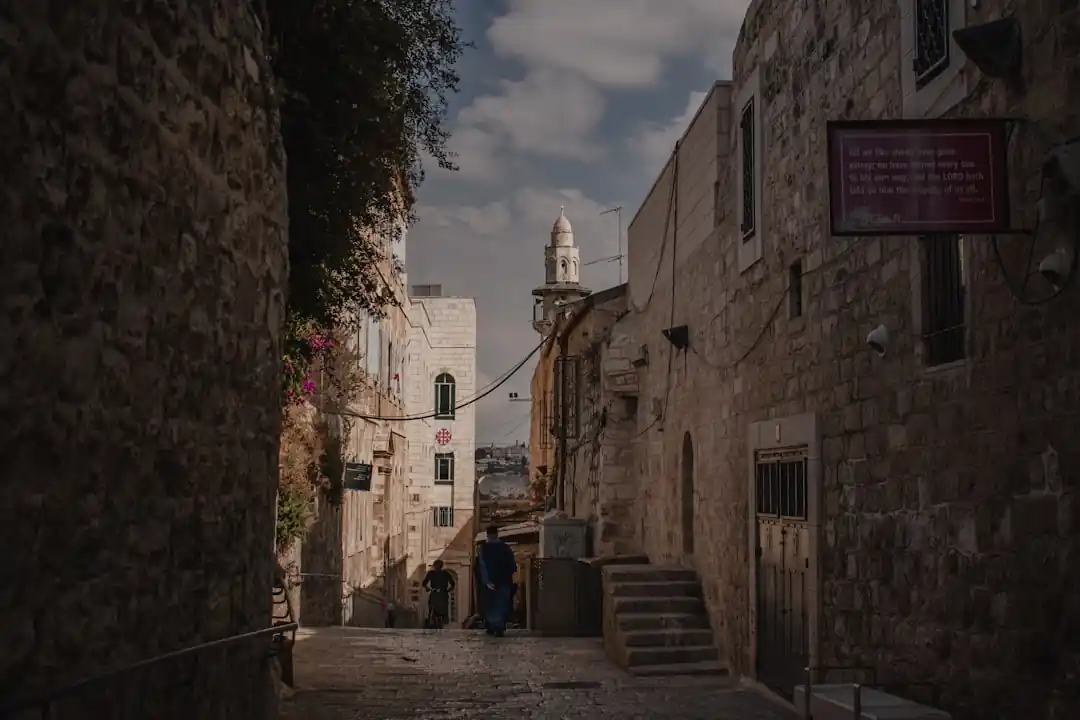
Summer (June - August): Embracing the Sun
Let’s be direct: summer in Israel is hot. In Tel Aviv, the heat is amplified by humidity, while in desert areas like the Dead Sea and Eilat, it’s a dry, intense heat that can easily climb above 90°F (32°C). But don’t let that deter you! It’s the perfect season for enjoying the country’s stunning coastline and vibrant nightlife. The key is to dress smart and stay hydrated.
Your summer suitcase should be filled with the lightest, most breathable fabrics you own. Think linen, cotton, and rayon. Loose-fitting shorts, tank tops, sundresses, and skirts will be your daily uniform in coastal cities. Light colors are also a good idea, as they reflect the sun’s rays. For men, lightweight shorts and t-shirts are perfect for most daytime activities.
Even in the heat, you can’t forget about the modesty requirements. If you plan to visit Jerusalem or any religious sites, you’ll need to cover up. I suggest packing a pair of lightweight linen pants or a maxi skirt that you can easily slip on. A short-sleeved t-shirt is generally fine, but it’s always good to have that trusty scarf ready to cover your shoulders. And don’t underestimate the power of air conditioning—a light cardigan or long-sleeved shirt is often welcome indoors.
Autumn (September - November): Golden Days and Cooler Nights
Autumn is another contender for the best time to visit. The intense heat of summer fades into long, golden days with pleasantly warm temperatures. It’s still warm enough to swim in the sea through September and even into October, but the evenings start to bring a refreshing crispness to the air. The crowds also begin to thin out, making it a wonderful time to explore.
Your packing strategy for autumn will look a lot like spring’s, with a focus on layers. You’ll be comfortable in t-shirts and light pants or capris during the day, but you’ll definitely want a sweater or a medium-weight jacket for the evenings. The temperature difference between day and night becomes more pronounced, so having that extra layer on hand is crucial.
This is a great season for hiking and exploring the country’s natural beauty, so make sure your footwear is up to the task. While the weather is generally dry, a few rainy days can pop up, especially as you get closer to November. It’s a season of transition, and packing for it means being ready for both the lingering warmth of summer and the first hints of winter.
Winter (December - February): Cool, Green, and Cozy
Winter in Israel often surprises people. It’s not the snowy wonderland of other regions, but it can be genuinely cold and rainy, particularly in Jerusalem and the northern parts of the country. Temperatures can dip into the 40s and 50s F (around 10°C), and you should expect rain. The upside? The landscape, refreshed by the winter rains, becomes incredibly lush and green.
If you’re traveling in winter, you need to pack for cool, damp weather. This means warm layers, a real coat (preferably waterproof), sweaters, and long pants. I’d even recommend bringing a warm hat, gloves, and a scarf, especially for chilly nights in Jerusalem. Waterproof shoes are also a very good idea, as walking around with wet feet is a surefire way to ruin a day of sightseeing.
However, there’s a sunny side to winter travel. The southern desert city of Eilat and the Dead Sea area remain pleasantly mild and sunny, offering a wonderful escape from the colder parts of the country. If your itinerary includes these southern spots, you’ll want to pack a few lighter options as well. Winter travel in Israel is about being prepared for a bit of everything, from cozying up in a cafe on a rainy day to basking in the desert sun.
No matter when you go, packing for Israel is an act of preparing for a journey of incredible diversity. By thinking in layers and respecting the local culture, you set yourself up for a trip that is as comfortable as it is profound. May your travels be rich with discovery.

Riding the Rails: An American's Guide to Train Travel in Israel
Beyond the Postcard: A Guide to Israeli Culture and Customs
Related Posts
 TRANSPORT
Beyond the Highway: Finding Canada's Soul on a Western Rail Adventure
Forget road trips. I'm talking about rediscovering the romance of travel on Via Rail's most scenic routes through the heart of the Canadian West. It’s an experience that changes you.
 TRAVEL TIPS
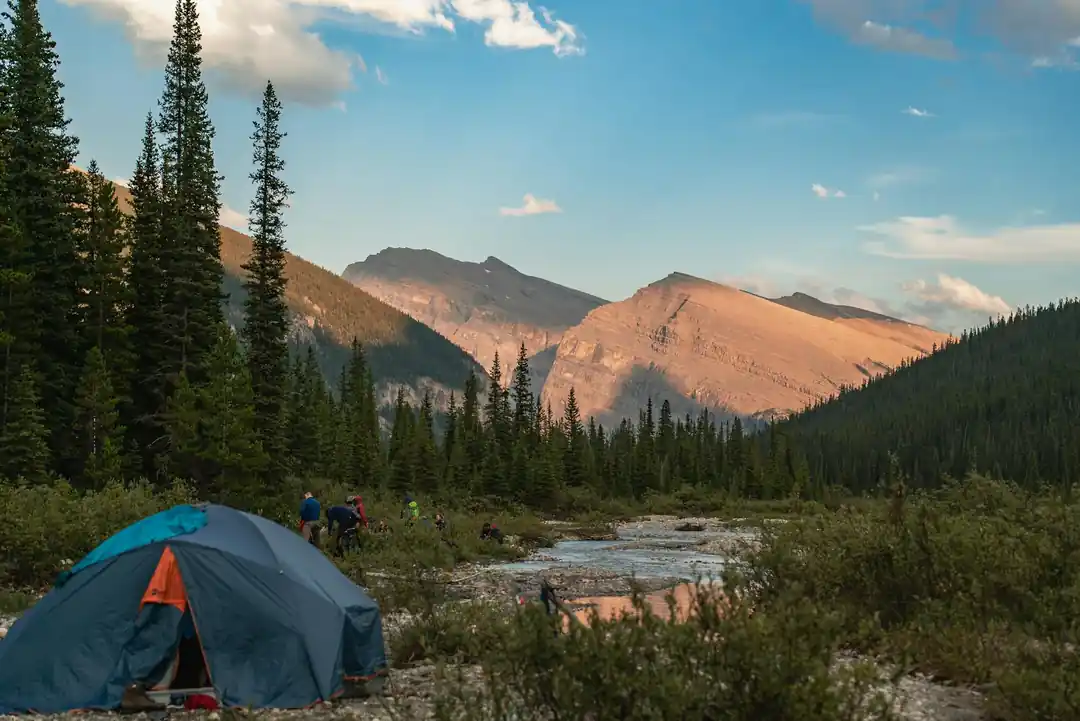
The Unwritten Rules of the North: What to Know Before Camping in Canada
Heading to the Great White North for a camping trip? It's an amazing idea. But from campfire etiquette to wildlife wisdom, here’s what you need to know before you go.

Popular Posts

Rethinking Non-Profit Promotion: Creative Strategies That Actually Drive Event Impact

Beyond Stark White: The Best Interior Paint Colors to Light Up Your New Space

How to Actually Master a New Language on Your Own (No Magic Gene Required)
