That Solo Trip to Northern Italy? Here’s How to Actually Budget For It.
Dreaming of wandering the canals of Venice or the mountains of the Dolomites alone? It’s more possible than you think. Here’s a realistic guide to budgeting for a solo trip through Northern Italy without breaking the bank.
Let's be honest for a second. How many times have you found yourself scrolling through pictures of Italy, sighing, and thinking, "Maybe one day"? For me, it was a constant daydream. The idea of a solo trip through the north—exploring the dramatic peaks of the Dolomites, getting lost in the ancient streets of Bologna, and maybe even having a cliché-but-perfect moment in a Venetian gondola—felt like the ultimate travel goal. But then, the practical side of my brain would always kick in, whispering about the cost.
Traveling solo is an incredibly liberating experience, but it comes with its own financial hurdles. There’s no one to split the hotel room with, no one to share a taxi with from the airport. It’s all on you. For a long time, that reality made a trip to a place as iconic as Northern Italy feel like a distant, expensive dream. I’m here to tell you it’s not.
I’ve learned that budgeting for a solo trip isn’t about restriction; it’s about strategy. It’s about knowing where to save and when to splurge. It’s about choosing experiences over extravagance and realizing that the most memorable moments often cost very little. With a bit of planning and a few insider tricks, you can absolutely have that incredible Northern Italian adventure on a budget that feels comfortable for you.
The Big Three: Your Core Budget Categories
When you start mapping out your budget, it’s easy to get overwhelmed. The best way to tackle it is by breaking it down into the three biggest expenses: accommodation, transportation, and food. Getting a handle on these will give you a realistic framework for your entire trip.
1. A Place to Rest Your Head
Accommodation will likely be your single biggest expense, especially as a solo traveler. That "solo tax" is real—a room for one often costs almost as much as a room for two. But don't get discouraged. This is where you can get creative. Hostels are a fantastic option, and they’re not just for 20-year-old backpackers anymore. Many modern hostels in cities like Milan and Bologna offer clean, safe, and stylish private rooms, or at the very least, female-only dorms that give you a bit more peace of mind. A dorm bed can run you anywhere from €30-€60, while a private hostel room might be closer to €80-€120.
If hostels aren't your thing, look into agriturismi (farm stays) just outside the main cities, or consider staying in a slightly smaller, less-touristy town. For example, instead of staying right in Venice, you could base yourself in nearby Padua, a beautiful university city with excellent train connections. You’ll get a more authentic feel for the region, and your wallet will thank you. Booking a few months in advance, especially during the shoulder seasons (April-May and September-October), can also save you a significant amount.
2. Weaving Through the North
Northern Italy’s public transportation network is a solo traveler’s best friend. It’s efficient, extensive, and can be very affordable if you play your cards right. High-speed trains (like the Frecciarossa) are perfect for covering long distances between major cities like Milan, Bologna, and Venice. The key here is to book your tickets on sites like Trenitalia or Italo at least a month or two in advance. Prices can be significantly lower when you book ahead, turning a €70 journey into a €25 one.
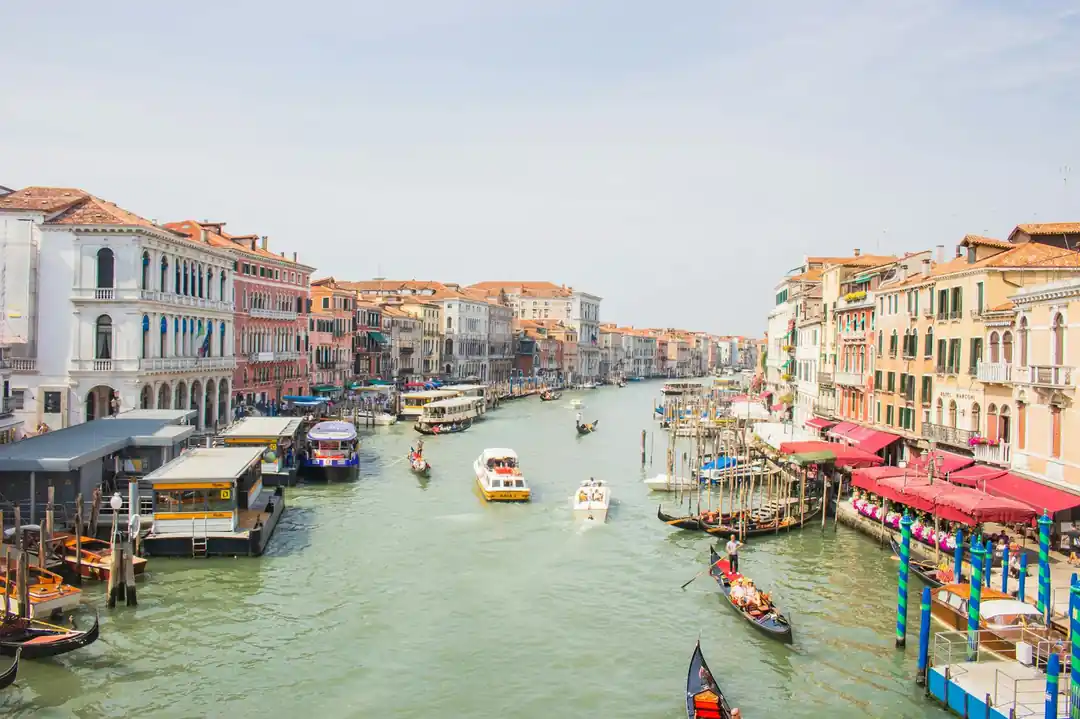
For shorter trips and exploring smaller towns, the regional trains (regionale) are your go-to. They’re much cheaper, and you don’t need to book them in advance. This gives you the flexibility to take spontaneous day trips. Once you’re in a city, walking is always the best and cheapest way to explore. You’ll stumble upon hidden alleys and charming piazzas you’d never see from a bus. In Venice, while the vaporetto (water bus) is essential, consider buying a multi-day pass if you plan on hopping between islands, as single tickets can add up quickly.
3. Feasting Without the Financial Heartburn
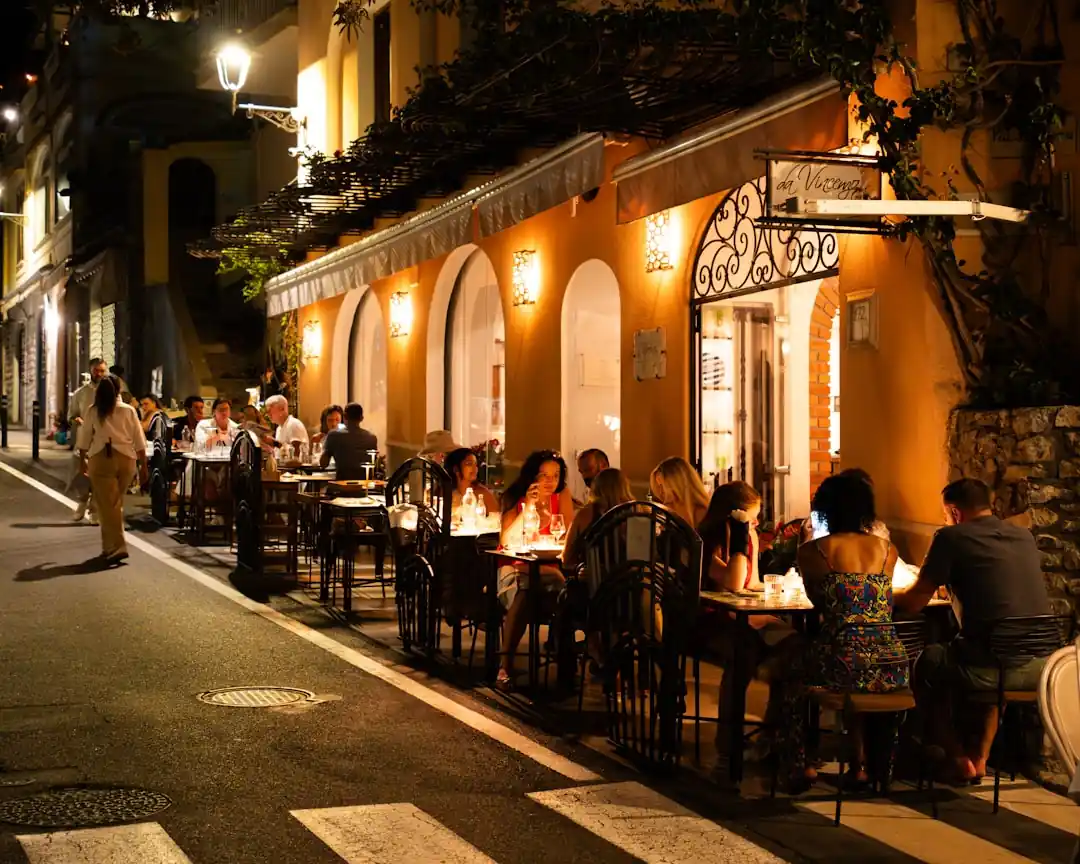
You cannot go to Italy and not indulge in the food. It’s non-negotiable. The great news is that eating incredibly well doesn’t have to be expensive. The number one rule is to avoid the tourist traps with picture menus in the main squares. Your best meals will come from small, family-run trattorias on quiet side streets. Look for places offering a pranzo di lavoro (worker's lunch) or a menu del giorno (menu of the day), where you can often get two courses and a glass of wine for a set price, usually around €15-€20.
Embrace the local customs. Start your day like an Italian with a cappuccino and a cornetto (croissant) standing at a café bar for just a few euros. For a cheap and delicious lunch, grab a slice of pizza al taglio (pizza by the slice) or a freshly made sandwich from a local market. And my personal favorite budget-friendly dinner? The aperitivo. From about 6 to 8 PM, bars all over Northern Italy offer a drink (like the classic Aperol Spritz) that comes with a generous spread of complimentary snacks—sometimes enough for a light dinner. It’s a cultural institution and a brilliant way to save money.
Putting It All Together: Sample Daily Budgets
To give you a clearer picture, here are a few potential daily budgets. Remember, these are just averages. Some days you’ll spend more, some days less.
- The Savvy Backpacker: €60-€80 per day. This means staying in hostel dorms, preparing some of your own meals from the market, focusing on free activities like hiking and exploring cities on foot, and using regional trains.
- The Comfort-Seeker on a Budget: €100-€150 per day. This allows for private rooms in budget hotels or B&Bs, a mix of market lunches and sit-down dinners at local trattorias, and includes the cost of a museum or two.
- The "Treat Yourself" Explorer: €180+ per day. This budget gives you more flexibility for nicer hotels, a few splurges on guided tours or cooking classes, and enjoying multi-course dinners with good wine without worrying too much.
Don't Forget the Little Things
Beyond the big three, remember to factor in a few other costs. Entrance fees for museums and attractions can range from €15 to €25. That gondola ride in Venice? It’s a splurge, but if it’s on your bucket list, budget around €80 for the experience. Always have a little extra set aside for gelato (a daily necessity), city taxes (usually a few euros per night, paid at your hotel), and maybe a small souvenir.
Ultimately, your budget is a personal thing. It’s a tool to empower you, not to restrict you. It’s what allows you to say "yes" to that spontaneous train trip to Lake Como or that extra scoop of pistachio gelato. Northern Italy is a region of immense beauty, history, and flavor, and it’s a place that welcomes the solo traveler with open arms. Plan well, be smart with your choices, and then let go and allow the magic of the journey to unfold. You’ve got this.
Don't Be That Tourist: The Real Rules of Dining in Italy
Beyond the Sauce: Why Bologna is Italy's True Historical Hidden Gem
Related Posts
 TRANSPORT
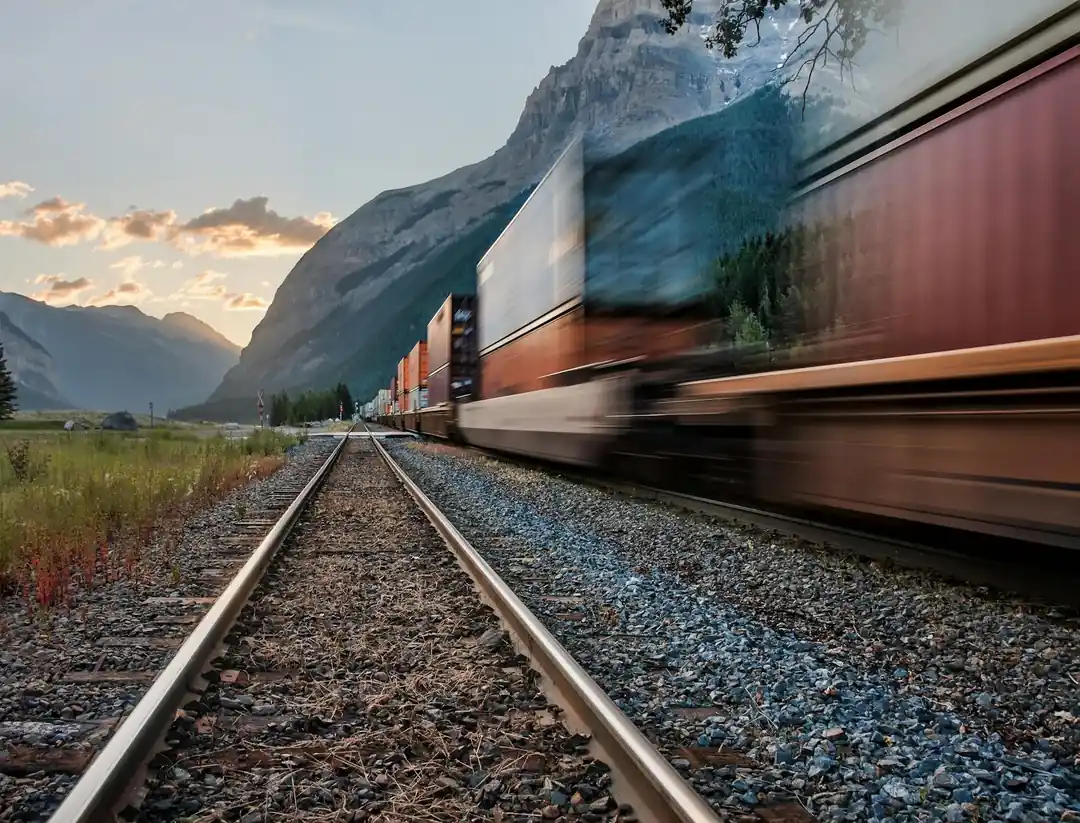
Beyond the Highway: Finding Canada's Soul on a Western Rail Adventure
Forget road trips. I'm talking about rediscovering the romance of travel on Via Rail's most scenic routes through the heart of the Canadian West. It’s an experience that changes you.
 TRAVEL TIPS
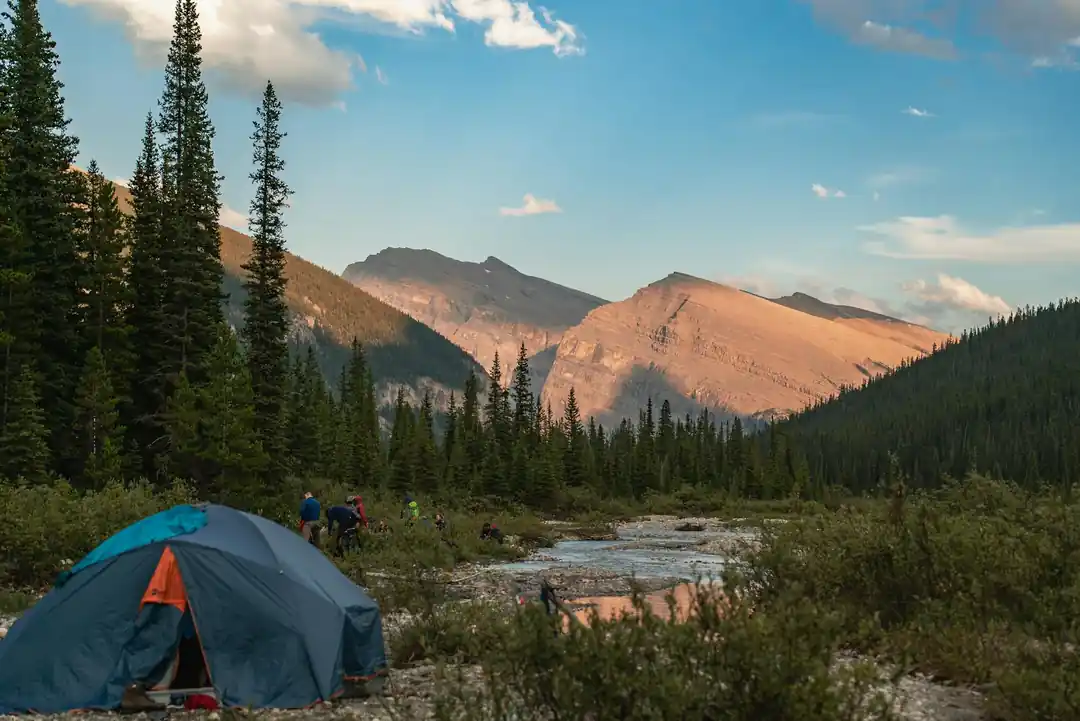
The Unwritten Rules of the North: What to Know Before Camping in Canada
Heading to the Great White North for a camping trip? It's an amazing idea. But from campfire etiquette to wildlife wisdom, here’s what you need to know before you go.
Popular Posts

Rethinking Non-Profit Promotion: Creative Strategies That Actually Drive Event Impact

Beyond Stark White: The Best Interior Paint Colors to Light Up Your New Space

How to Actually Master a New Language on Your Own (No Magic Gene Required)
