A Wanderer's Guide to the Soul of Provence: Exploring its Most Enchanting Small Towns
Forget the bustling cities for a moment. Let's get lost on purpose in the cobblestone streets and sun-drenched squares of Provence's most beautiful and authentic small villages.
There’s a certain kind of magic that lives in the South of France, a feeling that can’t quite be captured in a photograph, though millions have tried. I used to think I understood it from the pictures—the impossible purple of the lavender fields, the impossibly blue sky. But honestly, you don’t just see Provence; you feel it. It’s the warmth of the sun on ancient stone, the distant chime of a church bell, the scent of rosemary and thyme carried on the breeze. It’s a place that gently coaxes you to slow down, to breathe deeper, and to simply be present.
For years, my idea of a French vacation was centered around the magnetic energy of Paris. The museums, the cafes, the sheer scale of it all. But a few years ago, a friend convinced me to trade city maps for country roads, and I discovered the true heart of France beating in the quiet, resilient, and utterly captivating small towns of Provence. It’s a different world, one where the rhythm of life is dictated by the sun and the seasons, not by subway schedules. It’s a world I’ve been drawn back to ever since.
This isn’t a checklist or a race from one tourist spot to the next. Think of this as a friendly conversation, a sharing of secrets about the places that have captured my heart. These are the villages where you can still find an old man tending his garden, where the local market is the highlight of the week, and where getting lost in a tangle of cobblestone streets is the best part of the day. So pour yourself a glass of rosé, and let’s wander through the soul of Provence together.
The Hilltop Havens: Gordes and Roussillon
When you picture a Provençal village, you’re likely imagining a "village perché," or perched village, clinging dramatically to a hillside. The Luberon region is the heartland of these stunning settlements, and for good reason. They were built for defense, with panoramic views that could spot intruders from miles away. Today, those same views offer breathtaking vistas of the valley below, a patchwork of vineyards, orchards, and fields.
Gordes is, without a doubt, the undisputed king of the Luberon villages. It’s almost impossibly beautiful, a cascade of stone houses and terracotta roofs tumbling down from its Renaissance château. I’ll never forget my first glimpse of it from the viewpoint on the road just before the town—it literally took my breath away. Yes, it’s popular, and in the summer months, the streets can be crowded. But here’s a little tip: go early in the morning before the tour buses arrive, or linger into the evening when the day-trippers have departed. The golden hour light on the stone is something you will carry with you forever.
Just a short, scenic drive from Gordes is Roussillon, a village that offers a completely different, yet equally stunning, visual experience. What makes Roussillon so unique are the rich, earthy tones of its buildings and the surrounding landscape. The village is situated in the heart of one of the world's largest ochre deposits, and the buildings are all washed in vibrant shades of orange, red, and pink. It feels like walking through a painting. The "Sentier des Ocres" (Ochre Trail) is a must-do. It’s an easy walk that takes you through the former quarries, immersing you in a landscape of fiery color. Just a word of advice: don't wear your favorite white sneakers. The ochre dust is beautiful, but it gets everywhere!
Beyond the Postcards: Finding Your Own Provence
While Gordes and Roussillon are essential stops, the true joy of exploring Provence is discovering the less-famous gems that lie just off the beaten path. These are the places where you can experience a more intimate, everyday version of Provençal life. It’s in these quieter corners that I’ve had some of my most memorable moments—sharing a conversation with a local artist, discovering a hidden courtyard, or simply enjoying a perfect slice of melon from a roadside stand.
One of my personal favorites is Lourmarin. Officially one of the "Most Beautiful Villages of France," it has a slightly more relaxed, bohemian feel than some of the hilltop towns. Its streets are filled with fountains, art galleries, and inviting café terraces. Albert Camus, the famous writer, lived and is buried here, and you can feel a certain creative spirit in the air. The Friday morning market is an absolute delight, a bustling, colorful affair where you can find everything from local produce and cheeses to handmade soaps and linens.
Another village that holds a special place in my heart is Moustiers-Sainte-Marie. Tucked into a cleft in the limestone cliffs near the spectacular Gorges du Verdon, it’s a village straight out of a fairy tale. A stream runs through its center, and a gold-painted star hangs on a chain high above the town, suspended between two cliffs. Legend has it a knight vowed to hang it there if he returned from the Crusades. Moustiers is also famous for its delicate, hand-painted ceramics (faïence), and you can spend hours browsing the workshops and boutiques.
Tips for the American Traveler
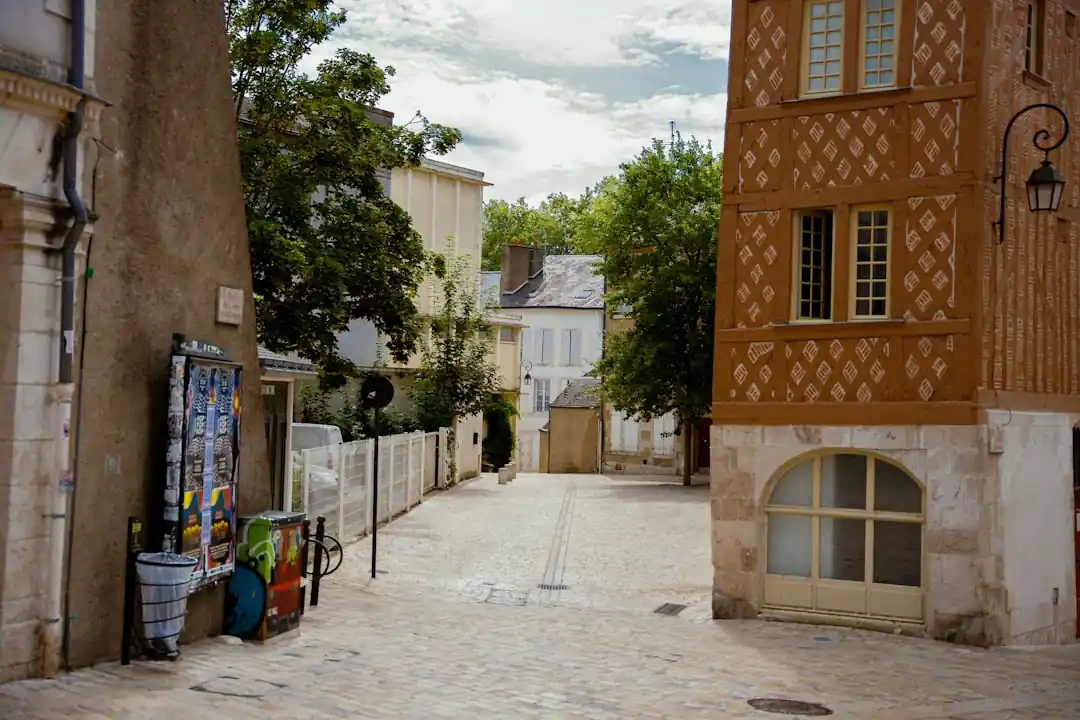
Traveling in Provence is generally a breeze, but a few tips can make your trip even smoother, especially when coming from the US. First, rent a car. While some towns are accessible by bus, the real freedom of Provence is in the ability to explore the winding country roads and pull over whenever a beautiful view strikes. Just be prepared for narrow streets in the ancient villages—a smaller rental car is definitely your friend here!
The best times to visit are in the spring (May and June) and fall (September and October). The weather is pleasant, the crowds are smaller than in the peak summer months of July and August, and you’ll get to see the countryside in full bloom or in the midst of the grape harvest. If you dream of seeing the lavender, aim for late June to mid-July, but be prepared for more people and higher temperatures.
Finally, embrace the rhythm of local life. Many shops close for a few hours in the middle of the day for lunch, so plan your shopping and errands accordingly. Don’t rush your meals; they are an experience to be savored. Learn a few basic French phrases—a simple "Bonjour" (hello) and "Merci" (thank you) go a long way in showing respect and opening doors to friendly interactions. Most importantly, allow for spontaneity. Some of the best discoveries are the ones you never planned.
The beauty of Provence is that it stays with you. It’s a place that reminds you of the simple, profound joys of life—a good meal, a beautiful view, a moment of quiet connection. It’s a journey for the senses and the soul. I hope you find as much joy in its sun-drenched lanes and welcoming villages as I have. Happy wandering.
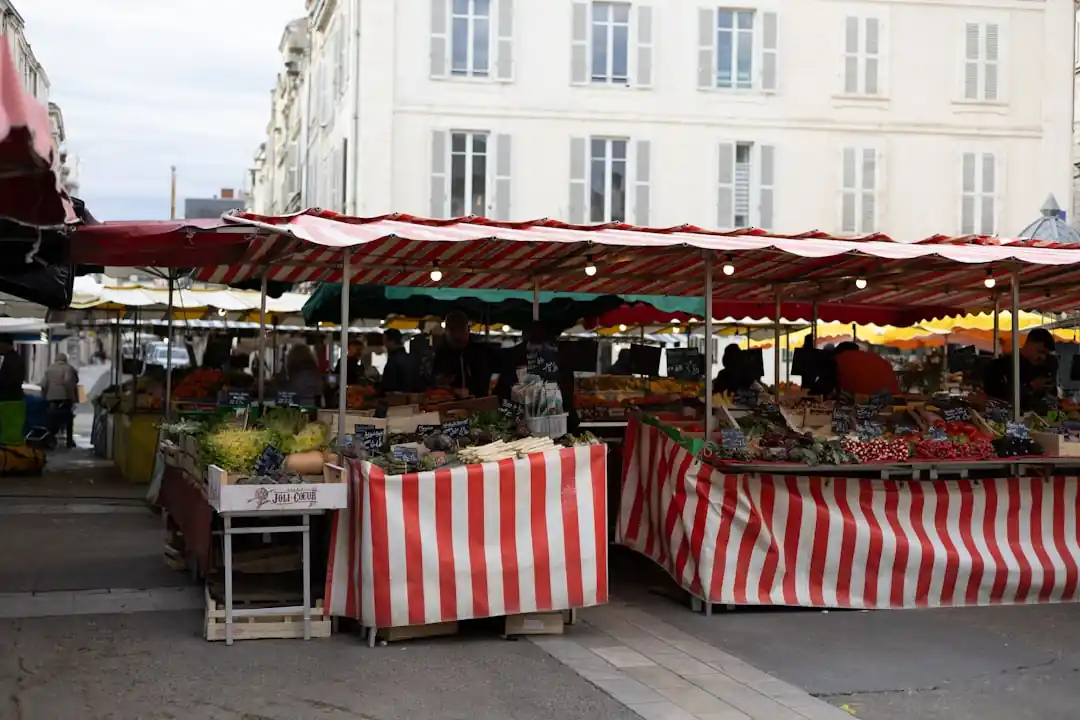
A Beginner's Guide to Shopping at a French Farmers' Market
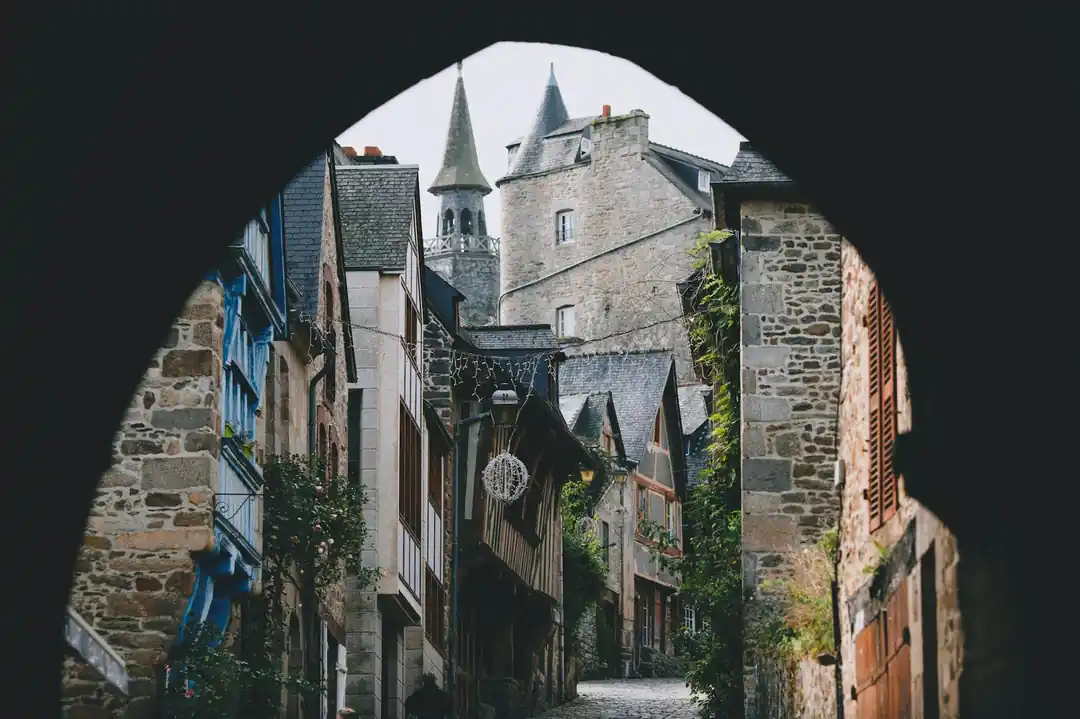
Stepping Through Time: The Enduring Historical Charm of Brignoles, France
Related Posts
 TRANSPORT
Beyond the Highway: Finding Canada's Soul on a Western Rail Adventure
Forget road trips. I'm talking about rediscovering the romance of travel on Via Rail's most scenic routes through the heart of the Canadian West. It’s an experience that changes you.
 TRAVEL TIPS
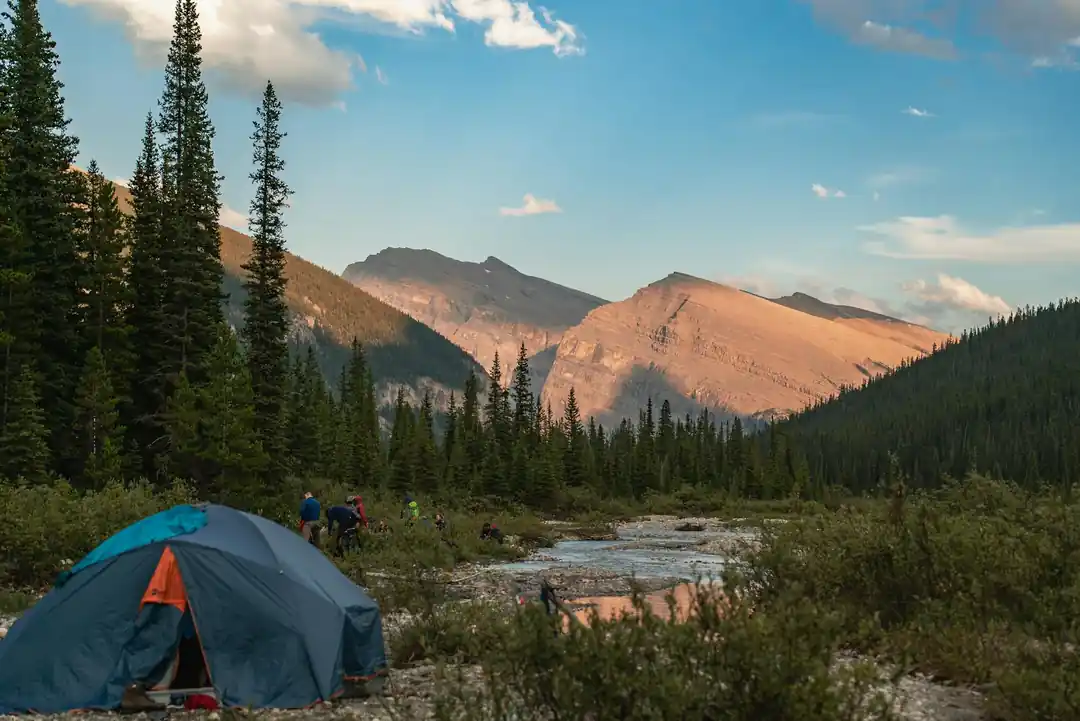
The Unwritten Rules of the North: What to Know Before Camping in Canada
Heading to the Great White North for a camping trip? It's an amazing idea. But from campfire etiquette to wildlife wisdom, here’s what you need to know before you go.

Popular Posts

Rethinking Non-Profit Promotion: Creative Strategies That Actually Drive Event Impact

Beyond Stark White: The Best Interior Paint Colors to Light Up Your New Space

How to Actually Master a New Language on Your Own (No Magic Gene Required)
