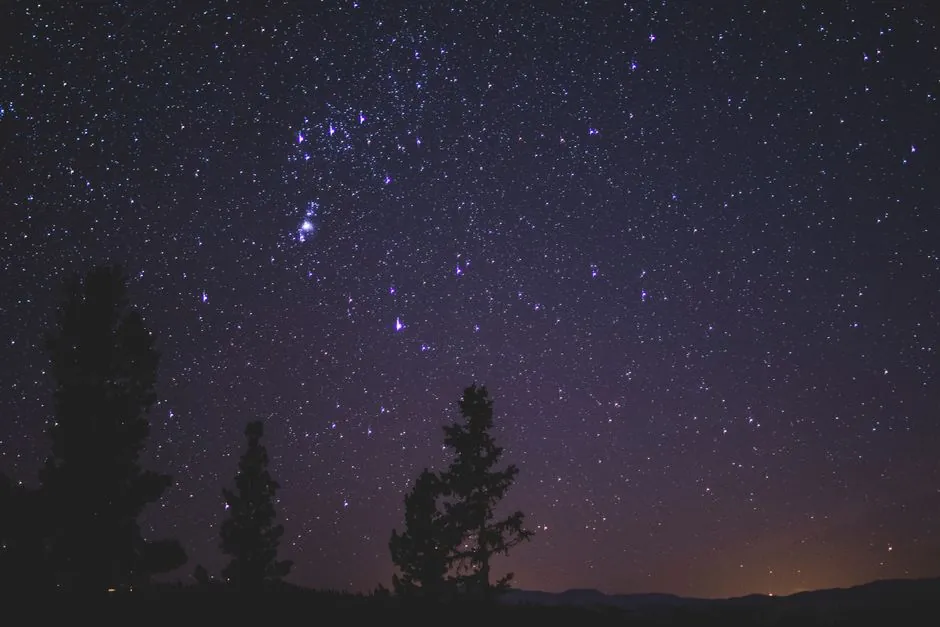
Desert Dreams: How to Plan an Unforgettable Arizona National Parks Road Trip
Thinking about hitting the open road? Let's talk about how to plan a soul-stirring road trip through Arizona's most iconic national parks, from the Grand Canyon to Saguaro's cactus forests.
There’s something about the American Southwest that just calls to you, isn't there? It’s a feeling I get every time I think about it—a pull towards the vast, silent landscapes, the fiery red rocks, and the kind of starry nights that make you feel deeply connected to the universe. For years, I dreamed of a proper Arizona road trip, the kind where the journey itself is the destination. It’s more than just seeing the sights; it’s about the wind in your hair, the perfect playlist on the radio, and the profound sense of awe that washes over you as you navigate through landscapes millions of years in the making.
Planning it, however, felt like a monumental task. Arizona is home to three stunning national parks and a treasure trove of other wonders, each deserving of its own moment in the spotlight. How do you possibly string them all together into one coherent, soul-stirring adventure without feeling rushed? I spent countless hours poring over maps and blogs, and honestly, the planning became part of the fun. It was about crafting a narrative, a story I would get to live out on the open road.
If you're feeling that same pull, that same desire to witness the grandeur of the Grand Canyon, the ancient secrets of the Petrified Forest, and the iconic silhouettes of Saguaro cacti, then you're in the right place. Let’s walk through how to turn that desert dream into a reality, creating a trip that’s less about a checklist and more about meaningful moments.
When to Go: Timing Your Desert Adventure
First things first, let's talk timing. The when of your trip is almost as important as the where, especially in a state of such dramatic extremes as Arizona. I’ve learned (sometimes the hard way) that timing can make or break a desert adventure. The consensus from seasoned travelers and park rangers is pretty clear: the shoulder seasons are your golden ticket. Spring (March-May) and Fall (September-November) offer the most pleasant, Goldilocks-just-right temperatures for exploring. The days are warm enough for hiking without being oppressive, and the nights are cool and crisp, perfect for stargazing.
In the spring, the desert comes alive with a surprising burst of color. Cacti and wildflowers bloom, painting the arid landscapes in vibrant hues. It’s a magical time, but it’s also a popular one, so expect to share the trails. Autumn, my personal favorite, brings a different kind of beauty. The crowds start to thin, the air has a certain clarity to it, and the golden light of late afternoon makes the red rocks absolutely glow. It feels like the desert is taking a deep, peaceful breath before winter.
What about summer? While it’s peak vacation season, be prepared for some serious heat, especially in the southern parts of the state and within the Grand Canyon. Temperatures in places like Phoenix and Tucson regularly soar past 100°F (38°C). If summer is your only option, plan to do your exploring in the very early morning or late evening, and make hydration your absolute top priority. Winter, on the other hand, offers a unique and serene experience. The North Rim of the Grand Canyon closes, but the South Rim remains open, often dusted with a beautiful layer of snow that creates a stunning contrast with the red canyon walls. It’s a quieter, more contemplative time to visit, but you’ll need to pack for cold weather.
The Ultimate Route: A 7-Day Arizona Itinerary
Okay, let's get to the heart of it—the route. A week is a fantastic amount of time to get a real taste of what Arizona has to offer without spending your entire vacation in the car. This itinerary is a classic for a reason; it hits the big highlights while leaving a little room for spontaneous discovery. Most people start in either Phoenix or Las Vegas, as both have major airports with rental car options.
For this plan, let's start in Phoenix. Day one is for arriving, picking up your rental, and maybe exploring a bit of the city before heading north. Your first major destination is the Grand Canyon. I’d suggest spending at least two nights here to give yourself a full day to explore. From the Grand Canyon, you’ll head east towards Page, Arizona, a small town that serves as the gateway to two of the most photographed spots in the Southwest: Antelope Canyon and Horseshoe Bend. You'll definitely want a night here.
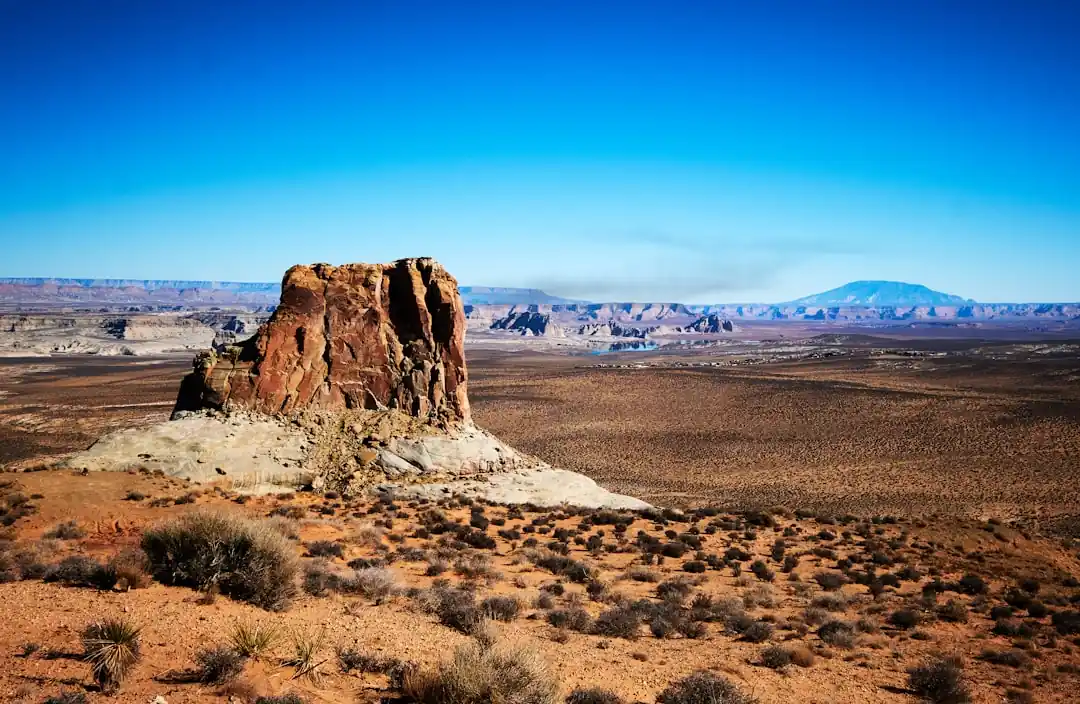
From Page, the journey takes you to one of the most iconic landscapes of the American West: Monument Valley. While technically not a national park (it's a Navajo Tribal Park), it's an unmissable stop. The towering buttes and mesas feel like you've driven straight into a classic Western film. After a night near Monument Valley, you can start making your way south. A stop at Petrified Forest National Park is a fascinating detour, showcasing a completely different kind of desert beauty. Finally, you'll end your loop in the Tucson area to explore Saguaro National Park before heading back to Phoenix.
Iconic Stops: From Canyons to Cacti
No matter how many pictures you’ve seen, nothing prepares you for the sheer scale of the Grand Canyon. Standing on the South Rim, looking out at the endless layers of rock carved by the Colorado River, is a truly humbling experience. I recommend spending your time here walking a portion of the Rim Trail, which offers stunning, ever-changing views without a strenuous hike. For sunrise or sunset, Mather Point and Yavapai Point are popular for a reason, but almost any spot along the rim will provide a breathtaking show.
After the grandeur of the canyon, the quiet, otherworldly beauty of Petrified Forest National Park is a welcome change of pace. It’s a place that feels ancient and artistic. The main park road takes you past stunning viewpoints of the Painted Desert's pastel-colored hills. Be sure to walk the short Giant Logs Trail and Crystal Forest Trail to see the fossilized trees up close, glittering with quartz and other minerals. It’s like walking through a natural art gallery.
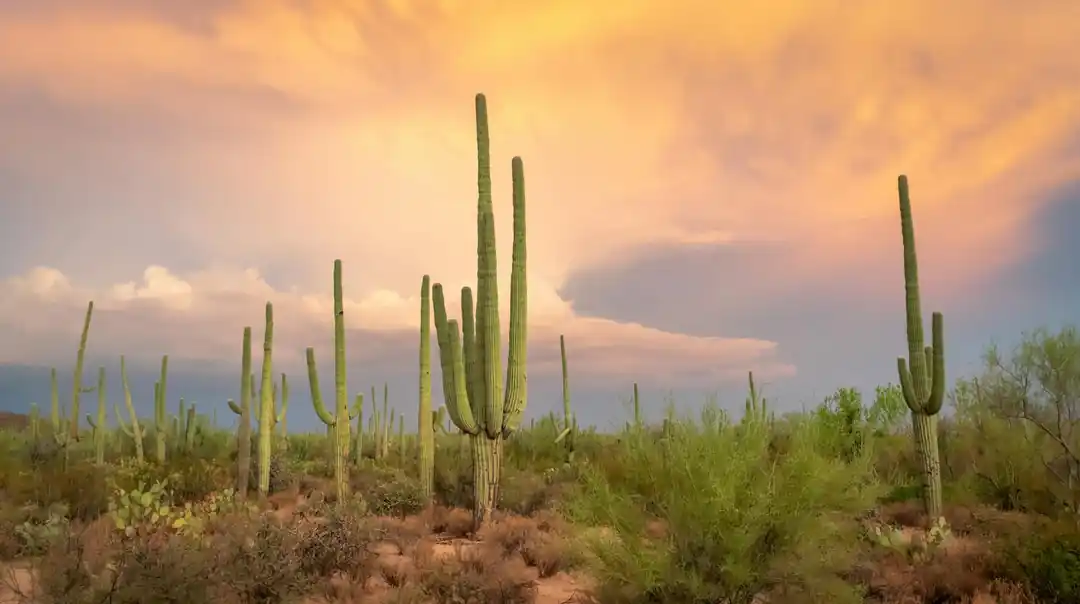
And then there's Saguaro National Park. Divided into two districts on either side of Tucson, this park is a celebration of the Sonoran Desert's most famous resident. The West district is particularly known for its dense forests of saguaro cacti. Driving the Bajada Loop Drive at golden hour, as the setting sun casts long shadows from these gentle giants, is an experience I’ll never forget. It’s the quintessential image of the desert, and it’s every bit as peaceful and powerful as you can imagine.
Pro Tips for a Smooth Journey
A little bit of practical planning can make all the difference on the road. First and foremost, book your accommodations and any must-do tours (like Antelope Canyon) well in advance, especially if you're traveling during peak season. Lodges inside the national parks can fill up a year or more ahead of time. Don't underestimate driving distances; the map can be deceiving, and what looks like a short hop can be a multi-hour drive.
Packing is key. The desert mantra is "layers." A lightweight jacket for cool mornings and evenings is essential, even in the summer. Sun protection is non-negotiable: a wide-brimmed hat, sunglasses, and high-SPF sunscreen are your best friends. But the most important thing to pack? Water. Carry more than you think you'll need, whether it's in a large reusable bottle or a hydration pack. Dehydration is a serious risk, and it can sneak up on you.
Finally, embrace the journey. Some of my favorite memories from my trip were the unplanned stops—a quirky roadside diner on Route 66, a scenic overlook that wasn't on my list, a moment spent just sitting in silence, soaking it all in. This trip is a marathon, not a sprint. Allow yourself the time to breathe, to explore, and to let the profound beauty of Arizona's landscapes leave its mark on you. I promise, it will.

Don't Just Wing It: Your Ultimate Guide to Renting a Car in Arizona
Beyond the Postcards: Unearthing Arizona's True Hidden Gems
Related Posts
 TRANSPORT
Beyond the Highway: Finding Canada's Soul on a Western Rail Adventure
Forget road trips. I'm talking about rediscovering the romance of travel on Via Rail's most scenic routes through the heart of the Canadian West. It’s an experience that changes you.
 TRAVEL TIPS
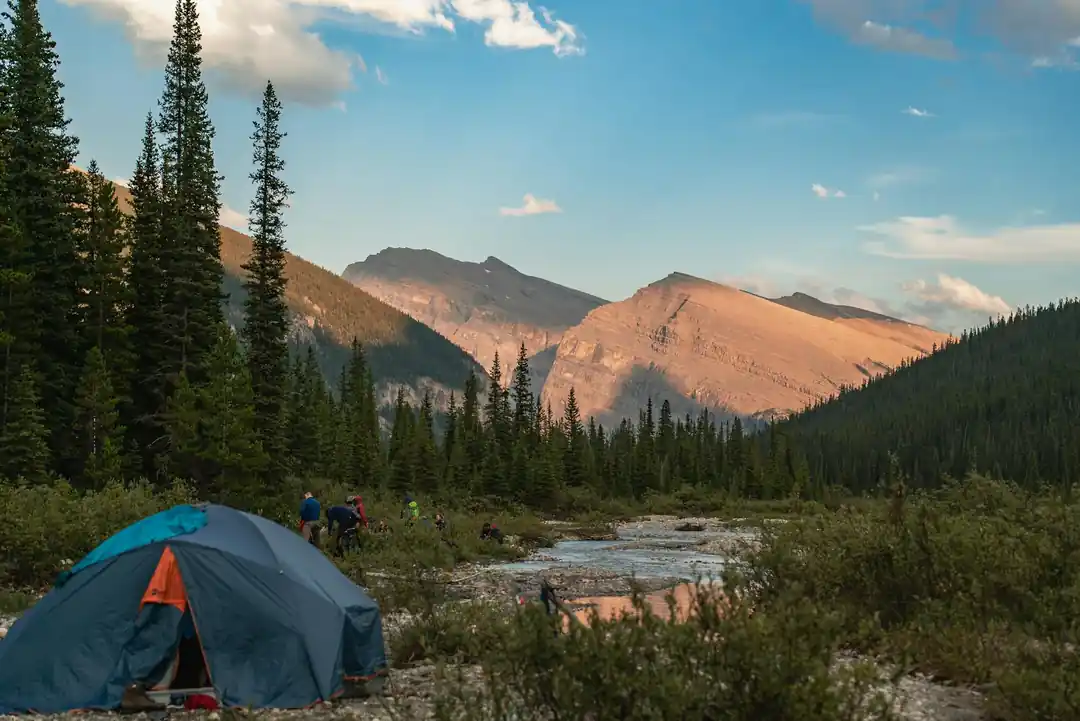
The Unwritten Rules of the North: What to Know Before Camping in Canada
Heading to the Great White North for a camping trip? It's an amazing idea. But from campfire etiquette to wildlife wisdom, here’s what you need to know before you go.

Popular Posts

Rethinking Non-Profit Promotion: Creative Strategies That Actually Drive Event Impact

How to Actually Master a New Language on Your Own (No Magic Gene Required)

The Simple Pre-Workout Fueling Strategy That Saved My Long Runs