Dreaming of exploring the Taj Mahal and ancient forts? Here’s a realistic guide to navigating the heart of Mughal history in India, from transportation to can't-miss sites.
There’s a certain magic to the idea of Mughal India. It conjures images of epic romances, sprawling forts, and architectural wonders that seem to defy time itself. For many of us in the US, a trip to see these sites feels like a monumental undertaking—a world away in every sense. I get it. Before my first trip, the logistics of getting around felt like a bigger puzzle than the history I was so excited to explore. But I quickly discovered that the journey between these historical treasures is an adventure in itself, and far more manageable than you might think.
Honestly, the hardest part is just deciding to go. Once you’re there, you’ll find a country that, while certainly chaotic and vibrant, is incredibly geared towards showing you its best side. The path connecting the great Mughal capitals is well-trodden for a reason. It’s a journey through the heart of Indian history, and whether you do it by car, train, or a mix of both, it’s one of the most rewarding travel experiences you can have. Forget the intimidation factor; this is a trip that is absolutely within your reach.
The key is to embrace the flow. India operates on its own rhythm, and learning to move with it is part of the experience. You’ll find that a little patience and a good plan go a very long way.
The Golden Triangle: Your Mughal Starting Point
When you hear about historical tours in northern India, the term "Golden Triangle" comes up constantly. It’s the classic tourist circuit connecting Delhi, Agra, and Jaipur, and it’s the perfect framework for a first-time Mughal-focused trip. This route is popular because it’s efficient and packs in an unbelievable amount of history and culture. You’re not just seeing random sites; you’re tracing the rise and artistic peak of an empire.
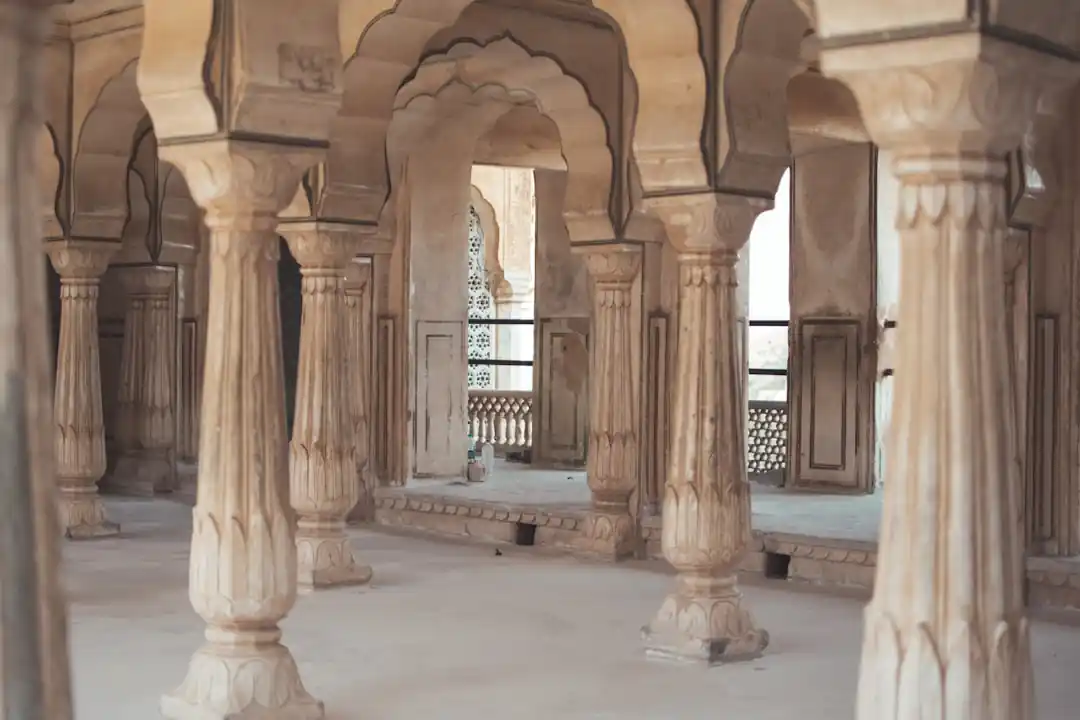
Start in Delhi, the historic seat of Mughal power. It’s a city of contrasts, where ancient ruins sit beside bustling modern life. Here, you can explore Humayun's Tomb, a stunning precursor to the Taj Mahal, with its intricate red sandstone and white marble. Then there’s the colossal Red Fort and the Jama Masjid, one of India's largest mosques, where the sheer scale gives you a sense of the empire's might. Just walking through Old Delhi, you can feel the layers of history under your feet.
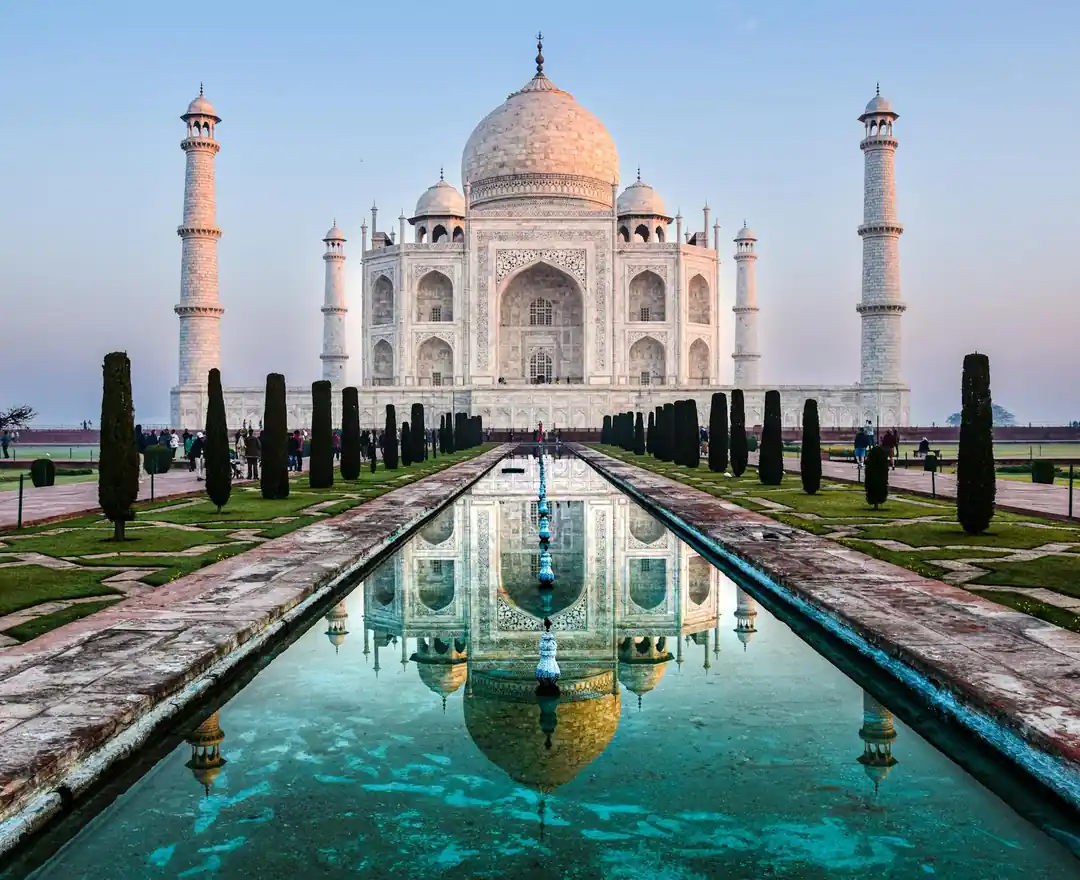
From Delhi, the journey to Agra is a pilgrimage for architecture lovers. Agra, of course, is home to the Taj Mahal. No picture or documentary can truly prepare you for seeing it in person, especially at sunrise. But don’t let the Taj overshadow the city’s other marvel. The Agra Fort is a masterpiece in its own right—a walled city that served as the main residence of emperors. Looking out from its ramparts towards the distant Taj Mahal, you can almost imagine the history that unfolded right there. A little further afield, the abandoned city of Fatehpur Sikri, built by Emperor Akbar, is a ghost town of perfectly preserved palaces and courtyards that is absolutely worth the short drive.
Choosing Your Chariot: Car vs. Train
This is the big question for most travelers from the West: what’s the best way to get between these cities? There are two fantastic options, and the right one really depends on your travel style and budget.
For ultimate comfort and flexibility, hiring a private car and driver is the gold standard. This might sound extravagant, but it’s surprisingly affordable in India and offers a level of convenience that’s hard to beat. Your driver handles the often-hectic roads, you can stop whenever you want for photos or a chai break, and your luggage is always secure. It’s a door-to-door service that eliminates a ton of travel stress. Plus, many drivers are fantastic sources of local knowledge. This is the option I’d recommend for anyone who values ease and is perhaps a little nervous about navigating India for the first time.
On the other hand, traveling by train is an iconic Indian experience. The railway network is the lifeblood of the country, and it’s a fascinating way to see the landscape and meet people. For the Delhi-Agra route, fast trains like the Gatimaan Express are modern, comfortable, and get you there in under two hours. Booking an air-conditioned chair car (AC Chair Car) is the way to go for these shorter daytime trips. It’s clean, comfortable, and a world away from the crowded, unreserved carriages you might see in movies. You absolutely must book tickets in advance, as popular routes sell out quickly. The official IRCTC website is the place to do it, though it can be a bit tricky for foreign users, so be patient or consider using a third-party agent.
Essential Tips for a Seamless Trip
A little preparation can make your journey through Mughal India so much smoother. First, timing is crucial. The best season to visit is during the cooler, drier months from October to March. The weather is pleasant for sightseeing, and you’ll avoid the scorching summer heat and the heavy monsoon rains. Trust me, you do not want to be exploring a sprawling fort in 110-degree heat.
When you get to the sites, especially the big ones, consider hiring a licensed guide. You can usually find them near the ticket counters. They can bring the history to life in a way a guidebook can’t and also help you navigate the sprawling complexes efficiently. Just be sure to agree on the fee before you start the tour. For a more peaceful experience, try to arrive at major monuments like the Taj Mahal right when they open at sunrise. You’ll be rewarded with softer light for photos and far fewer people.
Finally, a word on etiquette. When visiting mosques and tombs, it’s important to dress modestly. This means covering your shoulders and knees, and sometimes your head (scarves are often available to borrow). It’s a simple sign of respect that goes a long way. And most importantly, allow yourself to be amazed. This is a journey that connects you to a powerful and artistic past. Let the grandeur of it all wash over you, and you’ll return home with more than just photos—you’ll have memories of a truly timeless place.
Ditching the Tour Bus: An Insider’s Guide to Delhi and Agra by Public Transport
Chasing Empires: How to Explore Mughal Architecture on a Budget
Related Posts
 TRANSPORT
Beyond the Highway: Finding Canada's Soul on a Western Rail Adventure
Forget road trips. I'm talking about rediscovering the romance of travel on Via Rail's most scenic routes through the heart of the Canadian West. It’s an experience that changes you.
 TRAVEL TIPS
The Unwritten Rules of the North: What to Know Before Camping in Canada
Heading to the Great White North for a camping trip? It's an amazing idea. But from campfire etiquette to wildlife wisdom, here’s what you need to know before you go.

Popular Posts

Rethinking Non-Profit Promotion: Creative Strategies That Actually Drive Event Impact

Beyond Stark White: The Best Interior Paint Colors to Light Up Your New Space

How to Actually Master a New Language on Your Own (No Magic Gene Required)
