The holidays are a magical time, full of joy and togetherness, but for our beloved pets, they can also hide some unexpected dangers. Let's make sure our dogs and cats have a safe and happy festive season.
The holiday season, with its twinkling lights, delicious aromas, and bustling gatherings, truly feels like magic, doesn't it? It's a time for warmth, for family, and for making cherished memories. And for many of us, our dogs and cats are absolutely central to that family picture. We want them right there, curled up by the fire, perhaps even "helping" unwrap presents (or at least supervising the chaos). But here's the thing, as much as we adore including them, the holidays also bring a whole host of hidden hazards that our curious companions might not understand.
I've learned this the hard way over the years, seeing my own pets get into things they shouldn't have, despite my best efforts. It's easy to get caught up in the festive whirlwind, to let our guard down just a little. But that's precisely when accidents can happen. From tempting treats left on low tables to sparkling decorations that look like the ultimate toy, our homes transform into potential minefields for our four-legged friends.
So, before the full swing of celebrations takes over, let's take a moment, grab a warm drink, and chat about how we can proactively protect our beloved pets. My goal here isn't to dampen your holiday spirit, but to empower you with the knowledge to create a truly safe and joyful environment for everyone, paws included. Because honestly, a holiday without a happy, healthy pet just isn't the same.
Feasting Fiascos: Navigating the Holiday Table Safely
The centerpiece of many holiday celebrations is, without a doubt, the food. Platters laden with deliciousness, rich aromas wafting from the kitchen – it's a sensory wonderland for us, and an even more intense one for our pets. Their keen noses can detect every crumb, every dropped morsel, and their pleading eyes are often hard to resist. But as tempting as it is to share, many of our festive favorites are downright dangerous for dogs and cats.
Chocolate, for instance, is a well-known culprit. The darker the chocolate, the more toxic it is due to compounds like theobromine and caffeine, which pets can't metabolize effectively. Even a small amount can lead to serious issues, from an upset stomach to heart problems and seizures. Then there's xylitol, a sugar substitute found in many sugar-free baked goods, candies, and even some peanut butters. This seemingly innocent ingredient can cause a rapid and dangerous drop in blood sugar and even liver failure in pets. It's truly frightening how quickly something meant for human enjoyment can become a life-threatening emergency for them.
Beyond these obvious toxins, rich, fatty foods like turkey skin, gravy, ham drippings, and anything heavily seasoned can trigger pancreatitis, a painful and potentially fatal inflammation of the pancreas. Cooked bones, while seemingly natural, can splinter and cause choking or severe internal injuries, including blockages or punctures in the digestive tract. And let's not forget onions, garlic, leeks, and chives – common in stuffings and roasts – which can damage red blood cells and lead to anemia in both dogs and cats. Even grapes and raisins, often found in fruitcakes or desserts, can cause acute kidney failure in dogs. It's a lot to remember, I know, but keeping these off-limits is crucial.
So, what's a loving pet parent to do? The best approach is to keep all human food, especially holiday dishes, completely out of paw's reach. Secure your trash cans, because a discarded turkey carcass or a plate of leftovers can be an irresistible (and dangerous) treasure trove for a curious dog. If you want to treat your pets, stick to pet-safe options like plain cooked turkey (no skin, no bones, no seasoning), small amounts of plain pumpkin puree, or specially made pet treats. There are so many wonderful, healthy recipes out there for homemade pet treats that let them join in the festive spirit without any risk.
Deck the Halls, Safely: Navigating Decoration Dangers
Oh, the allure of holiday decorations! The sparkle, the shimmer, the dangling bits – it's all so captivating, especially to a playful cat or a curious puppy. While we see beauty, they often see an exciting new toy or something intriguing to chew. Unfortunately, many traditional decorations pose significant risks, turning our festive displays into potential hazards.
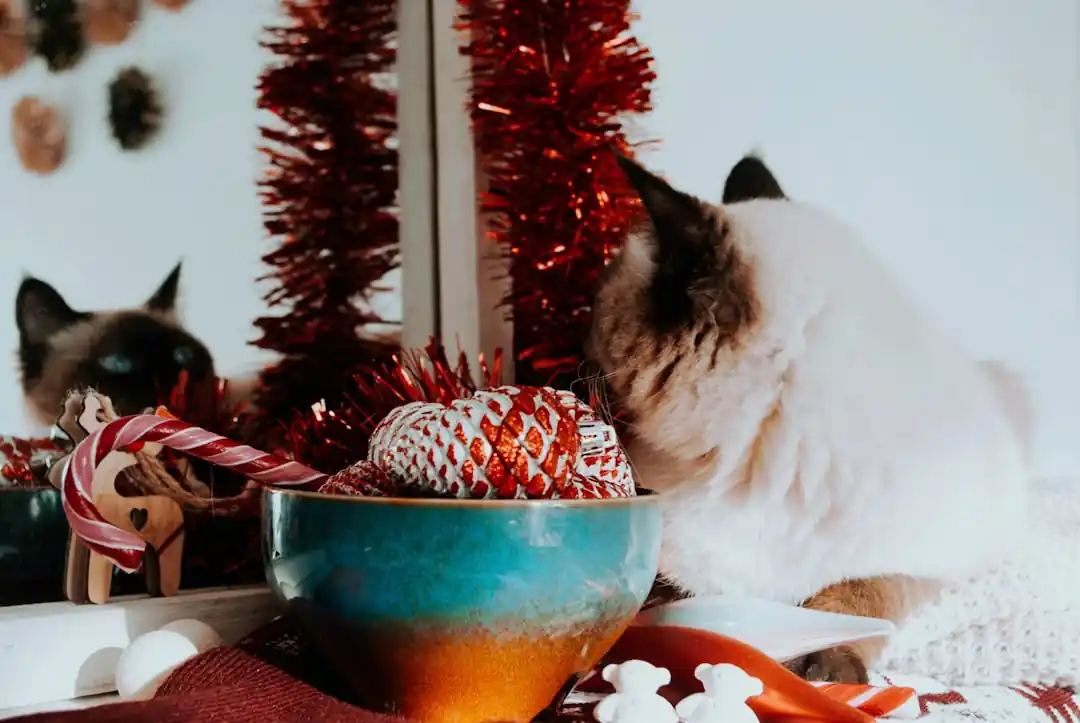
Christmas trees themselves can be a source of trouble. If you have a real tree, the water in the stand can contain fertilizers, preservatives, or stagnant bacteria that are toxic if ingested. Pine needles, whether real or artificial, can cause gastrointestinal irritation or even blockages if swallowed. And a wobbly tree? That's a recipe for disaster, potentially falling and injuring a pet or breaking fragile ornaments. Securing your tree firmly, perhaps even to a wall, is a smart move, and covering the water stand is a must.
Then there's the glittery nemesis of many cat owners: tinsel. Its shiny, string-like appearance is irresistible to felines, triggering their hunting instincts. But if swallowed, tinsel can cause a linear foreign body obstruction, a severe condition where the tinsel "accordions" the intestines, often requiring emergency surgery. Ribbons and other string-like items from gifts pose a similar threat. Glass ornaments can shatter into sharp fragments, injuring paws or mouths, and small ornaments can be swallowed, leading to choking or internal blockages. Opting for shatterproof ornaments and placing delicate ones higher up the tree can mitigate some of these risks.
Electrical cords for lights are another silent danger. Curious chewers, especially puppies and kittens, can suffer burns, mouth injuries, or even electric shock if they bite through live wires. Using cord protectors, hiding wires behind furniture, or opting for battery-operated lights can help. And candles, while creating a beautiful ambiance, are an open flame hazard. A wagging tail or a playful swat can easily knock over a lit candle, leading to burns for your pet or even a house fire. Battery-operated candles offer a safe and equally charming alternative.
Festive Flora: The Hidden Dangers in Holiday Plants
Bringing nature indoors during the holidays adds a touch of festive cheer, but some of our most beloved seasonal plants are surprisingly toxic to pets. It's easy to assume they're harmless, especially when they're so beautiful, but a nibble from a curious cat or dog can lead to anything from mild discomfort to severe illness.
Poinsettias, with their vibrant red and green leaves, are perhaps the most iconic holiday plant. While they've gained a reputation for being deadly, the truth is they're generally only mildly toxic. Ingesting them can cause mild stomach upset, drooling, vomiting, or diarrhea, and the milky sap can irritate the skin or mouth. While usually not life-threatening, it's still best to keep them out of reach to avoid any discomfort for your pet.
However, other plants pose a much more serious threat. Mistletoe, often associated with holiday kisses, contains toxins that can cause significant gastrointestinal upset, and in larger quantities, even heart and neurological issues, including low blood pressure and seizures. Holly, with its prickly leaves and bright red berries, can lead to severe mouth pain, gastrointestinal problems, and lethargy if ingested. Both of these are best avoided entirely or replaced with artificial versions if you have pets.
And then there are lilies. For cats, true lilies (like Day, Tiger, Easter, Asiatic, and Japanese Show lilies) are incredibly dangerous. Every single part of the plant – the flowers, leaves, stems, pollen, and even the water in the vase – is highly toxic and can cause life-threatening kidney damage. If you have a cat, the safest choice is to simply never bring lilies into your home. Amaryllis and Paperwhite Narcissus, while not true lilies, also contain toxic compounds that can cause gastrointestinal distress, lethargy, and tremors in both cats and dogs. It's a good reminder that beauty doesn't always equate to safety when it comes to our pets.
Party Poopers: Managing Noise, Guests, and Stress
The holidays are a time for gathering, for laughter, and often, for a bit of celebratory noise. While we thrive on the festive atmosphere, for many pets, this sudden influx of people, loud sounds, and disrupted routines can be incredibly stressful and even frightening.
Loud noises, especially fireworks, are a major source of anxiety for countless dogs and cats. The unpredictable bangs and flashes can be perceived as a threat, leading to elevated heart rates, trembling, hiding, pacing, or even destructive behavior. In some cases, terrified pets may even attempt to escape, putting them at serious risk. If fireworks are part of your holiday tradition, or if you anticipate loud celebrations nearby, it's crucial to prepare a safe, quiet space for your pet well in advance. A room away from windows, with curtains drawn, and some soft music or white noise can help muffle external sounds and provide a much-needed sanctuary.
Guests, while wonderful for us, can also be overwhelming for pets, especially those who are shy or easily overstimulated. A constant stream of new faces, unfamiliar smells, and excited chatter can quickly lead to stress. It's a good idea to provide your pet with a designated "safe zone" – a quiet room or a crate with their favorite bedding and toys – where they can retreat if they feel overwhelmed. Inform your guests ahead of time about your pet's boundaries and ask them to respect your pet's space, especially if they're resting in their safe haven.
Consider using calming tools and techniques if your pet is particularly prone to anxiety. Products like Thundershirts, pheromone diffusers (like Feliway for cats or Adaptil for dogs), or calming sprays can help create a sense of security. For pets with severe anxiety, a conversation with your veterinarian about prescription medications or supplements might be beneficial. And always, always ensure your pets are microchipped and wearing up-to-date ID tags, just in case they do manage to slip out during a moment of holiday chaos.
The holidays are a time for love, joy, and connection, and our pets are such an integral part of that tapestry. By being mindful of the potential pitfalls – from tempting treats to sparkling decorations and overwhelming noise – we can ensure that their festive season is filled with nothing but comfort, safety, and happiness. It's about creating a haven for them, a place where their innocent curiosity doesn't lead to danger, and where their well-being is always a top priority. Here's to a holiday season where every wagging tail and contented purr adds to the magic, making memories that are truly safe and sweet for everyone.
More Joy, Less Jingle: A Guide to Holiday Travel with Your Furry Co-Pilot
Holiday Travel Without the Plant-Parent Guilt
Related Posts
 HOBBIES
The Beginner's Guide to Reading the Night Sky: How to Spot Your First Constellations
A friendly, grounded guide to navigating the night sky, understanding stellar movements, and spotting iconic constellations without expensive gear.
 PETS
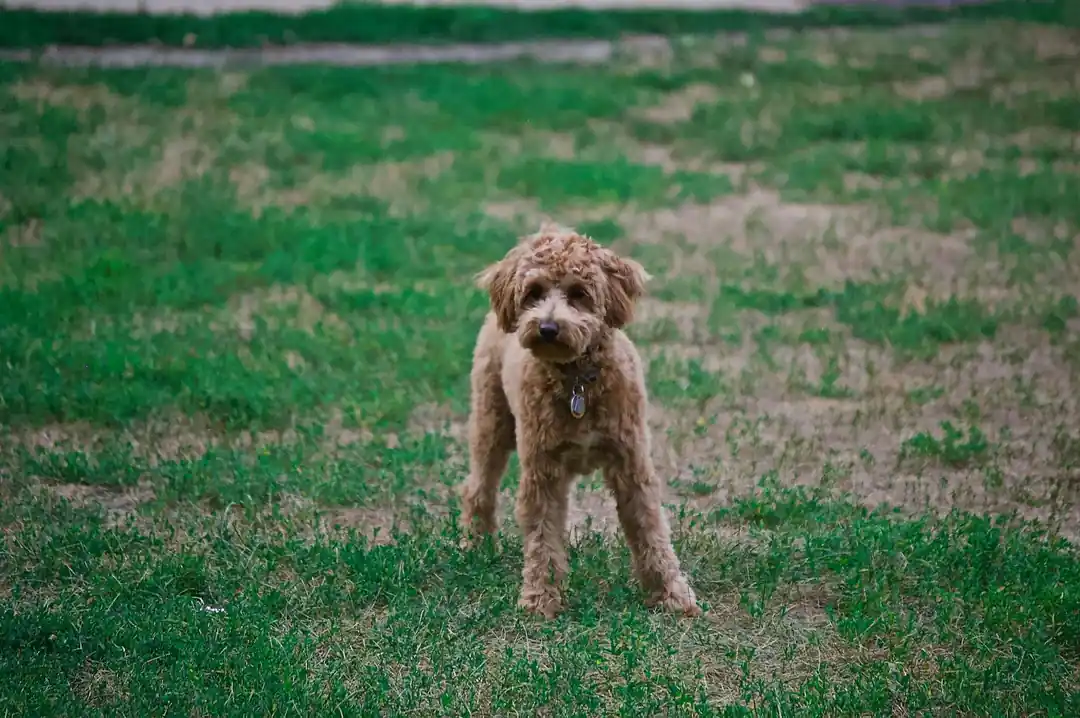
PETSSniffle-Free Snuggles: America's Most-Loved Hypoallergenic Dogs
Dreaming of a furry friend but dreading the sneezes? You're not alone. Let's dive into the wonderful world of popular hypoallergenic dog breeds in the US.

Popular Posts

Rethinking Non-Profit Promotion: Creative Strategies That Actually Drive Event Impact

Beyond Stark White: The Best Interior Paint Colors to Light Up Your New Space

How to Actually Master a New Language on Your Own (No Magic Gene Required)
