Signing on the dotted line for construction equipment feels like progress, but the real work starts with understanding that contract. Let's break it down.
There’s a certain kind of excitement that buzzes in the air on a new job site. You’ve got the plans, the team is ready, and all that’s standing between you and breaking ground is the arrival of the heavy machinery. It’s so tempting to see the equipment rental agreement as just another piece of paper to sign to get things moving. I’ve been there. You’re eager, you’re on a deadline, and the sales rep is friendly. What could go wrong?
Honestly, I learned the hard way that a rental agreement isn't just a formality—it's the rulebook for a very expensive game. A single overlooked clause about overtime usage or a misunderstanding about who fixes a breakdown can spiral into thousands of dollars in unexpected costs and project-killing delays. It’s not about being cynical; it’s about being professional. Treating that document with the same respect you give your architectural blueprints is the first step to a successful project.
Before you even think about putting pen to paper, let's walk through the things that demand your full attention. This isn't just a checklist; it's a shield for your budget, your timeline, and frankly, your sanity.
The Pre-Signature Inspection: Your First Line of Defense
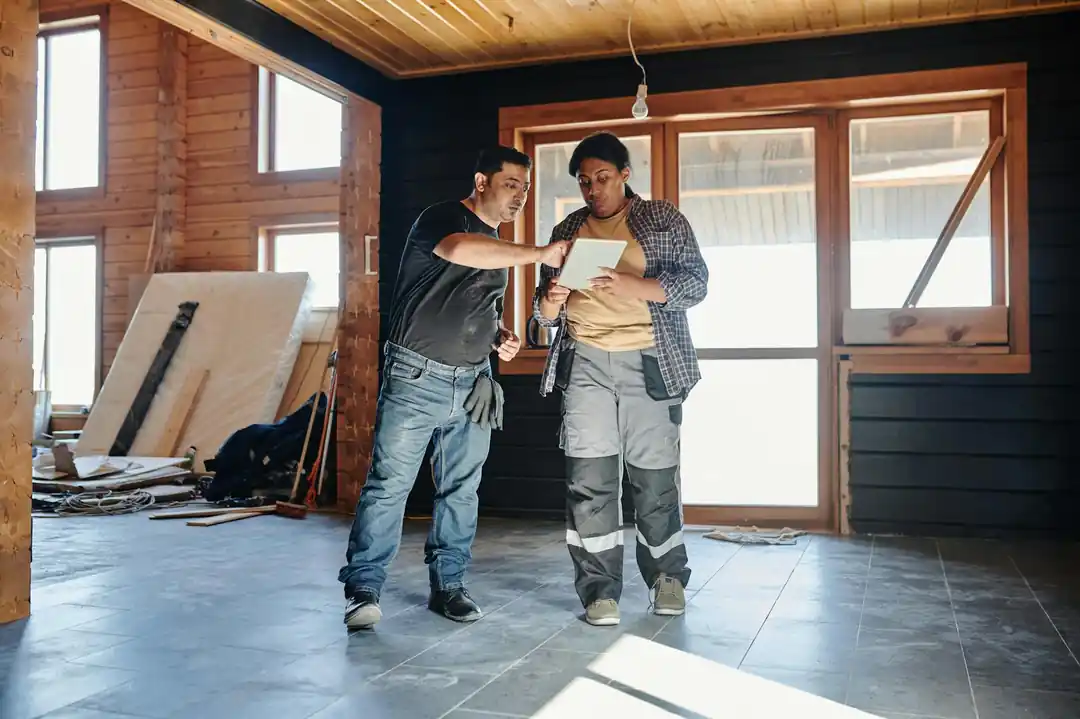
You wouldn't buy a used car without popping the hood and taking it for a spin, so why would you accept a 20-ton excavator on faith? The agreement will list the equipment, but it's on you to verify its condition before you sign off on delivery. This is non-negotiable. When that machine rolls off the flatbed, it’s time for a detailed walk-around.
Start by comparing the serial number on the machine to the one in the contract. It sounds basic, but mix-ups happen. Then, become a detective. Document every single scratch, dent, weld, and sign of wear. Check the tires or tracks, look for hydraulic fluid leaks, and test the safety features—lights, alarms, and emergency shut-offs. I highly recommend taking a video on your phone, narrating what you see as you walk around the entire machine.
This documentation is your baseline. The contract will have a clause about returning the equipment in the condition it was received, minus "normal wear and tear." That phrase is incredibly subjective. Your video and photos are objective proof that can save you from paying for damage you didn't cause.
Decoding the Dollars and Cents: It's More Than the Daily Rate
The daily or weekly rental rate is the headline number, but it's rarely the full story. A truly professional rental agreement will be transparent about all potential costs, but you often have to ask the right questions to get the full picture. Start with the rental period itself. Is a "day" an 8-hour shift or a 24-hour period? This is critical.
Many agreements include limits on machine hours. For example, a weekly rental might include 40 hours of use. If your project requires running the machine for 12-hour days, you'll be racking up overtime charges, which are often billed at a much higher rate. You need to know this and budget for it. Ask for a clear schedule of all potential fees: delivery and pickup charges, environmental fees, and, a common one, fuel charges. Most companies expect the machine to be returned with a full tank, and their refueling rates are always higher than the local gas station.
And don't forget about the security deposit. Understand exactly what conditions could lead to a deduction. Is it only for damage, or can it be used to cover extra cleaning fees or late return penalties? Getting a complete and total breakdown of costs isn't being difficult; it's just smart business.
The "Who's Responsible For What" Clauses
This is where things can get really complicated, and where a good rental partner distinguishes itself from a simple supplier. Two areas are critical: maintenance and liability. The contract should spell out in no uncertain terms who is responsible for routine maintenance. Usually, daily checks (like fluid levels and greasing) fall on you, the renter. But what happens if a hydraulic line bursts or the engine fails?
The agreement must define the process for handling breakdowns. Who do you call? What is their guaranteed response time? And, crucially, are you responsible for rental costs while the machine is down? A good partner will stop the clock and get a replacement out to you quickly. A less scrupulous one might leave you hanging while the rental fees continue to pile up.
Then there's the big one: insurance and liability. The rental company will require you to have insurance, but you need to read the fine print. Your general liability policy might not cover rented equipment. You often need a specific "inland marine" policy or a special rider. The rental company will likely offer a Loss Damage Waiver (LDW), which can feel like a lifesaver. However, it's not a get-out-of-jail-free card. It often has a high deductible and may not cover things like negligence or vandalism. Read the LDW terms as carefully as you read the main contract.
A Partnership, Not Just a Transaction
Ultimately, renting heavy equipment shouldn't feel like a battle. The rental company should be a partner in your project's success. A transparent, fair, and detailed agreement is the foundation of that partnership. It protects them, yes, but it also protects you by setting clear expectations for everyone involved.
Don't ever feel rushed or pressured to sign. Take the time to read every line. If there's a clause you don't understand, ask for clarification in writing. A good company will be happy to explain their terms. A company that gets defensive or dismissive of your questions is showing you a major red flag.
Taking an hour to fully understand that rental agreement before you sign can save you weeks of delays and a mountain of cash down the road. It’s a small investment of time that pays the best dividends: a smooth, predictable, and successful project. And at the end of the day, that's all any of us really want.

From Warning Track to Homerun: Drills to Unlock Your True Hitting Power
From Passion to Profit: A Beginner's Guide to Making Money with Stock Photography

Related Posts
 BUSINESS
Rethinking Non-Profit Promotion: Creative Strategies That Actually Drive Event Impact
Discover modern, research-backed strategies for promoting non-profit fundraisers, from experiential marketing to hyper-local micro-influencers and cross-sector partnerships.
 BUSINESS
Is the TV Ad Dead? A Deep Dive into Cost and Effectiveness in 2024
In an age of streaming and scrolling, is a TV commercial still a smart bet for brands? We're breaking down the real costs and surprising effectiveness of television advertising today.

Popular Posts
Rethinking Non-Profit Promotion: Creative Strategies That Actually Drive Event Impact

Beyond Stark White: The Best Interior Paint Colors to Light Up Your New Space

The Simple Pre-Workout Fueling Strategy That Saved My Long Runs