Don't Get Left in the Cold: Building the Ultimate Winter Car Emergency Kit
It's more than just jumper cables. We're diving deep into what you actually need in your car when the temperature drops and the snow starts to fall.
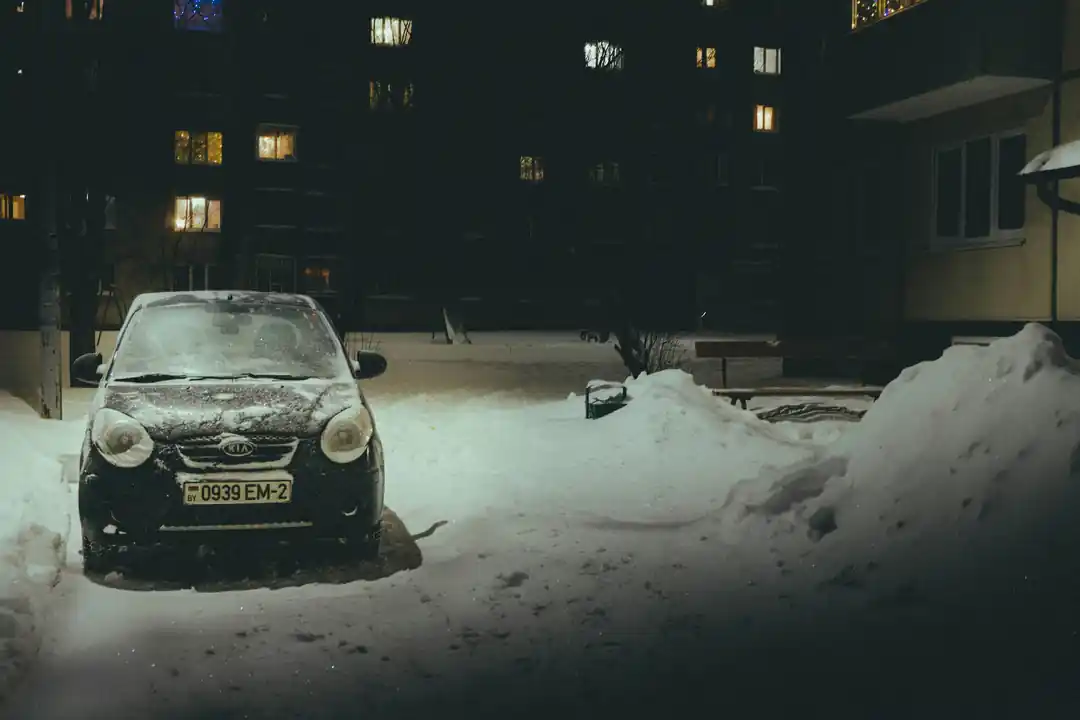
Honestly, I used to be one of those people. You know the type—a half-empty bottle of washer fluid, an old ice scraper with a chipped blade, and a vague sense of optimism was the extent of my "winter preparedness" for my car. I figured I mostly drive in the city, what’s the worst that could happen? It took one unexpectedly vicious snowstorm and a two-hour standstill on a side street, with the gas tank inching closer to empty, to completely change my mind. That shivering, anxious wait was a powerful lesson: winter doesn’t care if you’re on a remote highway or a suburban road. When it decides to show its teeth, you’re on its time.
That experience sent me down a rabbit hole of research, cross-referencing advice from seasoned mechanics, government agencies like Ready.gov, and long-standing authorities like AAA. What I discovered was that building a truly effective winter car emergency kit isn't about paranoia; it's about self-reliance. It’s about giving yourself a bubble of safety, warmth, and capability in a situation where you have very little control. It’s the ultimate act of responsibility for yourself and anyone who rides with you.
So, let's talk about what really needs to be in that kit. It’s more than just a few token items. It’s a system. We’re going to build it from the ground up, moving from the absolute, must-have basics to the items that will make a genuinely miserable experience a manageable one.
The Non-Negotiables: Your First Line of Defense
Before we even get to the winter-specific stuff, there are some year-round essentials that become even more critical when it's freezing outside. A dead battery is one of the most common winter roadside headaches. Cold temperatures can slash a battery's power by more than 50 percent. That’s why a set of quality jumper cables is the absolute baseline. I’ve learned to invest in a pair that’s long enough to easily reach another car’s battery, no matter how awkwardly you’re parked. Even better, a modern portable jump starter is a game-changer, letting you get going without needing a second vehicle.
A proper first-aid kit is another item that should live in your car permanently. You can buy a pre-made one, but I prefer to customize it. Make sure it has the basics like assorted bandages, antiseptic wipes, pain relievers, and gauze. But then, add things specific to your needs—any personal medications, an instant cold pack, and maybe even a tourniquet. Organizations like the Red Cross offer great checklists for building a robust kit. In an accident, especially in winter when emergency services might be delayed, being able to treat even a minor injury is crucial.
And please, don’t forget a flashlight. And I don’t mean your phone’s flashlight, which will drain your only communication link to the outside world. A powerful, dedicated LED flashlight with a fresh set of extra batteries is essential. I’m also a huge fan of the hand-crank versions that double as a radio and a USB charger. It’s a multi-purpose tool that never runs out of juice, which is exactly the kind of reliability you want when you’re stuck on the side of a dark, snowy road.
When You're Stuck: Getting Unstuck and Staying Safe
Okay, you’ve hit a patch of ice or a snowdrift and your wheels are just spinning. This is where the winter-specific gear really proves its worth. The number one thing you’ll be glad you have is a way to get traction. A simple bag of cat litter or sand can work wonders. Just toss a few handfuls under your drive wheels to give them something to grip onto. Some people even opt for dedicated traction mats, which are more expensive but incredibly effective.
A small, collapsible shovel is your next best friend. It’s not for digging out your entire driveway, but for clearing snow from around your tires and, critically, from your exhaust pipe. If you’re stranded for a while and need to run your engine for heat (only do this for about 10 minutes every hour!), a blocked exhaust can fill your car with deadly carbon monoxide. Clear that pipe before you do anything else.
Visibility is a two-way street: you need to see and you need to be seen. An ice scraper and snow brush are obvious, but make sure they’re sturdy. Beyond that, you need to make your vehicle visible to other drivers, especially in a whiteout or at night. While traditional road flares are effective, I prefer LED emergency lights. They’re safer, reusable, and can flash for hours. At a minimum, have a set of reflective triangles to place behind your car to warn oncoming traffic.
The Human Element: Staying Warm and Fed
Now for the most important part: keeping the people inside the car safe and as comfortable as possible. Hypothermia is a serious risk, and a car that isn't running gets cold fast. This is where you can’t skimp. Pack more warmth than you think you’ll need. Wool blankets are fantastic because they insulate even when damp. I also keep a couple of those Mylar emergency "space blankets" in the glove box. They are incredibly effective at reflecting body heat back to you.
Your clothing is your primary defense. Even if you’re just making a quick trip, have extra gear in the car. A spare hat, waterproof gloves, a warm scarf, and thick wool socks can be lifesavers. If you have the space, an old winter coat and a pair of snow pants are even better. The goal is to be able to stay warm for hours without relying on the car's heater. Chemical hand and foot warmers are another small luxury that can make a huge difference in morale.
Finally, don’t forget food and water. Being hungry and dehydrated makes you colder and less able to think clearly. Pack high-energy, non-perishable foods like granola bars, nuts, or dried fruit. For water, plastic bottles can freeze and burst, so consider flexible water pouches or be prepared to rotate your supply. And don't forget a portable power bank for your phone. Keeping it charged means you can stay in touch with family and call for help when you need it.
Building this kit might seem like a chore, but it’s one of the most important things you can do as a driver in a cold climate. It’s a weekend project that could one day be the most valuable thing you own. That feeling of quiet confidence, knowing you’re ready for whatever the road throws at you, is worth every penny and every minute you spend putting it together. Drive warm, drive safe.

Unlocking Your Best Forehand: A Deep Dive into Tennis Fundamentals
Navigating the Maze: Your Guide to Choosing a Personal Banking Account in the US

Related Posts
 HOBBIES
The Beginner's Guide to Reading the Night Sky: How to Spot Your First Constellations
A friendly, grounded guide to navigating the night sky, understanding stellar movements, and spotting iconic constellations without expensive gear.
 PETS
PETSSniffle-Free Snuggles: America's Most-Loved Hypoallergenic Dogs
Dreaming of a furry friend but dreading the sneezes? You're not alone. Let's dive into the wonderful world of popular hypoallergenic dog breeds in the US.

Popular Posts

Rethinking Non-Profit Promotion: Creative Strategies That Actually Drive Event Impact

Beyond Stark White: The Best Interior Paint Colors to Light Up Your New Space

The Simple Pre-Workout Fueling Strategy That Saved My Long Runs