The Ultimate Guide to Seeing the Northern Lights in Norway
Thinking about chasing the aurora borealis? I get it. That otherworldly glow is a bucket-list dream. Here’s everything I’ve learned about making it a reality in the stunning landscapes of Norway.
Let's be honest, there are few natural phenomena as utterly captivating as the Northern Lights. It’s one of those things you see in documentaries, a silent, shimmering dance of greens and purples across the night sky that feels more like magic than science. For years, seeing them with my own eyes was at the very top of my travel list. After a ton of research and planning, I finally made the trip to Norway, and it was everything I imagined and more.
The thing is, a trip to see the aurora isn't like a weekend trip to a new city. It requires planning, patience, and a healthy dose of respect for nature. You’re not just booking a flight; you’re embarking on a genuine adventure. So, if you're dreaming of standing under that celestial glow, I’ve put together this guide to share what I learned—from the best time to go to what you absolutely need to pack—to help you turn that dream into a breathtaking reality.
When to Go: Timing Your Chase for the Aurora
First things first: you can't see the Northern Lights in summer. It seems obvious, but with Norway’s midnight sun, the sky simply doesn't get dark enough from late April to mid-August. The prime season for aurora hunting, known as the "Northern Lights season," runs from late September to late March. This is when the nights in Northern Norway are long and dark, providing the perfect canvas for the lights to appear.
Within that window, many seasoned guides point to the period from October to March as the absolute best time. I went in late February, and the conditions were perfect—deep, dark nights and plenty of solar activity. However, there's a strong argument for the shoulder months of September and March. During these times, the weather can be slightly milder, and you get the added bonus of beautiful autumnal or spring landscapes during the day. Plus, scientific studies have shown that auroral activity is often highest during the spring and autumn equinoxes.
Don't forget to consider the moon cycle. While a full moon can beautifully illuminate the snowy landscapes for photos, it can also wash out the fainter Northern Lights. For the most vibrant and contrasting views, try to plan your trip around the new moon. It’s not a deal-breaker, but it can certainly enhance the experience.
Where to Go: Finding the Perfect Viewing Spot
While you can technically see the Northern Lights from many places in the northern hemisphere, Norway's Arctic region is situated directly within the "auroral oval," where the lights are most frequently observed. This makes it one of the most reliable and accessible places on Earth for aurora chasers.
Tromsø, often called the "Gateway to the Arctic," is probably the most popular base for a reason. It's a lively city with an airport, plenty of hotels, and dozens of tour operators. From here, you can easily book a guided tour where experts use weather forecasts to chase clear skies, sometimes driving for hours to find the perfect viewing spot. This is what I did, and it took all the stress out of it. They know the best locations, away from the city's light pollution, where you can stand in awe.
If you're looking for something a bit more rugged and scenic, the Lofoten Islands are an incredible choice. Imagine jagged mountains plunging into the sea, with the aurora dancing above. It’s a photographer’s dream. However, the weather here can be more unpredictable, so it’s wise to plan a longer stay to increase your chances. For those seeking a truly off-the-beaten-path experience, places like Senja (Norway’s second-largest island) or the Alta region offer stunning landscapes with fewer crowds.
<figure> <img src="https://images.unsplash.com/photo-1649452815320-5276f9b7fd78?crop=entropy&cs=tinysrgb&fit=max&fm=jpg&ixid=M3w4Mzc2MDV8MHwxfHNlYXJjaHw0fHxub3J0aGVybiUyMGxpZ2h0cyUyMG5vcndheSUyMHdpbnRlciUyMGxhbmRzY2FwZXxlbnwwfDB8fHwxNzY4ODQwMTUzfDA&w=1080" alt="A mountain range with a body of water in the foreground" /> <figcaption>The reflection of the aurora on a still fjord is a sight you'll never forget. Photo by David Becker on Unsplash.</figcaption> </figure>
What to Pack: Gearing Up for the Arctic Night
This is not the time to worry about fashion over function. When you’re standing outside for hours in the middle of the night, potentially in temperatures dropping well below freezing, being warm is the only thing that matters. The key is layering.
Start with a high-quality thermal base layer, preferably made of merino wool. Avoid cotton at all costs, as it holds moisture and will make you colder. Over that, add a mid-layer like a fleece or a down vest. Your outermost layer should be a heavy-duty, insulated, and waterproof winter jacket and snow pants. This combination traps air, creating an insulating barrier that keeps you warm and dry.
Don't forget the extremities! Two pairs of socks (a thin liner and a thick wool pair) inside insulated, waterproof boots are a must. Your feet will be the first to get cold on the frozen ground. For your hands, mittens are generally warmer than gloves, but it can be helpful to wear a thin pair of touchscreen-friendly liner gloves inside so you can operate your camera without exposing your skin. Finally, a warm hat (like a beanie or ushanka) that covers your ears, a scarf or neck gaiter, and even a balaclava for really cold nights will make a world of difference. Hand and foot warmers are also a cheap and brilliant way to add extra hours to your comfortable viewing time.
Pro Tips for a Successful Hunt
Beyond where to go and what to wear, a few extra tips can make your aurora adventure even more memorable. First, download an aurora forecast app. There are many good ones (I used My Aurora Forecast & Alerts) that provide real-time data on solar wind speed, density, and the predicted KP-index, which is a measure of geomagnetic activity. It helps manage expectations and lets you know when to have your gear ready.
Second, if you're into photography, do your homework before you go. You'll need a DSLR or mirrorless camera with manual settings, a wide-angle lens with a fast aperture (f/2.8 or lower is ideal), and a sturdy tripod. You’ll be shooting long exposures, so a tripod is not optional. Practice setting your camera in the dark before you leave home. There’s nothing more frustrating than fumbling with dials and buttons with frozen fingers while the sky is erupting above you.
Finally, and most importantly, be patient. The Northern Lights are a natural phenomenon, not a scheduled performance. Some nights you might wait for hours and see nothing but stars. Other nights, a faint green smudge might appear and vanish. But when you’re finally rewarded with a vibrant, dancing display, it’s a moment of pure, unadulterated awe. It’s a reminder of the planet’s power and beauty, and it’s a memory that will stay with you forever.
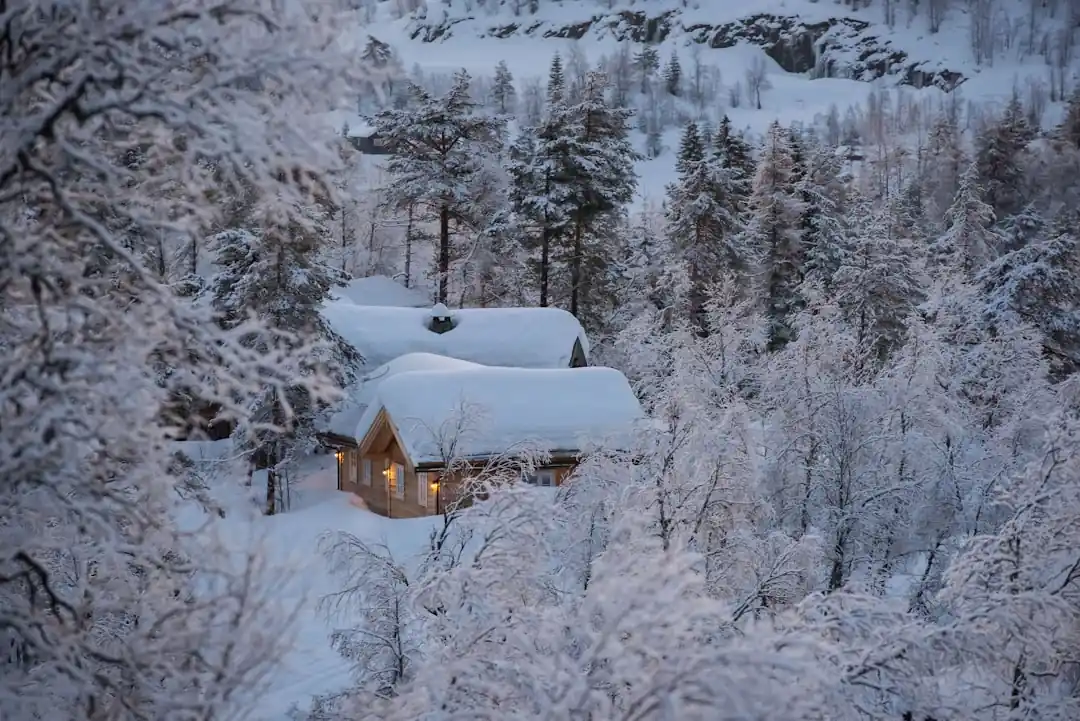
What to Pack for a Winter Trip to Norway (Without Freezing!)
Conquering Spain's Cities: A Guide to Public Transportation for the Savvy Traveler

Related Posts
 TRANSPORT
Beyond the Highway: Finding Canada's Soul on a Western Rail Adventure
Forget road trips. I'm talking about rediscovering the romance of travel on Via Rail's most scenic routes through the heart of the Canadian West. It’s an experience that changes you.
 TRAVEL TIPS
The Unwritten Rules of the North: What to Know Before Camping in Canada
Heading to the Great White North for a camping trip? It's an amazing idea. But from campfire etiquette to wildlife wisdom, here’s what you need to know before you go.

Popular Posts

Rethinking Non-Profit Promotion: Creative Strategies That Actually Drive Event Impact

Beyond Stark White: The Best Interior Paint Colors to Light Up Your New Space

How to Actually Master a New Language on Your Own (No Magic Gene Required)
