When the flu hits, it feels like your whole world slows down. But did you know that simply staying hydrated can be one of your most powerful allies in getting back on your feet?
The flu. Just hearing the word can conjure memories of shivering under a mountain of blankets, a throat that feels like sandpaper, and an ache that settles deep into your bones. When you're in the throes of it, the last thing you often want to do is move, let alone diligently sip on water. But what if I told you that one of the most powerful tools for a faster recovery is likely sitting right there on your bedside table, waiting patiently in a glass?
Honestly, for years I thought the "drink plenty of fluids" advice was just one of those generic things doctors say, like "get some rest." It felt passive. But after a particularly nasty bout of influenza a few winters ago, I started to actually look into it, and what I found was a game-changer. Your body is waging an all-out war against the virus, and hydration is the critical supply line that keeps your internal army functioning. It’s not just about quenching thirst; it’s a fundamental part of your defense strategy.
The Science: What the Flu Actually Does to Your Water Supply
When you have the flu, your body becomes a battleground, and this battle uses up a surprising amount of your resources, especially water. The most obvious culprit is a fever. As your body cranks up its internal thermostat to make itself a less hospitable place for the virus, you start to sweat. A lot. This is one of your body's primary ways of cooling down, but it comes at the cost of significant fluid loss.
But the fluid drain doesn't stop there. Every time you cough or even just breathe, you lose a small amount of water vapor. When you're sick, your breathing is often faster and shallower, accelerating this process. And if you're dealing with the unfortunate gastrointestinal symptoms that can sometimes accompany the flu, like diarrhea or vomiting, you're losing fluids and essential electrolytes at an even more alarming rate. It’s a perfect storm of depletion that can quickly lead to dehydration, making every single flu symptom feel ten times worse.
Dehydration on top of the flu is a miserable combination. It can intensify headaches, worsen muscle aches, and deepen that profound, soul-crushing fatigue. I read a study that explained how dehydration can even hinder the immune response itself. Your blood volume decreases, meaning those vital immune cells have a harder time traveling through your body to get to the site of the infection. You're essentially slowing down your own reinforcements, prolonging the fight and your own misery.
It's Not Just Water: What You Should Actually Be Drinking
While plain water is the undisputed king of hydration, when you're losing electrolytes through sweat and other symptoms, sometimes you need to call in some specialized support. Electrolytes—minerals like sodium, potassium, and chloride—are crucial for nerve function, muscle control, and maintaining your body's fluid balance. Simply put, they help your cells actually absorb the water you're drinking.
So, what’s in the ideal flu-fighting beverage arsenal? Broth is a fantastic choice. Whether it's chicken, beef, or vegetable, a warm cup of broth provides not only fluids but also a much-needed dose of sodium. The warmth is also incredibly soothing for a sore throat. I practically live on chicken broth when I'm sick; it feels like a warm hug from the inside and helps clear up my sinuses.
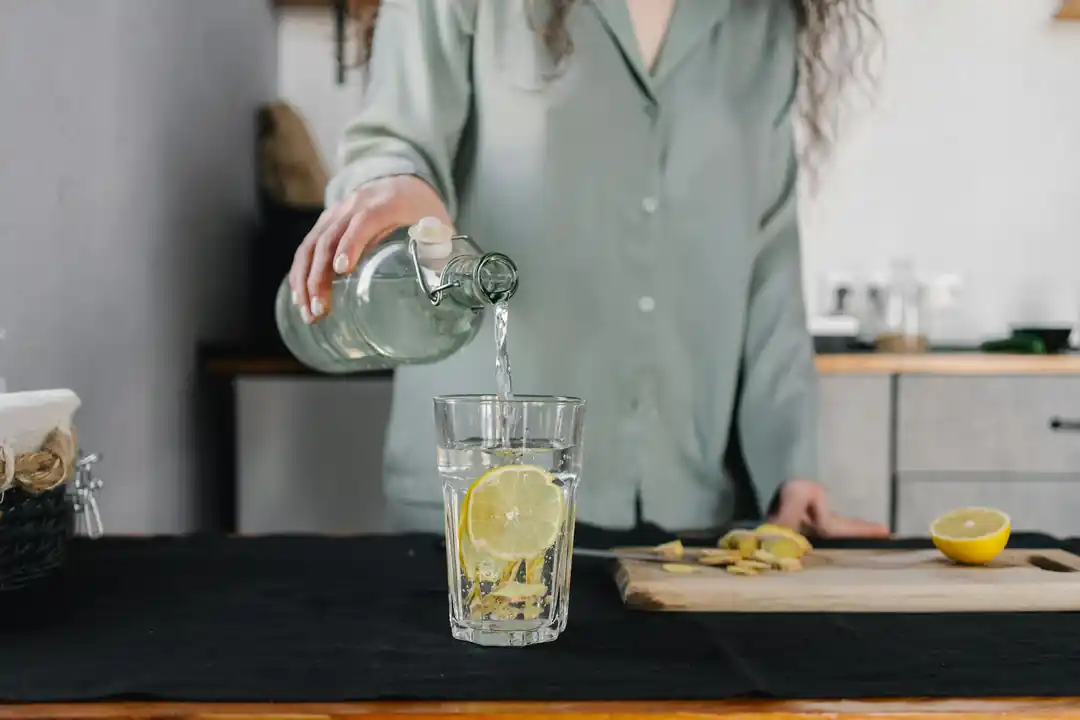
Herbal teas are another go-to. Ginger tea can work wonders for nausea, while peppermint can help with congestion. Chamomile is great for promoting the rest your body desperately needs. Just be sure they're decaffeinated, as caffeine can act as a diuretic and work against your hydration efforts. And of course, there are electrolyte replacement drinks. While some sports drinks can be high in sugar, options like coconut water or a low-sugar oral rehydration solution can be incredibly effective at quickly replenishing what you've lost.
How to Stay Hydrated When You Feel Absolutely Awful
Knowing you should drink and actually doing it are two very different things when every part of you just wants to be left alone. The key is to make it as easy and gentle as possible. Don't try to chug a huge glass of water all at once, especially if you're feeling nauseous. Instead, focus on small, frequent sips throughout the entire day.
I find it helps to keep a large, insulated water bottle with a straw right by my bed. The straw somehow makes it feel like less effort, and having it within arm's reach means I don't have to get up. If even water feels unappealing, try changing the temperature. Sometimes ice-cold water is more palatable, or you might prefer something warm like the broths and teas we talked about.
Another trick is to eat your water. Foods with high water content, like soups, melons, or even popsicles, can contribute to your overall fluid intake. Those simple, fruit-juice-based popsicles can be a lifesaver for a sore throat, providing both hydration and a bit of soothing cold. Set a gentle, recurring alarm on your phone if you have to. A little nudge every 20-30 minutes to take a few sips can make a huge difference over the course of a day.
Battling the flu is a marathon, not a sprint. It requires patience and giving your body the support it needs to cross the finish line. Hydration is the most fundamental form of that support. Every sip, no matter how small, is a step in the right direction—a quiet act of kindness to yourself that helps pave the way back to feeling whole again. Be gentle with yourself, and just keep sipping.

More Than Just Tired: How to Cope With Flu Fatigue and Mental Drain
What to Eat When You Have the Flu (and Actually Feel Better)

Related Posts
 NUTRITION
The Simple Pre-Workout Fueling Strategy That Saved My Long Runs
Discover how timing your carbohydrates and embracing simple foods can eliminate mid-workout fatigue and unlock your true endurance potential.
 FITNESS
No Gym, No Problem: The Ultimate Guide to Bodyweight Fitness at Home
Forget expensive memberships. Discover how to build serious strength and transform your body using the most powerful tool you already own: yourself.
Popular Posts

Rethinking Non-Profit Promotion: Creative Strategies That Actually Drive Event Impact

Beyond Stark White: The Best Interior Paint Colors to Light Up Your New Space

How to Actually Master a New Language on Your Own (No Magic Gene Required)