Thinking of renting a car in Israel? It’s a fantastic way to see the country, but the rules of the road can be a little different. Here’s what you need to know before you go.
There’s a certain magic to exploring a new country from behind the wheel of a car. You get to move at your own pace, stumble upon hidden gems, and blast your own road trip playlist, of course. Planning a trip to Israel and considering a rental car? I can tell you from experience, it’s one of the best ways to see the incredible diversity of this small but mighty country—from the lush hills of the Galilee to the stark, stunning beauty of the Negev Desert.
But let’s be honest, the thought of navigating foreign roads can be a little intimidating. The signs are in a different language, the driving culture is unfamiliar, and you’re on the “wrong” side of the car… or are you? The good news is that driving in Israel is surprisingly manageable for American tourists. The main highways are modern and well-maintained, and a lot of the critical signage is in English.
Still, there are some key differences and local quirks you absolutely need to know before you hit the gas. A little preparation can be the difference between a stressful experience and the road trip of a lifetime. So, let's get into the driver's seat and go over the essential rules and tips for driving in Israel as a tourist.
The Essential Paperwork: License and Rental Requirements
First things first, let's talk documents. Can you use your US driver's license? Yes, your valid US license is generally accepted for up to one year. However, and this is a big one, many car rental agencies will require you to have an International Driving Permit (IDP) in addition to your license. I’ve seen this trip up more than a few travelers. It’s not just a recommendation; for some rental companies, it's a firm policy. An IDP is essentially a booklet that translates your license into multiple languages, and it’s a lifesaver if you get pulled over or have any issues. You can easily get one from AAA before you leave the US. Just do it—it’s a small step that prevents a huge potential headache.
When you go to pick up your rental, you’ll need a few things: your valid US driver's license, your IDP, your passport, and a major credit card in the driver's name. Most companies require drivers to be at least 21, with some setting the minimum age at 23 or even 25. If you’re under 25, brace yourself for the almost-universal "young driver surcharge." It’s also a smart move to book your car well in advance, especially if you're traveling during a peak season, to get a better price and your preferred vehicle type. (A smaller car, by the way, is often a great choice for navigating the narrow streets of ancient cities like Jerusalem and Safed).
Finally, don't skim over the insurance details. While your US auto insurance won't cover you in Israel, your credit card might offer rental car coverage. Before you rely on it, call your credit card company and get written confirmation that their policy applies in Israel. Some cards have exclusions for certain countries. If you're not covered, purchasing the Collision Damage Waiver (CDW) and theft protection from the rental agency is a wise investment for peace of mind.
On the Road: Rules You Can't Ignore
Okay, you’ve got your car and you’re ready to explore. The first sigh of relief for American drivers is that Israelis also drive on the right side of the road. Phew. However, that’s where many of the similarities end. One of the most critical rules to burn into your brain is that right turns on a red light are strictly forbidden, unless a separate green arrow light specifically gives you permission. This is a common habit for US drivers and a quick way to get a ticket or cause an accident in Israel.
Seatbelts are mandatory for all passengers, in both the front and back seats. No exceptions. And if you're traveling with kids, be sure to follow the local car seat regulations, which are strictly enforced. Another unique rule is related to headlights. From November 1st through March 31st, you are required to have your headlights on at all times on intercity highways, even during the day.
Speed limits are posted in kilometers per hour (km/h), not miles per hour. A good rule of thumb is to remember that 100 km/h is roughly 62 mph. Typical limits are 50 km/h (31 mph) in cities, 80-90 km/h (50-56 mph) on non-highway rural roads, and up to 110 or 120 km/h (68-75 mph) on major highways like Highway 6. And trust me, there are speed cameras, so keep an eye on your speedometer.
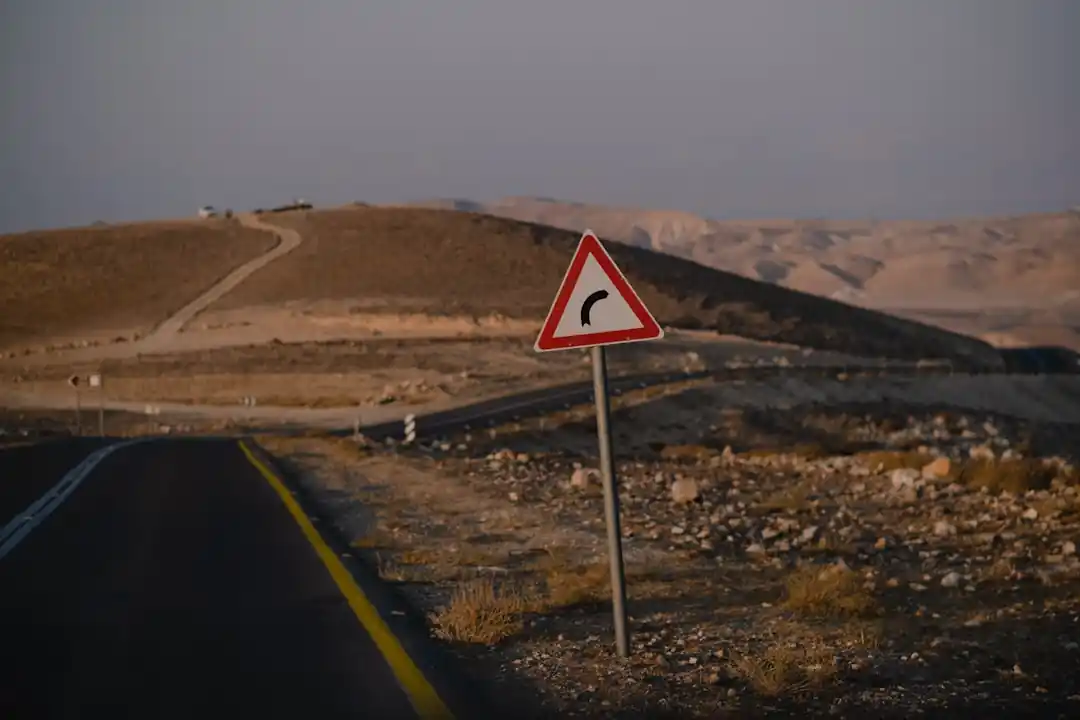
Navigating the Culture: Parking, Honking, and Waze
The driving culture in Israel can feel a bit... assertive. Drivers can be impatient, and honking is a common form of communication—not always out of anger, but more as a way of saying "Hey, I'm here!" or "The light is green, let's go!" Try not to take it personally. Stay calm, be predictable in your driving, and you'll be fine. Using your cell phone while driving is a huge no-no, unless it's a completely hands-free system.
Parking in cities is an adventure in itself. The curb colors are your guide:
- Blue and white: This is paid parking. You can pay using a meter or, more commonly, through a mobile app like Pango or Cello. I highly recommend downloading one of these apps; it makes life so much easier.
- Red and white: No parking. Ever. Don't even think about it.
- No color: Free parking, but always double-check for any signs with time restrictions.
For navigation, there is one tool that is absolutely essential: Waze. This world-famous navigation app was developed in Israel, and it is the undisputed king of the road here. It provides real-time, crowd-sourced updates on traffic, accidents, police traps, and road closures. It will be your best friend, guiding you through confusing city layouts and helping you find the fastest routes.
A final, critical point: most Israeli rental car companies prohibit you from taking their vehicles into Palestinian Authority-controlled areas of the West Bank (Area A), which includes cities like Bethlehem and Ramallah. If you plan to visit these areas, you'll need to park your car and take a taxi or arrange a tour.
Driving in Israel is a journey. It’s a chance to see the country on your own terms, from the ancient stones of Jerusalem to the modern vibes of Tel Aviv. It might push you out of your comfort zone, but the rewards—the views, the freedom, the stories—are more than worth it. So buckle up, be prepared, and enjoy the ride.

Beyond the Cold: What is Yakutia Really Known For?
Dressing with Respect: A Guide to Visiting Holy Sites in Israel
Related Posts
 TRANSPORT
Beyond the Highway: Finding Canada's Soul on a Western Rail Adventure
Forget road trips. I'm talking about rediscovering the romance of travel on Via Rail's most scenic routes through the heart of the Canadian West. It’s an experience that changes you.
 TRAVEL TIPS
The Unwritten Rules of the North: What to Know Before Camping in Canada
Heading to the Great White North for a camping trip? It's an amazing idea. But from campfire etiquette to wildlife wisdom, here’s what you need to know before you go.

Popular Posts

Rethinking Non-Profit Promotion: Creative Strategies That Actually Drive Event Impact

Beyond Stark White: The Best Interior Paint Colors to Light Up Your New Space

How to Actually Master a New Language on Your Own (No Magic Gene Required)