Ever feel like your phone's 'smart' features are having an off day? You're not alone. Let's talk about why your AI assistant ignores you and your camera makes weird choices.
We’ve all been there. You’re juggling groceries, trying to navigate a new part of town, or maybe you just have your hands full, and you call out that magic phrase: "Hey Siri," or "Okay, Google." You ask it to make a call, send a text, or settle a bet with a friend, expecting that seamless, futuristic assistance we’ve been promised. Instead, you’re met with a bafflingly incorrect response, a frustrating silence, or an answer to a question you didn't even ask. It’s in these moments that the "intelligence" in Artificial Intelligence feels, well, pretty artificial.
Honestly, the relationship we have with our smartphone's AI is a bit of a rollercoaster. When it works, it’s brilliant. It feels like living in the future, having a personal assistant tucked away in your pocket. But when it fails, it’s not just a minor inconvenience; it can be genuinely maddening. It’s a uniquely modern frustration, feeling misunderstood by a machine that’s supposed to understand you perfectly. I recently read a study that highlighted how these AI systems are constantly being updated to better understand context and nuance, yet they still struggle with things like sarcasm or regional dialects. It’s a good reminder that this technology, as advanced as it is, is still a work in progress.
The truth is, these AI features are incredibly complex systems layered on top of already complex hardware and software. A glitch can originate from anywhere—a microphone permission that was accidentally toggled off, a network issue that interrupts communication with the server, or a software bug from a recent update. So, before you consider throwing your phone out the window (we’ve all been tempted), let’s take a deep breath and walk through some of the most common AI frustrations and what you can actually do about them.
"Did You Say 'Launch Nuclear Missiles'?" — When Voice Assistants Go Rogue
The voice assistant is often our primary interface with our phone’s AI, and it’s also one of the most common sources of trouble. You ask it to play your favorite song, and it starts shuffling a podcast about competitive dog grooming. Why does this happen? More often than not, the issue is one of communication. It’s not necessarily that the AI is "dumb," but that it didn't get the right information in the first place. Background noise is a huge culprit. If you’re in a crowded cafe or a windy street, the microphone might be picking up a garbled mess of sounds, and the AI is left trying to find a coherent command in the chaos.
Another thing to consider is the AI's training. Voice assistants work by matching your speech to a massive library of voice samples and language patterns. If you have a strong accent, speak very quickly, or use a lot of slang, the AI might struggle to find a match. Many phones, like Google's Pixel series, offer the ability to retrain the voice model. Taking a few minutes to go through this process, speaking clearly in a quiet room, can make a world of difference. It’s like teaching a new employee your specific way of speaking—a little upfront effort saves a lot of headaches down the line.
If you’ve done all that and your assistant is still giving you the cold shoulder, it’s time to check the basics. Is your phone connected to Wi-Fi or cellular data? Many AI queries are processed in the cloud, so a spotty connection means a confused assistant. Also, dive into your settings and check the app’s permissions. Has the voice assistant app been accidentally denied access to the microphone? It happens more often than you’d think, especially after a system update. A simple toggle switch could be all that stands between you and digital harmony.
The "Smart" Camera That Has Its Own Creative Vision
Smartphone cameras are arguably where AI has made its most visible impact. Features like Portrait Mode, Night Sight, and automatic scene optimization have empowered us all to take photos that would have required expensive equipment just a few years ago. But this is also where AI’s "creative differences" can become a real problem. Have you ever taken a photo of a beautiful, subtly colored sunset, only for your phone to process it into a hyper-saturated, almost cartoonish version of reality? This is the AI trying to be helpful, but its idea of "better" might not be the same as yours.
This aggressive processing is a common complaint. The AI is programmed to make images "pop," which often translates to cranking up the sharpness, saturation, and contrast. It’s trying to deliver a photo that looks instantly impressive on a small screen, but in doing so, it can strip away the nuance and authenticity of the moment. I’ve found that sometimes the best way to deal with an overzealous camera AI is to take back some manual control. If your phone’s camera app has a "Pro" or "Manual" mode, switching to it can often bypass some of the heavier AI processing, giving you a more natural-looking image to work with.
Then there are the outright glitches. Portrait mode failing to correctly identify the edges of a subject, leaving parts of the background in focus while blurring a person’s hair, is a classic. This often happens in tricky lighting or when the subject is too close to the background. Before you snap the shot, pay attention to the on-screen preview. If it looks like the AI is struggling to create a clean cutout, try moving your subject or changing your angle slightly to create more separation. And don’t forget the simplest fix of all: clean your lens! A smudged lens can easily confuse the AI, leading to soft focus and strange artifacts. A quick wipe with a microfiber cloth is a simple but surprisingly effective troubleshooting step.
When "Adaptive" Features Adapt a Little Too Much
Beyond the flashy features, AI is also working tirelessly behind the scenes to optimize your phone’s performance and battery life. "Adaptive Battery" and similar features learn your app usage patterns and are supposed to limit resources for apps you don’t use often. In theory, this is fantastic. In practice, it can sometimes be a nightmare. Have you ever missed an important notification, only to realize your phone’s AI decided that the app wasn’t important and put it into a "deep sleep"?
This is a case of the AI being a little too clever for its own good. It sees you haven’t opened a particular app in a few days and assumes you don’t need it running in the background, cutting off its ability to send you timely notifications. If you’re experiencing this, you’ll need to do a little manual override. Dive into your phone’s battery settings. You should find a list of apps that are being optimized or put to sleep. From there, you can usually specify which apps should never be restricted. It’s a bit of a hassle, but it ensures you get the alerts you actually need.
This learning process also takes time. When you first get a new phone, or after a major software update, the battery life might seem a bit disappointing. This is often because the AI is still in its initial learning phase, figuring out your daily routine. It can take a week or two for the adaptive features to fully calibrate to your usage. So, if you’re experiencing weird performance or battery drain on a new device, give it a little time before you start worrying. The AI is a student, and sometimes it just needs a moment to learn the curriculum.

The Ghost in the Machine: How AI is Secretly Making Your Photos Look Incredible
Unlocking Your Android's Inner Genius: How AI Makes Your Phone Smarter, Faster, and More You

Related Posts
 MOBILE
The Great Console Debate: How to Choose the Right Gaming System for Your Family
Feeling stuck between a Switch, a PlayStation, and an Xbox? Let's break down which gaming console is the perfect fit for your family's game nights.
 MOBILE
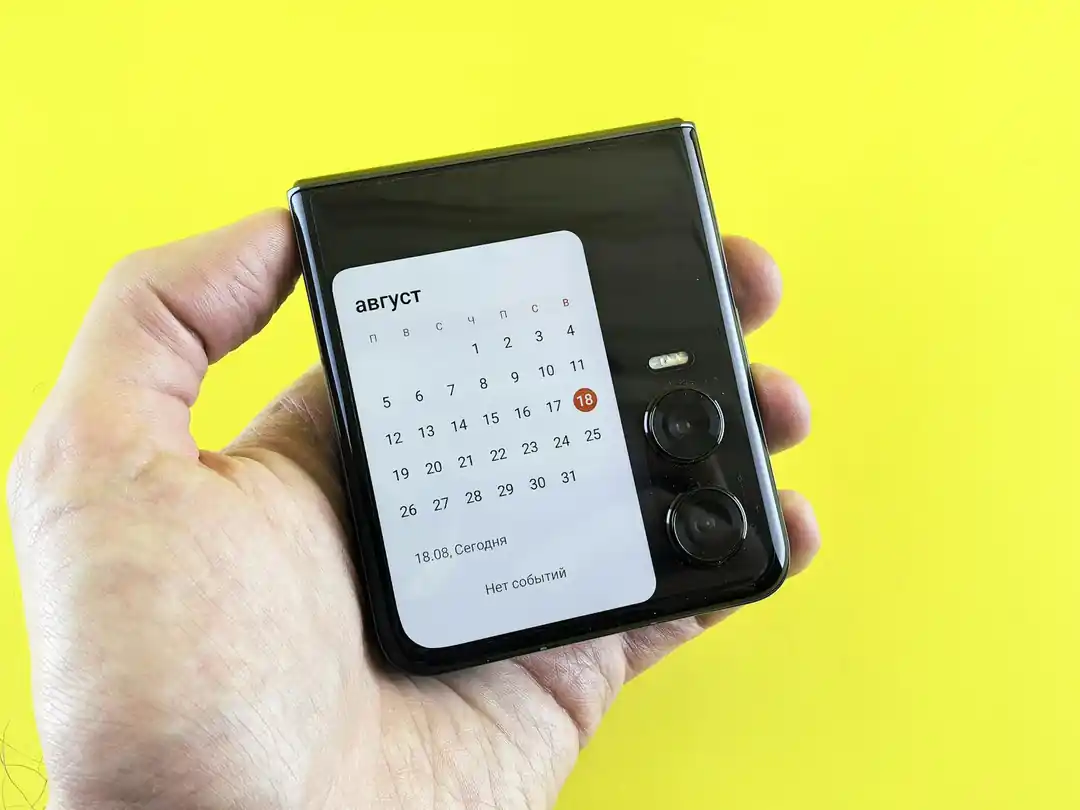
From Fragile to Formidable: The Surprising Evolution of Foldable Phone Durability
Remember when the idea of folding a smartphone screen in half felt like a disaster waiting to happen? Let's talk about how far they've come, because the story is pretty incredible.

Popular Posts

Rethinking Non-Profit Promotion: Creative Strategies That Actually Drive Event Impact

Beyond Stark White: The Best Interior Paint Colors to Light Up Your New Space

How to Actually Master a New Language on Your Own (No Magic Gene Required)
