Liquid Gold or Money Pit? How to Evaluate a Whiskey Distillery Investment
Investing in a whiskey distillery sounds romantic, but it's a complex world of finance, patience, and brand-building. Here’s how to tell a future classic from a costly mistake.
There’s a certain romance to whiskey, isn’t there? The warm, amber glow in a glass, the complex dance of aromas, the slow burn that tells a story of grain, wood, and time. It’s easy to get swept up in that narrative and see a whiskey distillery not just as a producer of fine spirits, but as a golden-ticket investment. The idea of owning a piece of that legacy, of turning barley and corn into "liquid gold," is undeniably alluring. But behind the craft and lore is a business of immense complexity, one where fortunes can be made or quietly lost to the "angel's share."
Honestly, I’ve walked through enough distilleries to know that the scent of aging whiskey can be intoxicating in more ways than one. It can make you forget that you’re standing in a capital-intensive manufacturing plant that’s also a highly regulated, long-term agricultural project. Investing in a distillery requires a sober, calculated approach that looks far beyond a charismatic founder and a tasty dram. You need to be part financial analyst, part supply chain expert, and part brand strategist to truly see the potential—or the peril.
Before you pour your capital into a distillery, it’s essential to understand the landscape. The American craft spirits scene has exploded, but it's also maturing. The days of simply opening a distillery and expecting customers to flock to you are over. Today's investors need to be far more discerning, asking the tough questions that separate a passion project from a profitable enterprise.
The Financials: More Than Just Revenue Multiples
First things first, let's talk numbers. A distillery's financial health is the bedrock of its investment potential. While you'll hear rules of thumb, like valuing a distillery at 0.8x to 1.5x its gross revenue, these are just starting points. You need to dig much, much deeper. Start with at least three to five years of financial statements. You're looking for consistent growth, healthy margins, and a clear understanding of the cost structure.
A key metric to obsess over is EBITDA (Earnings Before Interest, Taxes, Depreciation, and Amortization). It gives you a clearer view of the distillery's operational profitability by stripping out financing and accounting decisions. Distilleries often trade in the 4x to 8x EBITDA range, but that multiple depends heavily on brand strength and growth prospects. A distillery with a strong brand and solid distribution might command a higher multiple, while one needing significant equipment upgrades will fall on the lower end.
Don't forget to scrutinize the Cost of Goods Sold (COGS). This includes everything from grain and yeast to bottles and labels. For a craft distillery, a healthy gross margin should be in the 40% to 60% range. If it’s lower, you need to understand why. Are they paying too much for raw materials? Is their production process inefficient? These are critical questions. And remember, cash flow is king. The long aging process for whiskey means capital is tied up for years. A distillery must have enough working capital to survive the lean years before its aged spirits are ready for market.
The Inventory: A Double-Edged Sword
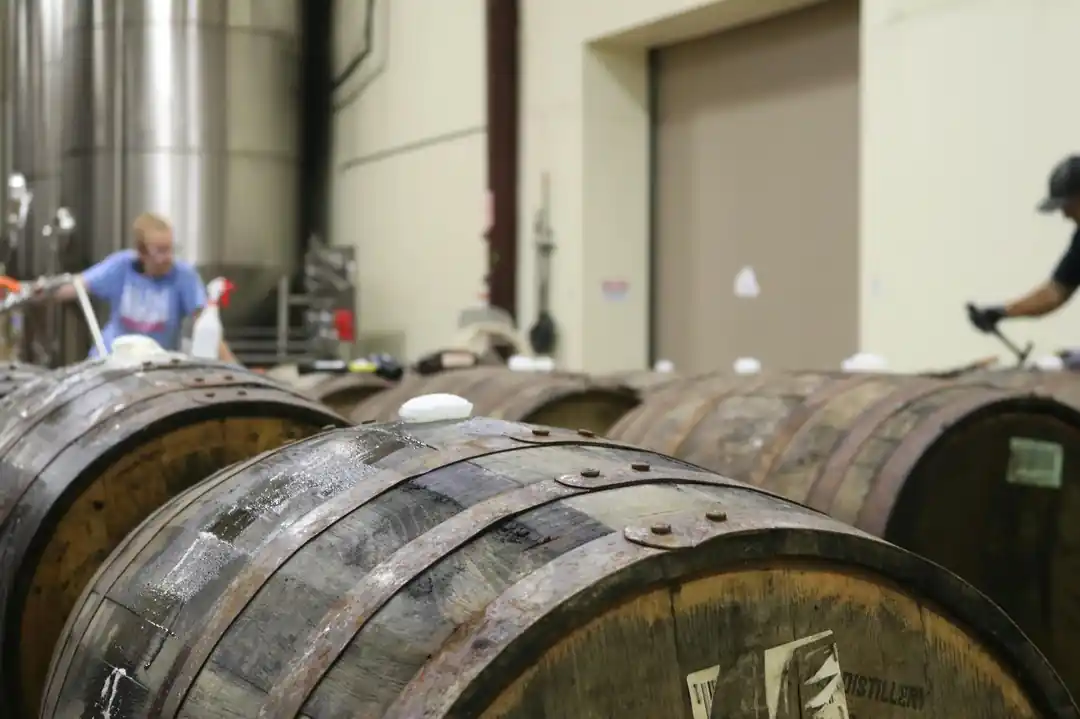
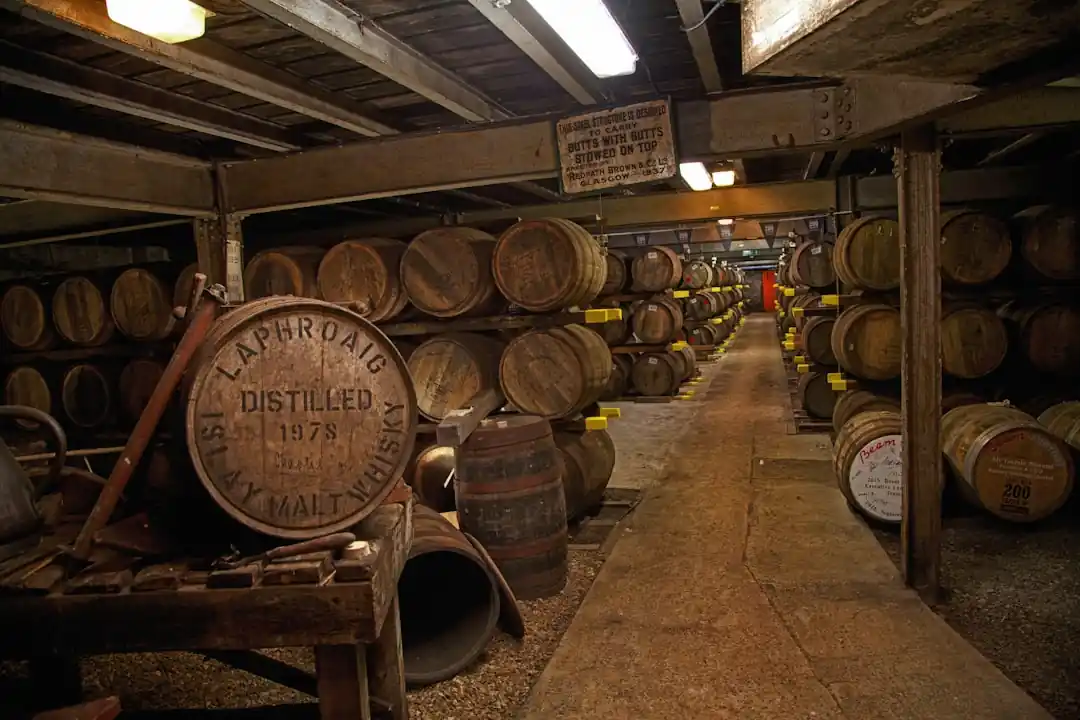
In most businesses, inventory is a simple asset. In a distillery, it's a living, breathing part of the valuation that is incredibly complex. The barrels of aging whiskey in the rickhouse are the company's future, but they also represent a massive amount of tied-up capital. Valuing this inventory is one of the trickiest parts of the process. Is it valued at cost? At its current market value? Or at its projected future value?
Typically, aging inventory is valued at the cost to produce it plus a markup that can range from 10% to 30%. Some brokers even use a per-barrel valuation, which can be anywhere from $200 to over $1,000 for older, single-barrel selections. You need to get a clear, independent assessment of the inventory's quality and quantity. How much is there? What is its age profile? Is the quality consistent? An audit of the barrels is not just recommended; it's essential.
This aging inventory is a significant risk and a significant reward. The "angel's share"—the 2-5% of spirit that evaporates from the barrel each year—is a real cost. Over a decade, that can be a substantial loss of product. However, a well-managed stock of aging whiskey is also what creates the high-value, premium products that drive profitability. Understanding this balance is key to not overpaying for future promises.
Brand, Distribution, and Regulatory Hurdles
A distillery could have the best whiskey in the world, but if no one knows about it and it can't get to market, it's a failing business. Brand equity is a powerful, if intangible, asset. How strong is the distillery's brand? Does it have a loyal following? Does it have a compelling story that resonates with consumers in a crowded market? Look at their social media presence, customer reviews, and any awards they've won. A strong brand can justify premium pricing and create a moat around the business.
Distribution is the other side of that coin. A distillery's route to market is its lifeline. Do they have strong relationships with distributors? Or do they rely primarily on direct-to-consumer sales through their tasting room? A healthy mix is often ideal. Tasting room sales offer high margins, while a robust distribution network provides scale and brand recognition. Be wary of a distillery with limited distribution and no clear plan to expand it.
Finally, never underestimate the burden of regulation. The spirits industry is a minefield of federal, state, and local laws. You must verify that the distillery is fully compliant with all its permits and licenses, from its federal distilled spirits permit to local zoning ordinances. Any compliance issues can become a costly and time-consuming nightmare for a new owner.
The People and the Process
At the end of the day, a distillery is only as good as the people who run it and the equipment they use. Evaluate the expertise of the master distiller and the production team. Do they have a track record of producing high-quality, consistent spirits? Is there a succession plan in place if the master distiller leaves? The intellectual property of the recipes and processes is a valuable asset that needs to be protected.
You also need to conduct a thorough inspection of the physical assets. How old is the equipment? What is the condition of the stills, the mash tun, and the bottling line? What is the distillery's maximum production capacity, and how close are they to reaching it? A distillery that requires significant capital investment just to maintain its current operations is a much riskier bet than one with modern, well-maintained equipment and room to grow.
Investing in a whiskey distillery can be a deeply rewarding journey, both financially and personally. But it's a decision that must be grounded in rigorous due diligence, not romanticism. By carefully evaluating the financials, the inventory, the brand, and the operations, you can make an informed decision and, hopefully, find yourself the proud owner of a business that will only get better with age.

Uncorking Your Dream: A Financial Guide to Starting a Small Distillery
Is Investing in Whiskey Casks the Liquid Gold Rush You've Been Waiting For?
Related Posts
 BUSINESS
Rethinking Non-Profit Promotion: Creative Strategies That Actually Drive Event Impact
Discover modern, research-backed strategies for promoting non-profit fundraisers, from experiential marketing to hyper-local micro-influencers and cross-sector partnerships.
 BUSINESS
Is the TV Ad Dead? A Deep Dive into Cost and Effectiveness in 2024
In an age of streaming and scrolling, is a TV commercial still a smart bet for brands? We're breaking down the real costs and surprising effectiveness of television advertising today.
Popular Posts
Rethinking Non-Profit Promotion: Creative Strategies That Actually Drive Event Impact

Beyond Stark White: The Best Interior Paint Colors to Light Up Your New Space

How to Actually Master a New Language on Your Own (No Magic Gene Required)
