The Solo Female Traveler's Guide to Morocco: A Deep Dive into Safety
Dreaming of a solo trip to Morocco? It's a question I get asked all the time. Let's walk through the realities, the precautions, and the absolute magic of exploring this country on your own.
Morocco. The name itself feels like an incantation, summoning visions of vibrant, spice-laden souks, intricate tilework glowing in the afternoon sun, and the deep, profound silence of the Sahara desert under a blanket of stars. It’s a country that has long held a top spot on my travel list, a place that promises a feast for the senses. But as a woman who often travels alone, the question inevitably bubbles to the surface, whispered by well-meaning friends and echoed in online forums: "But is it safe for a solo female traveler?"
It’s a valid question, and one that deserves a thoughtful, nuanced answer, not a simple yes or no. I’ve spent countless hours diving into travel reports, speaking with other women who have made the journey, and parsing through cultural guides. The consensus is clear: Morocco is not only a feasible destination for a solo woman, but an incredibly rewarding one. However, it’s a journey that demands preparation, awareness, and a respect for a culture that is likely very different from your own.
Forget the sensationalized headlines and the outdated travel tales. The reality of traveling in Morocco today is one of contrasts—of bustling, modern cities and ancient, timeless traditions. It’s a place where you can feel the profound warmth of human connection and, at times, the discomfort of unwanted attention. The key to navigating this beautiful complexity lies not in fear, but in knowledge. So, let's have a real conversation about what it takes to travel through Morocco safely, confidently, and with an open heart.
The Art of Dressing: Blending In and Staying Comfortable
One of the first and most practical considerations for a woman traveling in Morocco is clothing. This isn't about surrendering your personal style, but about adapting it to show respect for a conservative Muslim culture. Honestly, this simple act can dramatically and positively impact your entire experience. Dressing modestly is the most effective tool in your arsenal for minimizing unwanted attention and encouraging more respectful interactions. It’s a non-verbal signal that you are aware of and honor the local customs.
So, what does "modest" actually mean in this context? Think loose, flowing, and opaque. Your go-to items will be long skirts and maxi dresses, loose-fitting trousers like linen pants or culottes, and tops that cover your shoulders and cleavage. While you'll see tourists in Marrakech wearing all sorts of things, you will generally feel more comfortable and less conspicuous if you avoid shorts, short skirts, and tank tops, especially when venturing outside the major tourist hubs. It’s also incredibly practical—covering up protects you from the intense Moroccan sun.
A large, lightweight scarf or pashmina is the single most valuable accessory you can pack. It’s a true multi-tool: you can drape it over your shoulders for extra coverage, use it to cover your head if you choose to enter a mosque or religious site, or wrap it around your neck for a bit of warmth on a cool desert evening. I’ve found that the simple act of having a scarf handy provides a sense of security and preparedness. It’s an easy way to adapt to your surroundings and feel more integrated into the local rhythm.
Navigating the Medina and Managing Attention
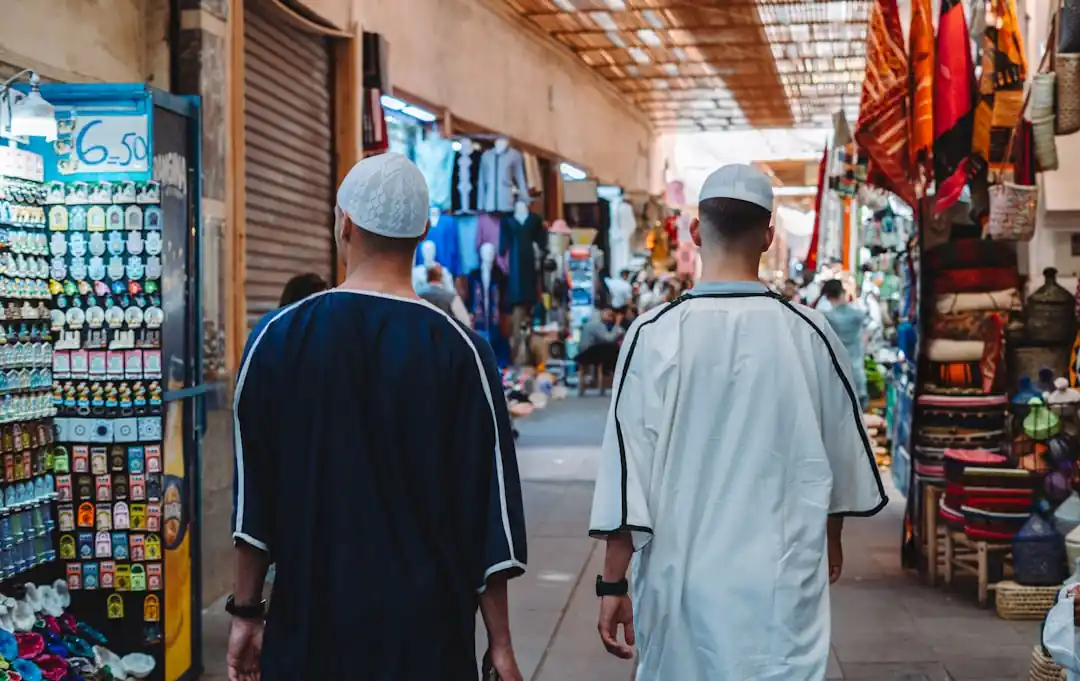
The medinas of cities like Fes and Marrakech are the historical and cultural heartbeats of Morocco. They are intoxicating, labyrinthine worlds of narrow alleyways, bustling souks, and hidden courtyards. Getting lost in them is part of the adventure, but it’s also where you’re most likely to encounter the more persistent aspects of Moroccan street life, namely the unsolicited "guides" and catcalling. It’s crucial to understand that while street harassment can be annoying and frustrating, it is very rarely a physical threat.
The best way to handle unwanted attention is with a strategy of confident indifference. Walk with purpose, even if you’re not entirely sure where you’re going. Avoid making prolonged eye contact with men who are trying to get your attention. A simple, firm "La, shukran" (No, thank you) without breaking your stride is usually sufficient to end an interaction. Wearing sunglasses can also be a surprisingly effective tool, creating a subtle barrier and making it easier to avoid direct eye contact.
When it comes to navigation, be wary of the "faux guides"—men who approach you offering to show you the way, often telling you a particular street is closed to lure you into their friend's shop. If you are genuinely lost, it's much safer to ask a woman, a family, or a shopkeeper for directions. Hiring an official, licensed guide for your first day in a new city can be a fantastic investment. They can help you get your bearings, teach you a few key phrases, and give you the confidence to explore on your own for the rest of your trip.
Smart Choices in Accommodation and Transport
Where you choose to sleep and how you get around are foundational to your safety and peace of mind. For accommodation, I wholeheartedly recommend staying in riads. These traditional Moroccan houses, built around a central courtyard, are often family-run and offer a tranquil, secure oasis away from the hustle of the streets. They provide a wonderful opportunity to experience Moroccan hospitality firsthand. Before booking, take the time to read reviews from other solo female travelers—their insights are invaluable.
When it comes to transport, be strategic. For travel between cities, the train network is modern, comfortable, and generally very safe. Opting for a first-class ticket can provide a bit more space and security. Within cities, use the official "petit taxis" and insist that the driver uses the meter. If they refuse, simply get out and find another. At night, it’s always wisest to avoid walking alone, especially in unfamiliar areas. Have your riad call a trusted taxi for you or use a ride-sharing app if available.
For longer excursions, like a trip into the Sahara, it is absolutely essential to book with a reputable and well-reviewed tour company. This is not the time to cut corners. A good company will ensure your guide is professional, your accommodation is safe, and your experience is positive. These tours are also a fantastic way to meet other travelers, sharing the profound experience of a desert sunset or a night in a Berber camp with new friends.
Morocco is a country that challenges you, that pushes you to be more aware, more patient, and more open. It’s a place that doesn’t hand you its secrets easily. But for the solo female traveler willing to do the work—to dress with respect, to walk with confidence, and to engage with intention—the rewards are immeasurable. It is the warmth of a shared pot of mint tea, the kindness of a stranger giving honest directions, the breathtaking beauty of a landscape that has remained unchanged for millennia. It is a journey that will not only show you the world, but also show you your own strength.
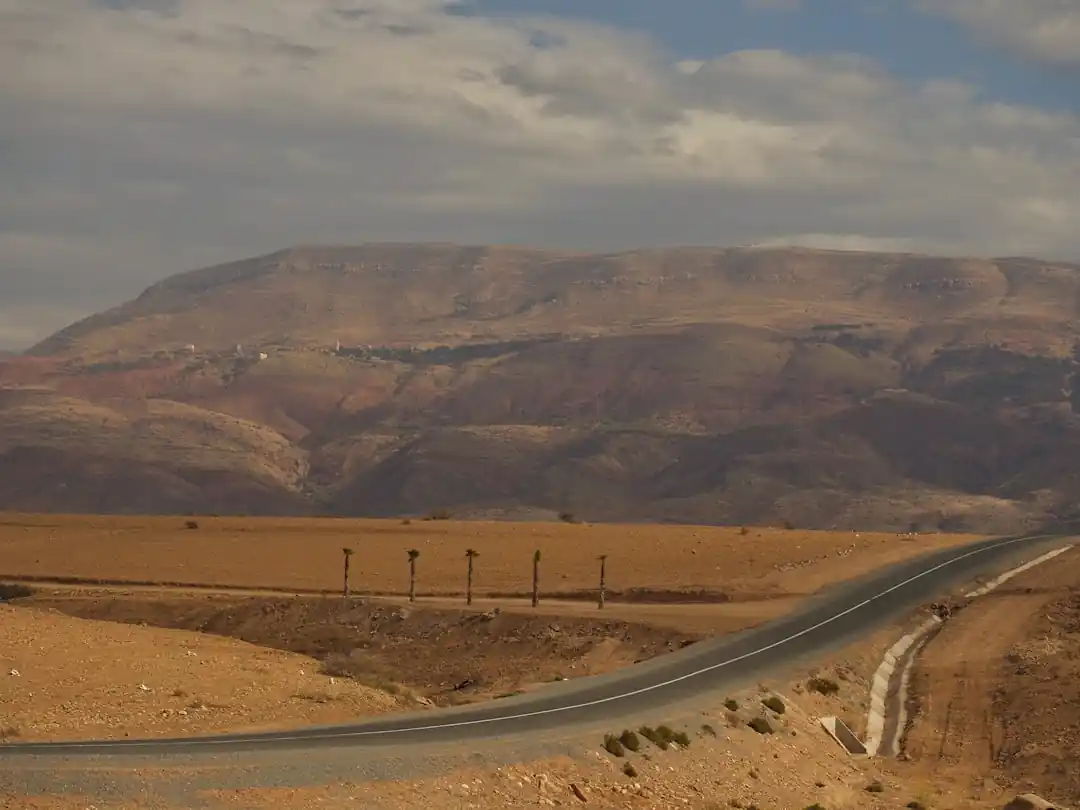
The Ultimate Guide to Renting a Car and Driving in Morocco
Georgia Winter Travel: Your Guide to Checking Road Closures

Related Posts
 TRANSPORT
Beyond the Highway: Finding Canada's Soul on a Western Rail Adventure
Forget road trips. I'm talking about rediscovering the romance of travel on Via Rail's most scenic routes through the heart of the Canadian West. It’s an experience that changes you.
 TRAVEL TIPS
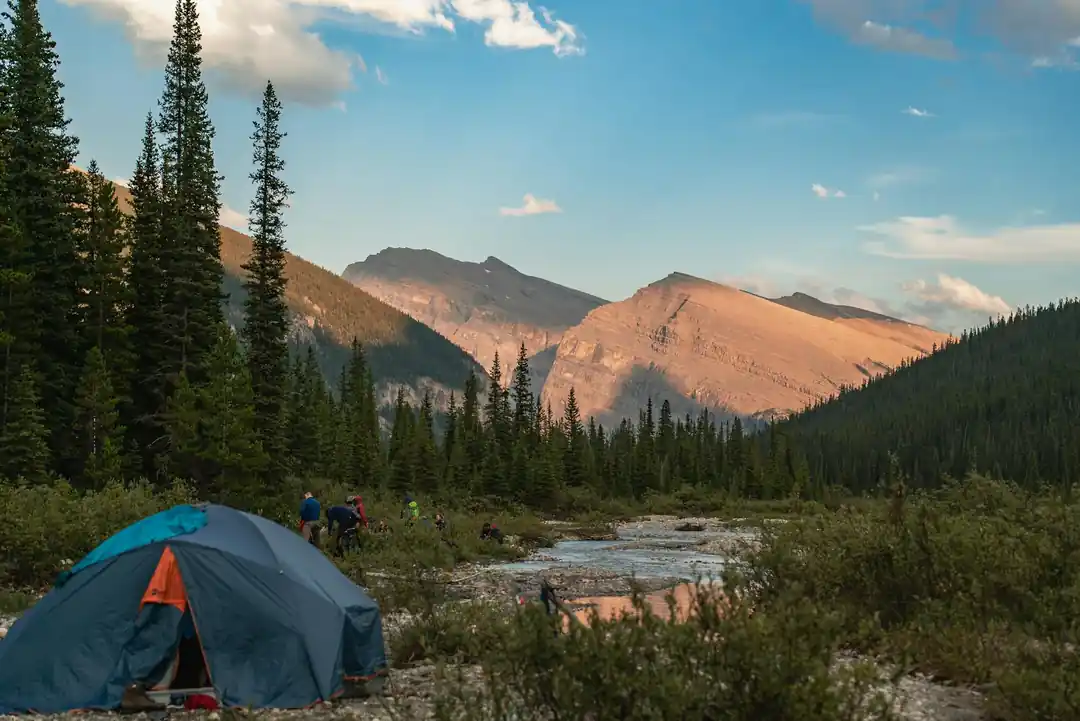
The Unwritten Rules of the North: What to Know Before Camping in Canada
Heading to the Great White North for a camping trip? It's an amazing idea. But from campfire etiquette to wildlife wisdom, here’s what you need to know before you go.
Popular Posts

Rethinking Non-Profit Promotion: Creative Strategies That Actually Drive Event Impact

Beyond Stark White: The Best Interior Paint Colors to Light Up Your New Space

How to Actually Master a New Language on Your Own (No Magic Gene Required)
