Beyond the numbers and legaldoc, estate planning is about more than just money. It's about the stories, memories, and love embedded in the items we cherish. This is how you plan for them.
When we hear the term "estate planning," our minds almost instinctively jump to the big-ticket items: the house, the investment portfolio, the savings accounts. It’s a world of numbers, legal documents, and financial advisors. And while that’s all critically important, I’ve come to realize that for many of us, the most emotionally charged part of our legacy has almost nothing to do with monetary value. It’s about the worn-out rocking chair where you read bedtime stories, the collection of vinyl records that scored your teenage years, or the chipped ceramic mug your child made for you in a long-ago art class.
Honestly, I used to think a simple line in a will—"divide all personal property equally among my children"—was enough. It sounds fair, right? But what does "fair" even mean when one child has a deep emotional connection to your wedding china and another would rather have your old toolbox? I’ve seen families, knit together by love and shared history, unravel over these seemingly small things. It’s rarely about greed. It’s about feeling seen, loved, and connected to the past.
This is the heart of the matter. Planning for your sentimental items isn't just a logistical task; it's an act of profound love. It’s about acknowledging that the most valuable things we own are the ones that hold our stories. Taking the time to address this now is one of the greatest gifts you can give to the people you'll one day leave behind, ensuring your legacy is one of harmony, not heartache.
Why "Equal" Isn't Always "Fair"
The fundamental challenge with sentimental items is that their value is deeply personal and wildly subjective. You can’t split a grandfather clock down the middle, and you can’t put a price on the flood of memories that a simple, hand-knitted blanket can unleash. When we try to apply a purely financial lens to these objects, we miss the point entirely. A sibling who wants the old family piano may not care about its market value; they care about the memory of their mother playing carols on it every Christmas Eve.
This emotional calculus is where things get tricky. When a loved one passes, grief is a heavy, disorienting fog. If your estate plan doesn't provide a clear map for your personal belongings, you’re leaving your heirs to navigate a minefield of unspoken expectations and emotional attachments. One person might feel they "deserve" an item because they spent more time with you, while another believes it belongs to them because they share the hobby associated with it.
Without your guidance, these feelings can fester. What starts as a simple disagreement over a piece of jewelry can escalate into a proxy war for your affection and validation. It’s a tragic and unfortunately common scenario. The key is to shift the goal from a strictly "equal" distribution of monetary value to an "equitable" distribution of emotional and historical significance.
The Power of a Conversation
So, where do you begin? It starts not with a lawyer, but at your own kitchen table. The single most effective strategy for handling sentimental items is to talk about it—openly, honestly, and before it becomes a crisis. I know it can feel awkward. Discussing what happens after you're gone is a conversation most of us would rather avoid. But framing it as a discussion about stories and memories, rather than about death, can change everything.
Ask your children, grandchildren, or other loved ones what items in your home are special to them. You might be completely surprised by their answers. The painting you think is a masterpiece might be overlooked in favor of a quirky souvenir from a family vacation. These conversations are invaluable. They provide you with a direct understanding of what matters to your family, allowing you to make informed decisions that honor their feelings.
Some families have turned this into a lovely, low-pressure activity. They might walk through the house and place colored stickers on items, with each person getting a different color. It’s a visual, non-confrontational way to see where desires overlap and to start a dialogue. "Oh, you love that old cuckoo clock too? I remember when Dad brought it back from Germany..." Suddenly, you're not dividing assets; you're sharing stories.
From Conversation to Concrete Plan
Once you have a sense of everyone's wishes, it's time to make it official. While you can certainly include specific bequests in your will, listing dozens of small items can make the document cumbersome and expensive to update. A far more practical tool for this job is a Personal Property Memorandum (PPM). This is a separate document, referenced in your will, where you can list specific items and who you want to receive them.
The beauty of a PPM is its flexibility. Did your granddaughter's tastes change? Did you acquire a new piece you want to designate for your son? You can simply update the PPM yourself, sign it, and date it, without needing to formally amend your will. It’s a simple, powerful way to keep your wishes current. In this document, you can also explain why you’re giving a particular item to someone, which can be incredibly meaningful and help prevent hurt feelings.
For items desired by multiple people, or for the remainder of your belongings, you can get creative. Some families use a lottery system, drawing numbers to decide the order of selection. Others create a "draft" where family members take turns choosing items. This can be a fair and even fun way to handle the distribution, giving everyone a sense of agency. The goal is to create a process that feels transparent and equitable to everyone involved.
A Legacy of Peace
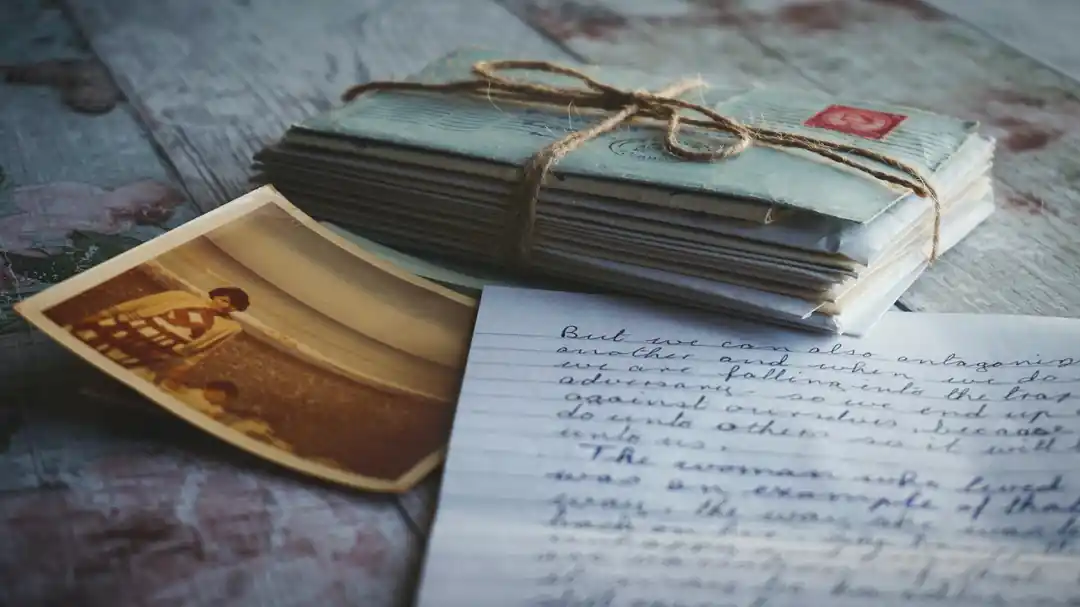
Ultimately, planning for the distribution of your sentimental possessions is about so much more than just "stuff." It's about foresight, kindness, and a deep understanding of your family's emotional landscape. It’s about recognizing that the chipped teacup, the worn-out armchair, and the box of old photographs are the threads that weave the tapestry of your family’s story.
By taking these steps now, you are giving your loved ones a final, profound gift: the gift of peace. You are removing a potential source of conflict and stress during their time of grief, allowing them to focus on remembering you and supporting one another. You are ensuring that your legacy is not one of discord over possessions, but one of love, connection, and cherished memories. And honestly, there is no greater inheritance than that.
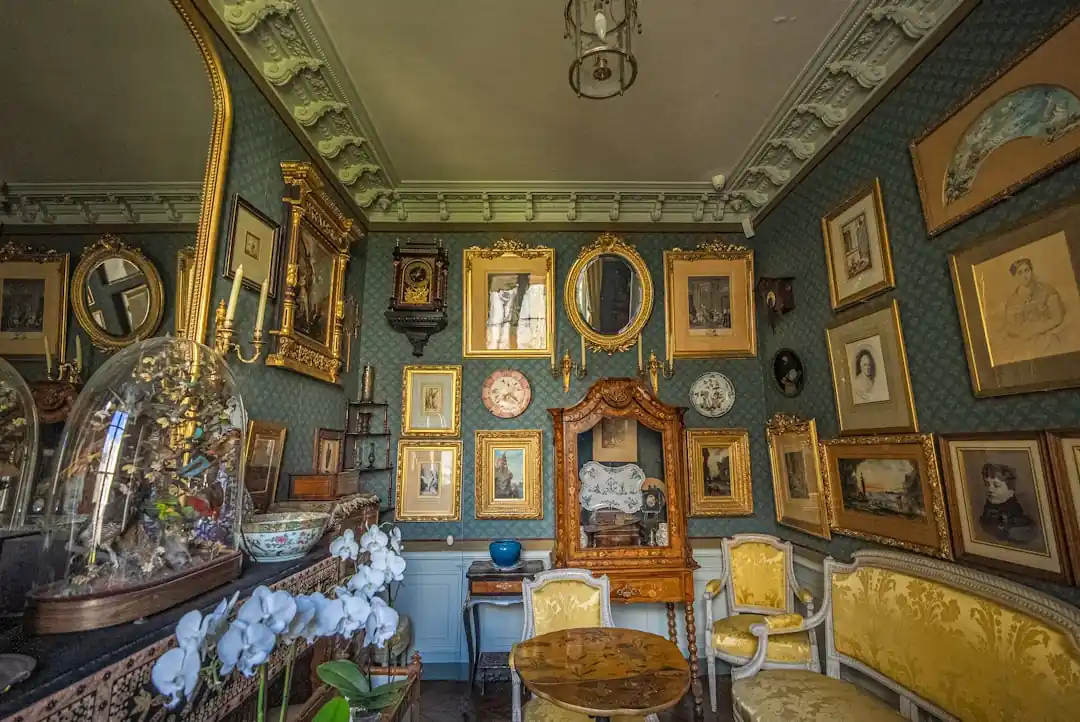
Beyond the Stock Market: A Beginner's Guide to Investing in Art and Antiques
Build a Resilient Body: The Best Exercises for Sports Injury Prevention

Related Posts
 BUSINESS
Rethinking Non-Profit Promotion: Creative Strategies That Actually Drive Event Impact
Discover modern, research-backed strategies for promoting non-profit fundraisers, from experiential marketing to hyper-local micro-influencers and cross-sector partnerships.
 BUSINESS
Is the TV Ad Dead? A Deep Dive into Cost and Effectiveness in 2024
In an age of streaming and scrolling, is a TV commercial still a smart bet for brands? We're breaking down the real costs and surprising effectiveness of television advertising today.

Popular Posts
Rethinking Non-Profit Promotion: Creative Strategies That Actually Drive Event Impact

How to Actually Master a New Language on Your Own (No Magic Gene Required)

The Simple Pre-Workout Fueling Strategy That Saved My Long Runs