The Stock Market Isn't the Economy: Untangling the Ticker from the Truth
We're often told that a rising stock market means a healthy economy, but is that the whole story? Let's take a closer look at the complicated relationship between Wall Street and Main Street.
It’s a narrative we’ve heard a thousand times. The anchor on the evening news announces the Dow Jones Industrial Average surged, and the tone implies we should all be celebrating. Conversely, when the market tumbles, there's a palpable sense of doom, as if a nationwide economic crisis is imminent. For years, I took this connection as gospel. A rising market meant prosperity for all, and a falling one spelled trouble. It just felt intuitive.
But the more I've paid attention, the more I've realized the relationship between the stock market and the U.S. economy is less like a perfect mirror and more like a funhouse one—reflecting a version of reality that is often distorted and exaggerated. They are linked, absolutely, but they are not the same entity. The stock market is a fast-paced, forward-looking beast, while the economy is a vast, slower-moving giant. Understanding the difference is key to not getting swept up in the market's daily drama.
Honestly, it can be jarring. You might see headlines about the S&P 500 reaching all-time highs at the same time that you, your friends, or your family are feeling the squeeze of inflation or uncertainty in the job market. This isn't a contradiction; it's a symptom of the fundamental disconnect that can exist between the two. The stock market is playing a different game, with different rules and a different set of players.
The Market's Crystal Ball: A Glimpse into the Future?
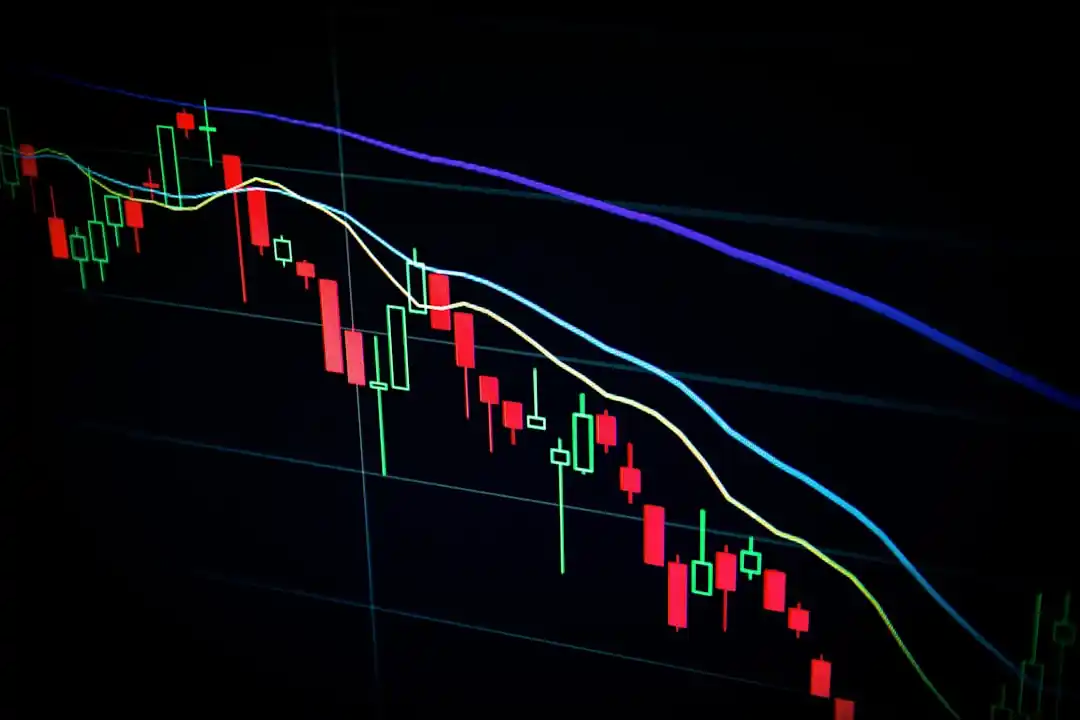
One of the primary reasons the stock market gets so much attention is its role as a "leading indicator." In simple terms, the market is constantly trying to price in the future, today. Investors and traders are not just reacting to a company's performance last quarter; they are making educated guesses—and sometimes, wild speculations—about where that company and the broader economy will be in six to nine months. It’s a collective bet on future corporate profits.
Think about it this way: if investors believe that a wave of innovation is coming, or that consumer spending is about to ramp up, they'll buy stocks in anticipation of that growth. This collective optimism can push the market up long before the positive effects are seen in official economic data like GDP growth or employment numbers. The reverse is also true. If the consensus is that a recession is on the horizon, the market will often start to decline before unemployment rates begin to tick up. It’s a barometer of sentiment, and that sentiment can be a powerful, self-fulfilling prophecy.
However, this crystal ball is notoriously fickle. As the economist Paul Samuelson famously quipped, the stock market has predicted nine of the last five recessions. It's prone to overreactions based on fear, greed, and the herd mentality of investors. A geopolitical shock or a policy announcement from the Federal Reserve can send ripples through the market that are disproportionate to their real-world economic impact. So, while it offers clues, it's far from an infallible guide to the future.
The Great Disconnect: Why Wall Street and Main Street Diverge
The most confusing moments are when the stock market seems to be living in an entirely different universe from the everyday economy. We saw a stark example of this during the COVID-19 pandemic. As businesses closed and unemployment skyrocketed to levels not seen since the Great Depression, the stock market, after a brief and terrifying plunge, staged a shockingly swift recovery. How could the market be thriving when so many were suffering?
There are a few key reasons for this disconnect. First, massive government stimulus and intervention by the Federal Reserve can create a safety net for the market that doesn't exist for the average person. When interest rates are slashed to near-zero and trillions of dollars are pumped into the financial system, that money has to go somewhere. A lot of it flows into stocks, pushing prices up regardless of the underlying economic reality. It creates an environment where asset prices are inflated by policy, not just by organic growth.
Second, the composition of major stock indexes like the S&P 500 is not a perfect representation of the U.S. economy. These indexes are dominated by a handful of mega-cap technology and multinational corporations. Companies like Apple, Microsoft, and Amazon have global revenue streams and business models that can be resilient to, or even benefit from, domestic economic downturns (think of the shift to e-commerce and remote work). The struggles of a local restaurant or a small manufacturing business, which form the backbone of Main Street, have virtually no impact on the movement of the S&P 500.
So, What Should We Watch?
If the stock market isn't a reliable gauge of economic health, what is? The truth is, you need a more balanced dashboard. Instead of just looking at the Dow, it's important to pay attention to the metrics that reflect the real-world conditions for most Americans. The monthly jobs report, the Consumer Price Index (CPI) for inflation, GDP growth, and consumer sentiment surveys all paint a much more comprehensive picture.
This doesn't mean you should ignore the stock market. It is a vital part of our economy, and its performance does have real-world consequences, particularly through what's known as the "wealth effect." When people's 401(k)s and investment accounts are growing, they feel more financially secure and are more likely to spend money, which in turn boosts the economy. But it's crucial to see it as just one piece of a very large and complex puzzle.
Ultimately, learning to separate the market's daily mood swings from the economy's fundamental health is a form of financial literacy. It allows you to be a more informed citizen and a more level-headed investor. The economy is the ship, and the stock market is the weather. The weather can be stormy and unpredictable, but it doesn't always determine the ship's ultimate destination. Here's to navigating the waters with a clearer map.

Recession-Proof Investing: A Beginner's Guide to Building a Resilient Portfolio
Your Financial Umbrella: Why an Emergency Fund is Non-Negotiable in Today's Economy

Related Posts
 BUSINESS
Rethinking Non-Profit Promotion: Creative Strategies That Actually Drive Event Impact
Discover modern, research-backed strategies for promoting non-profit fundraisers, from experiential marketing to hyper-local micro-influencers and cross-sector partnerships.
 BUSINESS
Is the TV Ad Dead? A Deep Dive into Cost and Effectiveness in 2024
In an age of streaming and scrolling, is a TV commercial still a smart bet for brands? We're breaking down the real costs and surprising effectiveness of television advertising today.

Popular Posts
Rethinking Non-Profit Promotion: Creative Strategies That Actually Drive Event Impact

Beyond Stark White: The Best Interior Paint Colors to Light Up Your New Space

How to Actually Master a New Language on Your Own (No Magic Gene Required)