Dreaming of a Norwegian road trip? Here’s everything you need to know about driving in Norway with a US license, from critical road rules to navigating those scenic fjord routes.
There’s a certain magic to the idea of a Norwegian road trip, isn’t there? It’s a dream painted with strokes of dramatic fjords, impossibly green valleys, and roads that carve through mountains like something out of a fantasy novel. I remember scrolling through photos, thinking that the only way to truly capture the soul of this country was from behind the wheel of a car, with the freedom to chase the horizon. The ability to pull over whenever a staggering viewpoint appears, or to take a detour down a quiet country lane, is a travel style that just can't be beaten.
But with that dream comes the practical side of planning. For many of us in the US, the first big question is a logistical one: are we even allowed to drive there? It can feel a little daunting, navigating the rules of a foreign country. The good news is that it's not only possible, but it's also surprisingly straightforward. You just need to know a few key things before you go.
So, let's get into it. Think of this as your friendly guide to hitting the road in Norway, put together from hours of research and a genuine passion for helping others explore this incredible corner of the world. We'll cover everything from the legal requirements to the unwritten rules of the road, ensuring you feel confident, safe, and ready for the adventure of a lifetime.
Getting Legal: Your License and Other Essentials
Let's start with the most important piece of paper: your driver's license. For tourists visiting from the United States, you can drive in Norway with your valid, state-issued driver's license for up to three months. This is a huge plus, as it cuts down on a lot of pre-trip bureaucracy. As long as your license is current and not expired, you are legally good to go.
However, you’ll often hear about the International Driving Permit (IDP). Is it absolutely required? For American licenses, which are printed in English, the answer is generally no. Norwegian law accepts foreign licenses that are in English. That said, I would strongly, strongly recommend getting an IDP anyway. It’s an official, multi-language translation of your license, and it can be a lifesaver. If you get pulled over or are in a situation where you need to show your license to someone who isn't familiar with US state formats, an IDP provides instant clarity and authority. Some rental car agencies might even have it as part of their own policy, so it's better to be safe than sorry. You can easily get one from AAA before your trip.
Beyond your license, always have your passport with you as a form of identification. You'll also need to make sure your rental car has the mandatory insurance, which is standard practice for any reputable rental company. The minimum age to drive in Norway is 18, but be aware that most car rental companies require drivers to be at least 19 or even 21, and they often charge a "young driver" surcharge for anyone under 25.
The Rules of the Road: More Than Just Speed Limits
Driving on the right side of the road will feel familiar, but that’s where many of the similarities end. Norway is famously strict about its driving laws, and for good reason—the roads demand respect. First and foremost, your headlights must be on at all times. Not just at night or when it’s raining, but 24/7. This is a critical safety rule that’s easy to forget but essential to follow.
Speed limits are posted in kilometers per hour (km/h) and are generally lower than in the US. Expect around 80 km/h (about 50 mph) on open roads and much lower, 50 km/h (31 mph) or 30 km/h (19 mph), in built-up areas. Fines for speeding are incredibly high, so it’s just not worth the risk. Honestly, with views this good, you won’t want to rush anyway.
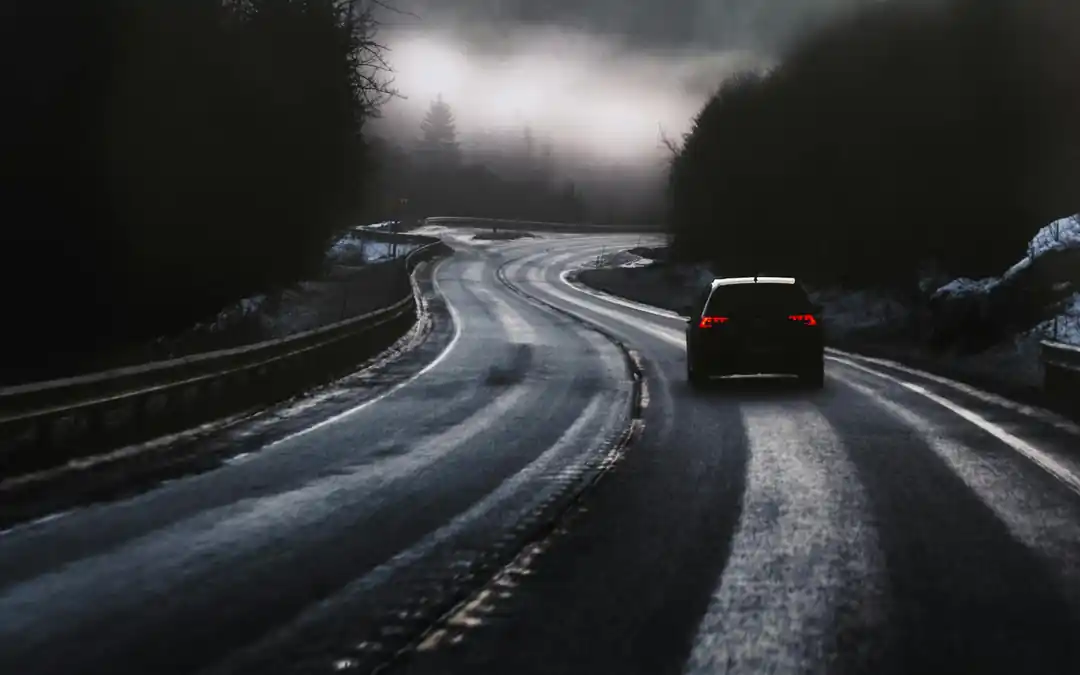
Perhaps the most important rule to internalize is the one about drinking and driving. Norway has a blood alcohol content (BAC) limit of 0.02%, which is practically zero tolerance. For comparison, the limit in the US is typically 0.08%. The best and only advice here is to completely avoid alcohol if you plan on driving. The penalties are severe, and it’s a rule that is enforced without exception.
Finally, seatbelts are mandatory for everyone in the car, both in the front and back seats. And when it comes to intersections, a key difference is that turning right on a red light is illegal unless there's a specific sign indicating otherwise. It’s a habit that can be hard to break for American drivers, so stay mindful at traffic lights.
Navigating the Landscape: Tunnels, Tolls, and Ferries
Norway’s geography is what makes it so spectacular, but it also presents some unique driving challenges. You will drive through a lot of tunnels—over 1,000 of them, in fact. Some are short and simple, while others are incredibly long and complex, featuring roundabouts and intersections deep inside the mountain. They are a marvel of engineering and a normal part of any Norwegian road trip.
Toll roads are also widespread. Most of them are automated, using a system called AutoPASS. When you rent a car, it will almost certainly come equipped with an AutoPASS transponder. Cameras will register your car as you pass through toll points, and the rental company will bill you for the accumulated charges after your trip is over. It’s a seamless system that means you don’t have to worry about stopping to pay with cash.
Because of the fjords, car ferries are an integral part of the highway system. They are essentially floating bridges that save you hours of driving. Don't be intimidated by them! The process is very smooth. You simply follow the signs for the ferry, line up in the designated queue, and wait to board. An attendant will often come to your car to take payment, or you'll pay at a booth before boarding. It’s a fantastic and scenic way to travel.
If you’re visiting between October and April, winter driving is a serious consideration. Many mountain passes can close, and conditions can be treacherous. By law, your vehicle must have tires appropriate for the conditions, which means winter tires (with or without studs) are mandatory during this period. Rental cars will be properly equipped, but it’s crucial to drive slowly, keep a safe distance from other cars, and always check road conditions before you set out.
Driving in Norway is an experience that stays with you. It’s a journey through some of the most awe-inspiring scenery on the planet. By understanding and respecting the rules, you’re not just ensuring your own safety, but you’re also showing respect for the country and its people. So, plan ahead, drive carefully, and get ready to create some unforgettable memories on the open roads of Norway.

Chasing the Ghost Dragon: An Honest Guide to Seeing the Northern Lights
Is This 7-Hour Train Ride the Most Beautiful Journey on Earth?
Related Posts
 TRANSPORT
Beyond the Highway: Finding Canada's Soul on a Western Rail Adventure
Forget road trips. I'm talking about rediscovering the romance of travel on Via Rail's most scenic routes through the heart of the Canadian West. It’s an experience that changes you.
 TRAVEL TIPS
The Unwritten Rules of the North: What to Know Before Camping in Canada
Heading to the Great White North for a camping trip? It's an amazing idea. But from campfire etiquette to wildlife wisdom, here’s what you need to know before you go.

Popular Posts

Rethinking Non-Profit Promotion: Creative Strategies That Actually Drive Event Impact

Beyond Stark White: The Best Interior Paint Colors to Light Up Your New Space

How to Actually Master a New Language on Your Own (No Magic Gene Required)
