The Yellowstone Question: How Many Days Do You Really Need?
Planning a trip to America's first national park? I get it, the sheer scale is intimidating. Let's break down how to plan the perfect trip, whether you have a weekend or a full week.
Let’s be honest, planning a trip to Yellowstone National Park can feel like a monumental task. It’s a place of legends, a sprawling 2.2-million-acre wilderness that sits on top of a supervolcano. Just looking at the map, with its two massive loops and countless points of interest, is enough to make your head spin. The single most common question I hear from friends is, "So, how many days do you really need to see it?" And the answer, truthfully, isn't one-size-fits-all. It's a delicate balance of your travel style, your budget, and what you hope to get out of the experience.
I’ve seen people try to "do" Yellowstone in a day, and I've met folks who spend a whole month exploring its backcountry. Before my first trip, I spent weeks reading blogs and travel guides, trying to find that magic number. What I learned is that while you can see some highlights in a short time, you need more time to truly feel the place. To let its wild, untamed spirit sink in. It’s not just about checking off geysers and waterfalls; it’s about giving yourself the time to watch a bison herd for an hour, to wait patiently for a geyser to erupt, and to just sit by a canyon rim and absorb the grandeur.
So, let's break it down. I've synthesized my research and experience into a guide to help you decide on the perfect length for your own Yellowstone adventure. Whether you're squeezing it into a long weekend or planning an epic vacation, this should give you a clear idea of what’s possible.
The Express Tour: 1-2 Days
If you only have one or two days, you're going to have to make some tough choices. A single day in Yellowstone is, frankly, a whirlwind. You’ll spend most of your time in the car, rushing from one major sight to the next. You could drive the lower loop, which is home to many of the park's most famous geothermal features. This would allow you to see Old Faithful, the Grand Prismatic Spring, and maybe catch a glimpse of the Grand Canyon of the Yellowstone. It’s a packed day, but it’s doable if you start early and stay late.
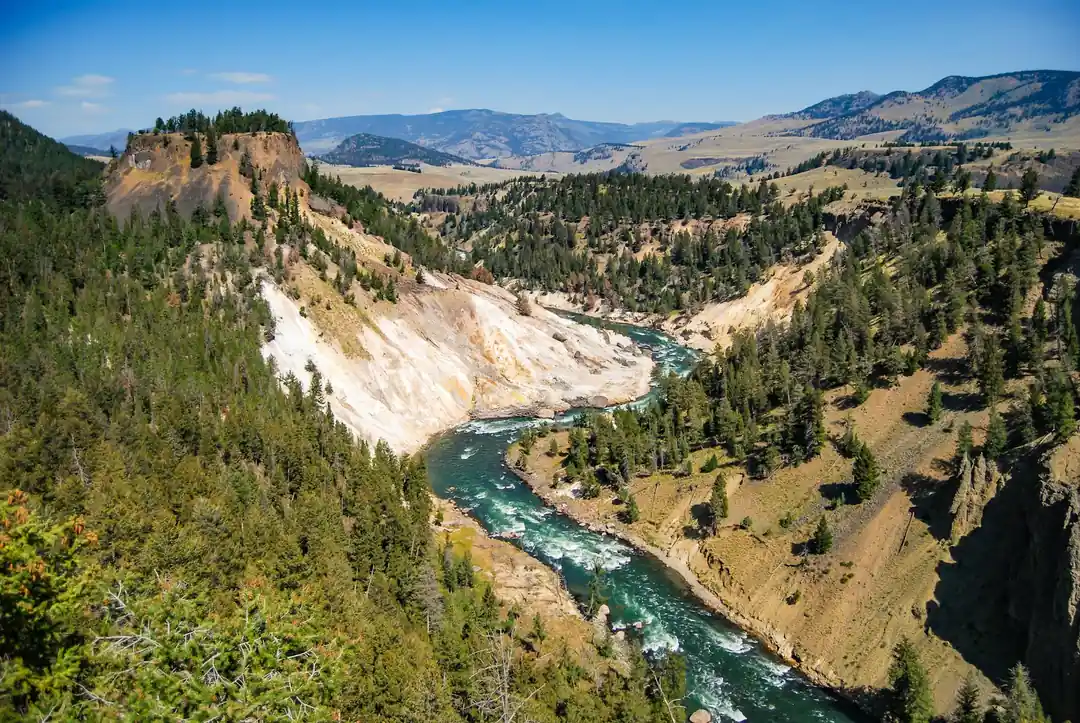
With two days, you have a bit more breathing room. You could dedicate one day to the geothermal wonders of the south loop (Old Faithful, Midway and Upper Geyser Basins) and the second day to the north loop, focusing on the Grand Canyon of the Yellowstone and Mammoth Hot Springs. This pace is still very fast, and you'll likely be exhausted. You won't have much time for any significant hikes or for lingering to watch wildlife.
Think of the 1-2 day trip as a sampler platter. You'll get a taste of Yellowstone's incredible diversity, but you'll miss out on the depth and the quiet moments that truly make the park special. It’s enough to make you want to come back for more, which isn't necessarily a bad thing. But if you can swing it, adding even one more day makes a world of difference.
The Sweet Spot: 3-4 Days
For most first-time visitors, three to four days is the ideal amount of time to spend in Yellowstone. This timeframe allows you to explore both the north and south loops at a much more comfortable pace, without feeling like you're constantly racing against the clock. You can dedicate entire mornings or afternoons to specific areas, truly immersing yourself in the landscape. Recent travel guides and park experts often cite this as the recommended duration for a comprehensive visit.
With three days, you can spend a full day focused on the geyser basins around Old Faithful, another day exploring the Grand Canyon of the Yellowstone and Hayden Valley, and a third day discovering Mammoth Hot Springs and the wildlife-rich Lamar Valley. This itinerary allows for a couple of short hikes, time to wait for geyser eruptions, and dedicated periods for wildlife spotting during the prime hours of dawn and dusk. You won't feel as rushed, and you'll have opportunities for those spontaneous moments of magic—like pulling over to watch a coyote hunt in a meadow.
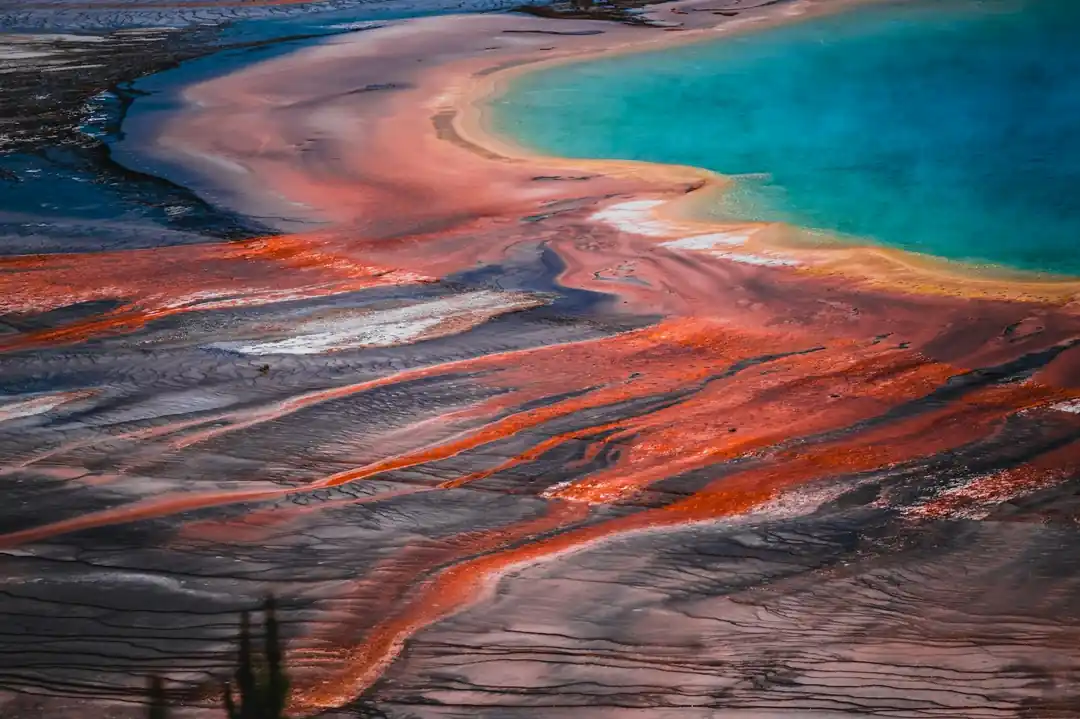
Adding a fourth day provides even more flexibility. You could use it to revisit a favorite area, tackle a longer day hike, or explore a less-visited part of the park like Yellowstone Lake and the West Thumb Geyser Basin. A four-day trip hits that perfect balance between seeing the iconic highlights and having the freedom to explore at a more relaxed pace. It’s enough time to feel like you’ve truly experienced the park, not just seen it through a car window.
The Deep Dive: 5+ Days
If you're an avid hiker, a passionate wildlife photographer, or simply someone who wants to soak in the wilderness without a deadline, then a trip of five days or more is your dream scenario. This extended timeframe opens up a whole new world of possibilities beyond the main tourist hubs. You can dedicate entire days to wildlife watching in the Lamar and Hayden Valleys, increasing your chances of spotting wolves or grizzly bears.
With five or more days, you can explore the park's extensive network of hiking trails. Imagine spending a full day hiking to a remote waterfall or an alpine lake, far from the crowds. You could rent a kayak on Yellowstone Lake, take a guided horseback ride, or attend more of the fascinating ranger programs offered throughout the park. This is where you move beyond being a tourist and start to feel like an explorer.
Furthermore, a longer trip allows you to be more responsive to the park's rhythms. You might hear about a wolf pack being active in a certain area and decide to spend your morning there. Or you could get a tip about a particularly spectacular geyser eruption and change your plans accordingly. Many people who plan a 5-7 day trip also combine it with a visit to the equally stunning Grand Teton National Park just to the south, which is an incredible experience in itself. This is the way to have a truly immersive, unforgettable adventure.
Ultimately, there's no wrong way to see Yellowstone. Every visit, no matter how short, is a chance to witness something extraordinary. But by matching the length of your stay to your personal travel style, you can ensure that your trip is not just a vacation, but a genuine connection with one of the most incredible wild places on Earth. I hope this helps you plan your own journey into its heart.
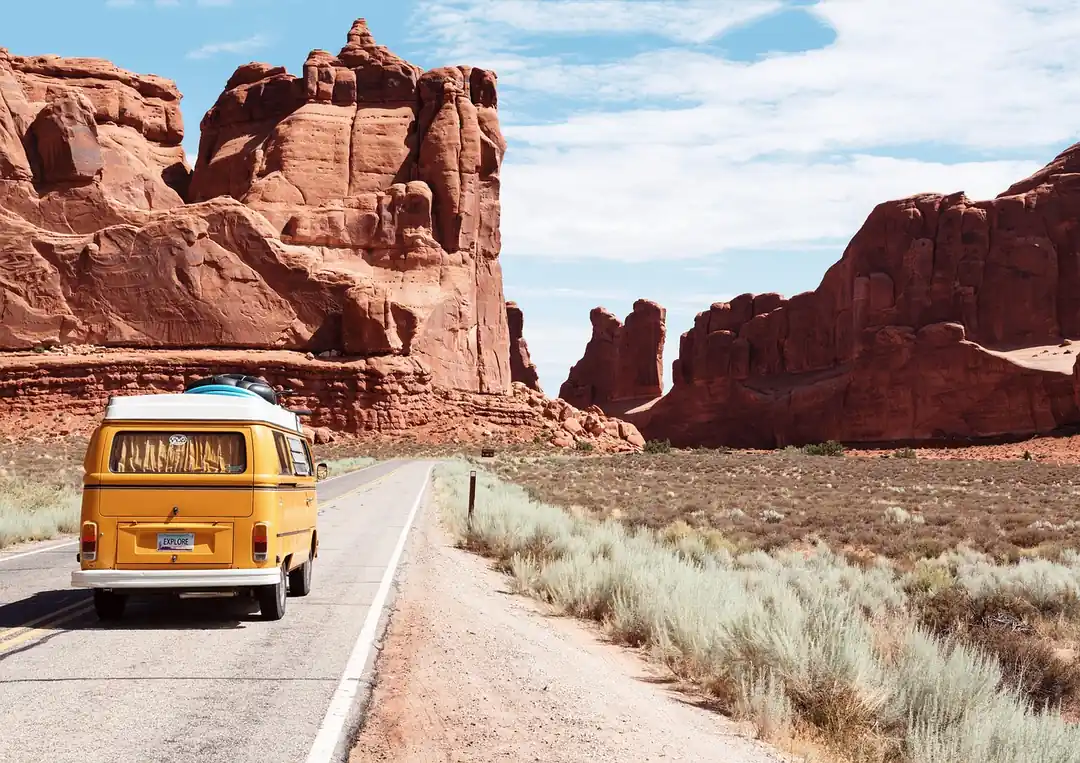
The Ultimate Guide to Renting an RV for a National Park Road Trip
Is the America the Beautiful Pass Worth It for Your Family? A Deep Dive
Related Posts
 TRANSPORT
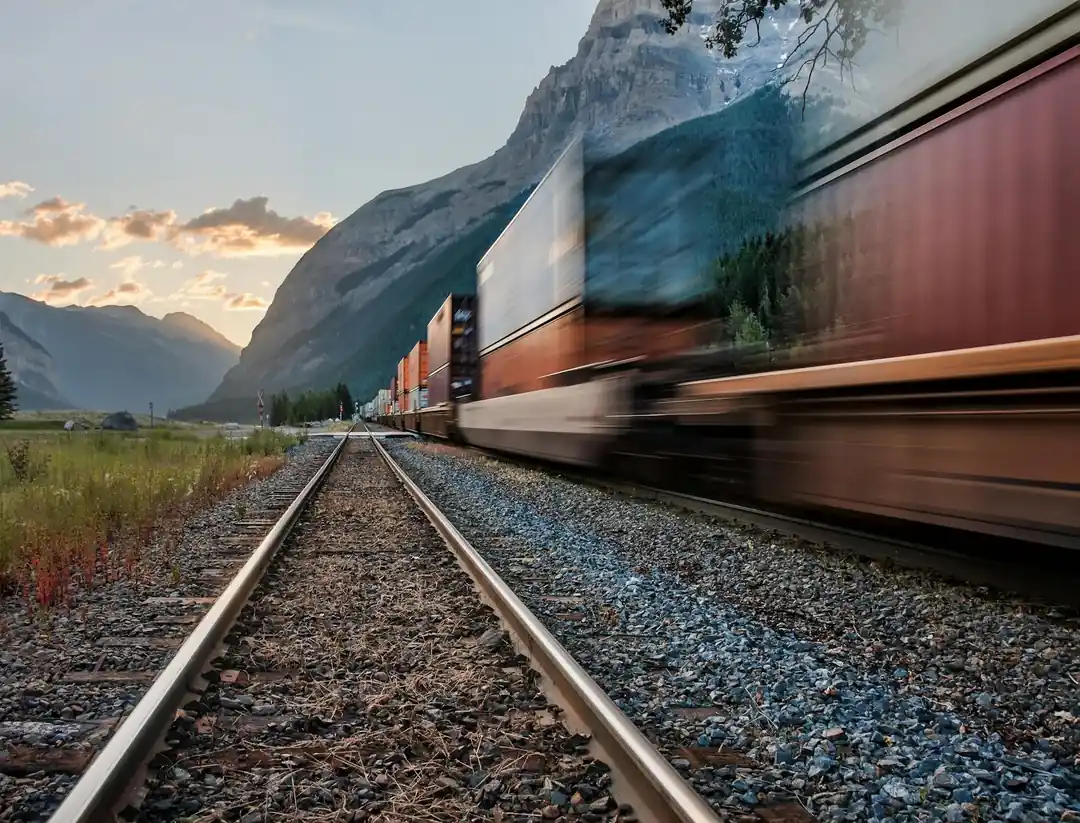
Beyond the Highway: Finding Canada's Soul on a Western Rail Adventure
Forget road trips. I'm talking about rediscovering the romance of travel on Via Rail's most scenic routes through the heart of the Canadian West. It’s an experience that changes you.
 TRAVEL TIPS
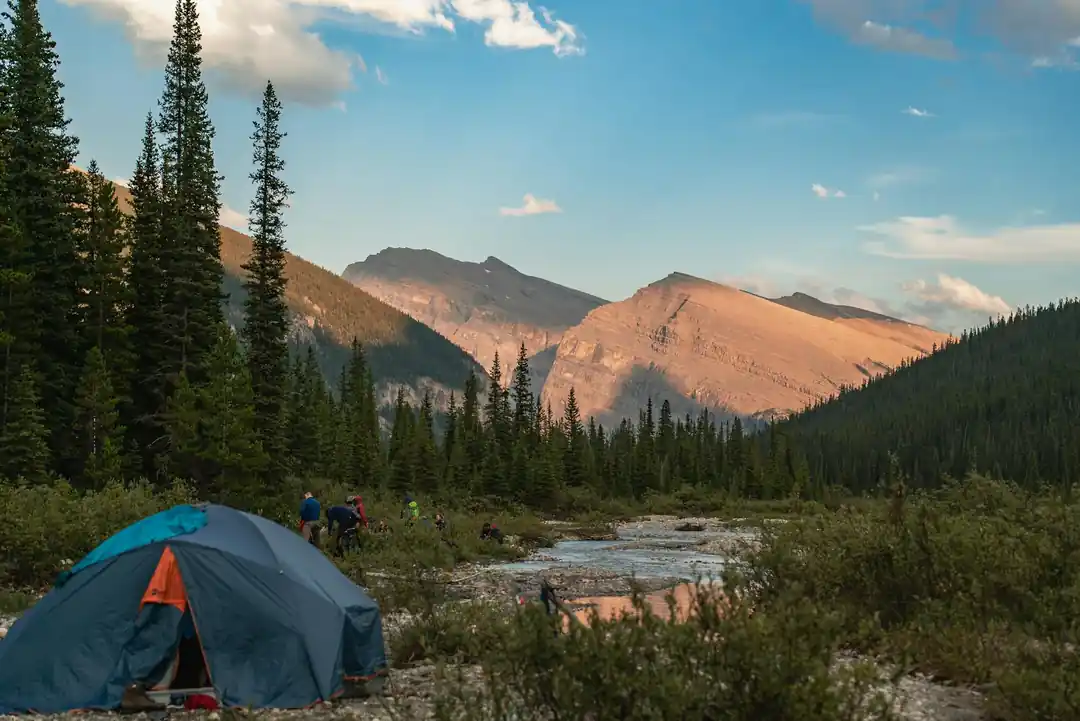
The Unwritten Rules of the North: What to Know Before Camping in Canada
Heading to the Great White North for a camping trip? It's an amazing idea. But from campfire etiquette to wildlife wisdom, here’s what you need to know before you go.

Popular Posts

Rethinking Non-Profit Promotion: Creative Strategies That Actually Drive Event Impact

Beyond Stark White: The Best Interior Paint Colors to Light Up Your New Space

How to Actually Master a New Language on Your Own (No Magic Gene Required)
