Beyond the fog and iconic bridges, San Francisco's story is one of resilience, shaped by the powerful seismic forces that lie just beneath its surface. Let's explore the quakes that defined a city.
San Francisco. Just saying the name brings to mind a cascade of images: the majestic Golden Gate Bridge piercing through a blanket of fog, the charming clang of a cable car climbing a steep hill, the vibrant, eclectic energy of its diverse neighborhoods. It’s a city that feels both timeless and relentlessly innovative. But as someone who has spent a lot of time in California, I know there's another, deeper layer to this city's identity—one that is written in the very ground it's built upon. San Francisco is, and always has been, earthquake country.
It’s a strange thing to live with, this quiet awareness of the immense geological power slumbering just beneath your feet. You get used to the small, barely-there tremors that occasionally rattle the windows. But the city's history is punctuated by moments when that slumber was broken by a violent roar. Thinking about this isn't meant to be frightening; instead, I find it a profound way to understand the city's soul. The story of San Francisco's earthquakes isn't just about destruction; it's a powerful narrative of loss, rebirth, and the incredible resilience of the human spirit.
The Great Quake of 1906: The Day the City Burned
It’s hard to truly comprehend the scale of what happened at 5:12 a.m. on April 18, 1906. The city was jolted from its sleep by a seismic event so powerful it remains one of the most significant earthquakes of all time. With an estimated magnitude of 7.9, the quake was the result of a massive rupture along 296 miles of the San Andreas Fault. The shaking, which lasted for a terrifying minute, was violent enough to turn brick buildings into dust and twist steel streetcar tracks into spaghetti.
As devastating as the initial shock was, the true catastrophe was just beginning. The earthquake had shattered the city's gas and water mains. As gas leaks ignited, fires erupted simultaneously across the sprawling wooden metropolis. With the water mains broken, the fire department was rendered tragically helpless. For three days, a ferocious firestorm, which would become known as the "Great Fire," consumed the heart of San Francisco. It was an apocalyptic scene, a wall of flames advancing block by block.
When the smoke finally cleared, the devastation was absolute. Nearly 80% of the city had been destroyed, with over 25,000 buildings turned to ash. The human cost was even more staggering. While early reports tried to downplay the numbers, modern historians estimate that over 3,000 people lost their lives, and out of a population of 410,000, more than half were left homeless. Yet, almost immediately, the city refused to die. From the ashes rose a new San Francisco, one built with the hard-won lessons of fire and seismic fury, leading to new engineering and a scientific leap in understanding how earthquakes work with the formulation of the elastic-rebound theory.
The Loma Prieta Quake of 1989: A Modern Wake-Up Call
For many, the memory of October 17, 1989, is just as vivid. At 5:04 p.m., as the Bay Area was settling in to watch Game 3 of the World Series between the Oakland A's and the San Francisco Giants, the ground began to heave. The 6.9 magnitude Loma Prieta earthquake, centered in the Santa Cruz Mountains, sent a violent shockwave across the region. In a strange twist of fate, the baseball game likely saved lives, as many people had left work early, leaving the freeways less congested than they would have been on a typical weekday.
The images from that day are seared into the nation's memory. The most tragic was the collapse of the Cypress Street Viaduct on Interstate 880 in Oakland, where the upper deck pancaked onto the lower, killing 42 people. In San Francisco, a section of the Bay Bridge's upper deck collapsed, and the Marina District, built on unstable landfill (some of it debris from the 1906 quake), suffered from severe liquefaction. The ground essentially turned to liquid, causing buildings to crumble and gas lines to rupture, sparking fires reminiscent of the 1906 disaster.
The Loma Prieta earthquake was a stark, televised reminder that the seismic threat was not a relic of the past. It claimed 63 lives, injured thousands, and caused billions of dollars in damage. But it also served as a crucial wake-up call. The event spurred a massive wave of seismic retrofitting, strengthening bridges, buildings, and critical infrastructure across the state. It drove home the importance of preparedness, of having a plan and a kit, and of knowing what to do when the shaking starts. It was a lesson that California, and indeed the world, took to heart.
Living on the Edge with Hope and Preparation
San Francisco's story is a continuous dialogue between its people and the land. The 1906 and 1989 quakes are the most famous, but they are just two chapters in a long geological history. The Bay Area is crisscrossed by faults, and the question is not if the next big one will happen, but when. This reality doesn't cast a pall over the city; rather, it has fostered a culture of awareness and respect for nature's power.
Today's San Francisco is a world leader in seismic engineering and emergency preparedness. Building codes are rigorously enforced, and the skyline is a testament to designs that can sway and flex with the earth's movements. For the people who live here, it's a part of life. It's about securing your bookshelves, having an emergency kit ready, and having a family plan. It’s about understanding that resilience isn't just about rebuilding—it's about building smarter and living more consciously.
This city, born of gold rush fever and reborn from fire, has a spirit that is both pragmatic and poetic. It acknowledges the ground beneath may be unstable, but it continues to build, to dream, and to inspire, looking ever forward while never forgetting the moments that shook it to its core.
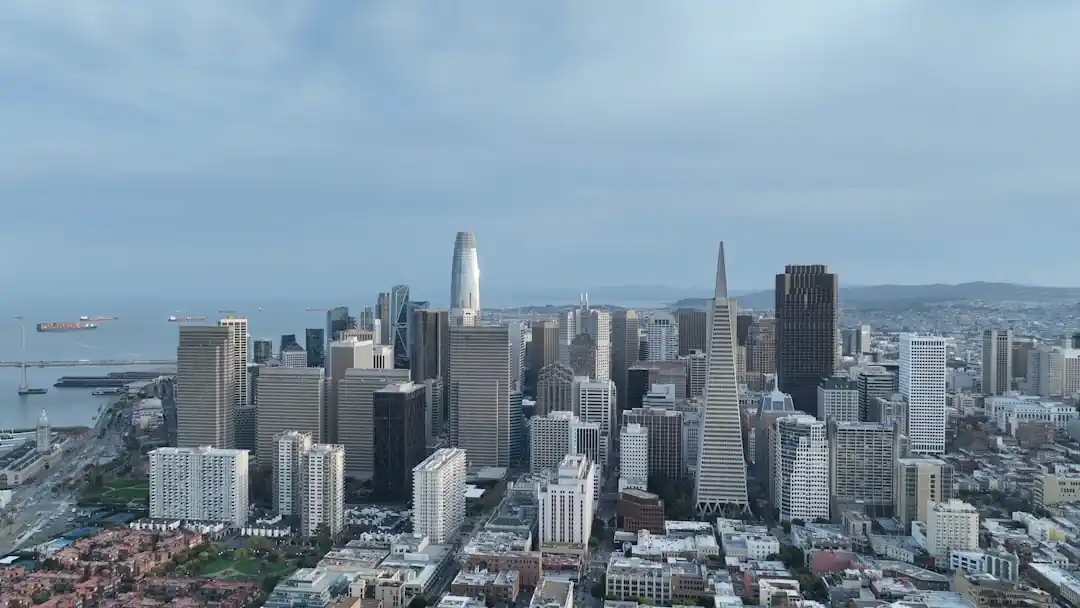
From Rubble to Resilience: How Earthquakes Shaped San Francisco's Skyline
Beyond the Grid: Finding the Best Scenic Drives Around San Ramon
Related Posts
 HOBBIES
The Beginner's Guide to Reading the Night Sky: How to Spot Your First Constellations
A friendly, grounded guide to navigating the night sky, understanding stellar movements, and spotting iconic constellations without expensive gear.
 PETS
PETSSniffle-Free Snuggles: America's Most-Loved Hypoallergenic Dogs
Dreaming of a furry friend but dreading the sneezes? You're not alone. Let's dive into the wonderful world of popular hypoallergenic dog breeds in the US.

Popular Posts

Beyond Stark White: The Best Interior Paint Colors to Light Up Your New Space

How to Actually Master a New Language on Your Own (No Magic Gene Required)

The Simple Pre-Workout Fueling Strategy That Saved My Long Runs