Feeling overwhelmed by your own thoughts? Let's explore how the simple, quiet act of journaling can become your most powerful tool for clarity and self-discovery.
Let’s be honest: life in the modern world can feel like having a thousand tabs open in your brain at all times. Between work deadlines, social obligations, the endless scroll of social media, and our own internal anxieties, finding a moment of genuine quiet can feel like a luxury. I used to think that the constant mental chatter was just a non-negotiable part of being an adult. It wasn't until I stumbled back into journaling—a practice I’d long abandoned in childhood—that I realized I didn't have to live in that state of perpetual noise.
The idea of starting a journal can feel a little daunting, can't it? It often conjures images of pristine, leather-bound books filled with profound, perfectly articulated thoughts. But what if I told you it doesn't have to be that? What if it could be messy, simple, and one of the most effective acts of self-care you could ever adopt? Journaling isn't about creating a masterpiece; it's about creating a space. A private, judgment-free space to untangle your thoughts, connect with your feelings, and get to know the person who matters most: you.
The Overwhelm is Real: Choosing Your Tools
Before you can write a single word, you have to decide where you're going to write it. This might seem like a trivial step, but it can genuinely make or break your new habit. The great debate is usually between a physical notebook and a digital app, and honestly, there's no right answer—only what's right for you. I’ve personally gone back and forth, and each has its merits.
There is something almost sacred about the physical act of putting pen to paper. The tactile sensation can be incredibly grounding, a welcome break from our screen-saturated lives. Brands like Moleskine, Leuchtturm1917, or even a simple spiral notebook from the corner store can become a trusted companion. The key is to choose something that feels good in your hands, a notebook that invites you to fill its pages. Pairing it with a pen you love to write with (it’s the little things!) can transform the act from a chore into a ritual you look forward to.
On the other hand, the convenience of digital journaling is undeniable. Apps like Day One, Journey, or even a simple notes app on your phone mean your journal is always with you. You can write an entry while waiting in line for coffee, on your commute, or right before you fall asleep without fumbling for a pen and notebook. Features like password protection, the ability to add photos, and searchable entries offer a level of functionality that paper just can't match. Don't let anyone tell you one is more "authentic" than the other. The most effective tool is the one you'll actually use.
Your First Entry: Breaking the Blank Page Barrier
Okay, you have your journal. You open it up, pen poised or fingers hovering over the keyboard, and… nothing. The blank page stares back, intimidating and vast. This is where most people quit. The pressure to write something meaningful or profound can be paralyzing. So, let's throw that expectation out the window right now. Your only goal for the first entry is to write something. Anything.
One of the best ways to start is with a simple prompt. Instead of asking the broad question, "How am I?" get more specific. Try answering one of these: "What is one small thing that brought me joy today?" or "What's a worry that's taking up space in my mind right now?" This narrows your focus and gives you a clear starting point. You don't have to write a full essay; a few sentences are a perfect start.
Another fantastic technique is the "brain dump." Set a timer for five or ten minutes and just write whatever comes to mind, without stopping and without judgment. Don't worry about grammar, spelling, or whether it makes sense. The point is to simply clear the clutter from your head and get it onto the page. You might write about your to-do list, a conversation you had, a dream you remember, or the song stuck in your head. It often starts as a trickle of nonsense and then, almost magically, the more meaningful thoughts start to flow.

Building a Habit That Actually Sticks
A single journal entry is great, but the real magic happens with consistency. Turning this into a lasting habit is the ultimate goal. The key here is to make it as easy and frictionless as possible. Don't commit to writing for an hour every day. That's a recipe for burnout. Instead, start with a ridiculously small and achievable goal, like writing for just five minutes, or even just three sentences. Anyone can find five minutes.
The concept of "habit stacking" is a game-changer here. Link your new journaling habit to an existing one that's already firmly established in your routine. For example: "After I pour my morning coffee, I will write in my journal for five minutes." Or, "Right after I brush my teeth at night, I will write down one thing I'm grateful for." This piggybacking technique uses the momentum of an old habit to build a new one, removing the need to rely on willpower alone.
Finally, create an environment that inspires you. Maybe this means a cozy corner of your home with a comfortable chair and good lighting. Perhaps it's your favorite local coffee shop. Make your journaling time a ritual to be savored, not a task to be checked off. Put on a relaxing playlist, light a candle, or do whatever makes the experience feel like a small treat for yourself. When you begin to associate journaling with a feeling of peace and relaxation, you'll start to crave it. It becomes less of a discipline and more of a destination. And in this busy world, having a destination for quiet reflection is a gift.

Paws-itive Pampering: Your Beginner's Guide to At-Home Pet Grooming
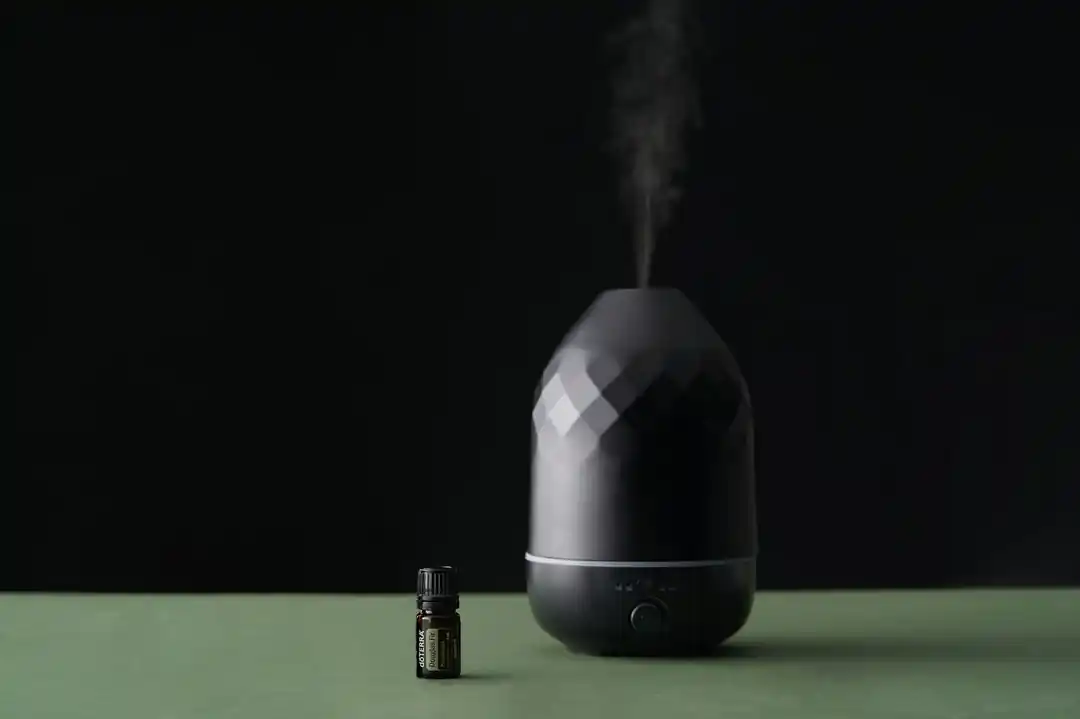
The Beginner's Guide to Transforming Your Home with Aromatherapy
Related Posts
 HOBBIES
The Beginner's Guide to Reading the Night Sky: How to Spot Your First Constellations
A friendly, grounded guide to navigating the night sky, understanding stellar movements, and spotting iconic constellations without expensive gear.
 PETS
PETSSniffle-Free Snuggles: America's Most-Loved Hypoallergenic Dogs
Dreaming of a furry friend but dreading the sneezes? You're not alone. Let's dive into the wonderful world of popular hypoallergenic dog breeds in the US.

Popular Posts

Rethinking Non-Profit Promotion: Creative Strategies That Actually Drive Event Impact

Beyond Stark White: The Best Interior Paint Colors to Light Up Your New Space

How to Actually Master a New Language on Your Own (No Magic Gene Required)
