Physical Silver vs. Silver ETFs: Which Is the Right Investment for You?
Thinking about investing in silver? We're breaking down the classic dilemma: holding tangible silver bars versus the digital ease of a silver ETF. Let's explore the pros and cons.
There's a certain gravity to silver. For centuries, it's been a symbol of wealth, a cornerstone of currency, and a quiet hedge against uncertain times. Today, as investors, we're faced with a modern version of an age-old question: how do we want to own it? Do we want the satisfying, tangible weight of a silver bar in our hand, or the seamless, digital convenience of an Exchange-Traded Fund (ETF) in our brokerage account? Honestly, the debate between physical silver and silver ETFs isn't just about logistics; it's about your entire philosophy on investing.
I’ve spent a good amount of time wrestling with this myself. On one hand, the idea of having a real, tangible asset that exists completely outside the financial system is incredibly appealing. It feels like true ownership. On the other hand, the simplicity and low barrier to entry of an ETF are hard to ignore in our fast-paced world. It’s a classic battle between old-world security and new-world efficiency.
The truth is, there’s no single right answer. The best path for you depends entirely on your goals, your tolerance for risk, and what helps you sleep soundly at night. So, let's pull back the curtain and take a really honest look at the pros and cons of each, so you can figure out where you stand.
The Allure of Physical Silver: Tangible Wealth
There's an undeniable romance to owning physical silver. It’s an asset you can see, touch, and hold. This isn't just a line on a screen; it's a piece of history, a tangible store of value that doesn't depend on a bank, a broker, or a functioning internet connection to prove its existence. For many, this is the core appeal. In a world of digital abstraction, physical silver is a grounding force, a direct hedge against inflation and systemic financial risks. When you own the metal itself, you eliminate counterparty risk—the risk that the other side of a contract will fail to deliver. It's just you and your asset.
Of course, this level of direct ownership comes with its own set of responsibilities. The most immediate one is storage. Where are you going to keep it? Storing a significant amount of silver at home might mean investing in a high-quality safe and updating your homeowner's insurance policy. These are not insignificant costs. Alternatively, you could use a third-party depository or a bank's safe deposit box, but that introduces storage fees and, in some ways, re-introduces a third party into the equation.
Then there's the matter of buying and selling. While the market for physical silver is robust, it’s not as liquid as the stock market. You can't sell your silver bars with a single click at 2 p.m. on a Tuesday. The process involves finding a reputable dealer, and you'll have to navigate premiums (the amount you pay over the spot price) when you buy, and potentially a discount when you sell. These premiums can vary widely based on the type of silver (coins vs. bars) and market demand, adding another layer of complexity to your investment.
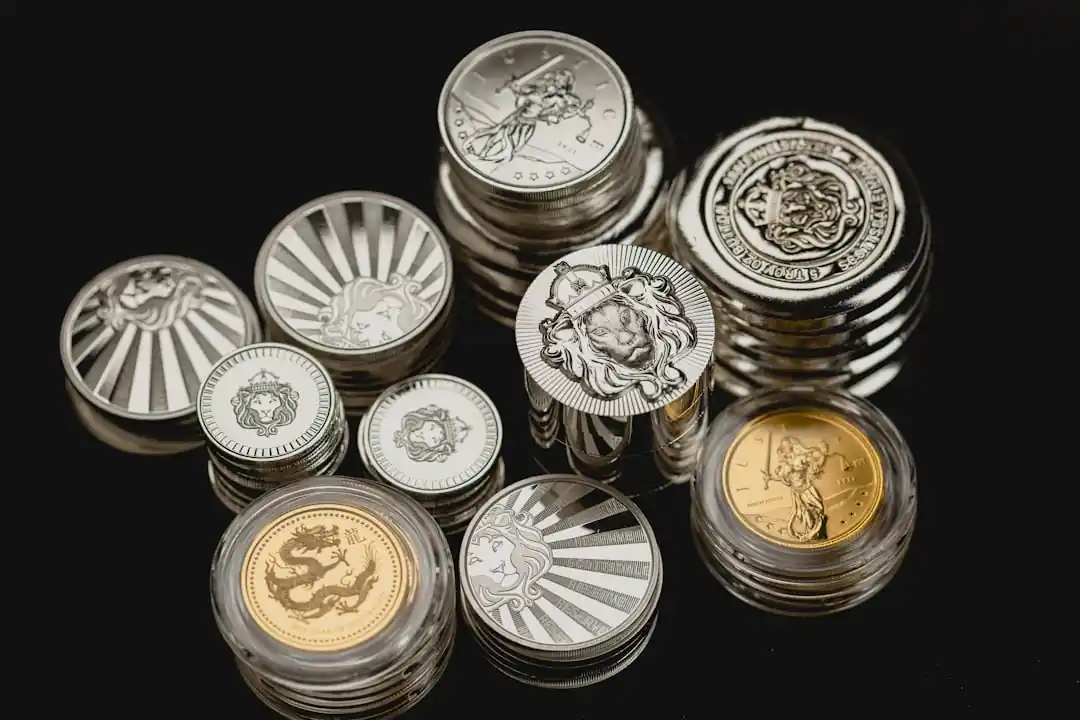
The Convenience of Silver ETFs: Digital Ease
Now, let's shift gears to the world of silver ETFs. For the modern investor, the appeal is immediately obvious: unparalleled convenience. A silver ETF trades on a stock exchange just like any other stock. You can buy and sell shares instantly during market hours through your existing brokerage account. This makes it incredibly easy to gain exposure to silver's price movements without ever having to worry about storage, insurance, or finding a dealer.
Most of the major silver ETFs, like the iShares Silver Trust (SLV), are "physically backed," meaning the fund holds large bars of physical silver in a secure vault on behalf of its shareholders. In theory, the value of your shares is directly tied to the value of that underlying silver. The costs are also very straightforward. Instead of premiums and storage fees, you pay a small annual expense ratio, which is automatically deducted from the fund's assets. This can often be a more cost-effective way to invest, especially for those who trade more frequently.
However, this convenience comes with a crucial trade-off: you don't actually own the silver. You own shares in a trust that owns the silver. This introduces counterparty risk. You are trusting the fund's managers, the custodian bank that holds the metal, and the entire operational chain to work flawlessly. While the system is generally robust, it's a layer of risk that doesn't exist with physical ownership. There have been long-standing debates in the investment community about whether these funds truly have all the silver they claim to have, adding a shadow of doubt for some.
Furthermore, because you don't own the metal, you can't take physical delivery of it (unless you are a massive, authorized participant, which doesn't apply to 99.9% of investors). For those who see silver as a last-resort asset in a crisis, this is a major drawback. An ETF is a financial product, and it's subject to the same systemic risks as the rest of the financial market.
The Bottom Line: Which Path Is Yours?
So, how do you choose? It really comes down to a personal assessment of your priorities. Ask yourself what you are truly trying to achieve with a silver investment.
If your primary goal is to have a "doomsday" asset—a store of wealth that is completely independent of the financial system and that you can hold in your possession—then physical silver is the only real answer. The costs and inconveniences are simply the price of true ownership and control. It’s for the investor who values tangible security above all else.
If, on the other hand, your goal is simply to speculate on the price of silver or to have a liquid, easy-to-manage hedge in your portfolio, then a silver ETF is likely the more practical choice. It offers efficient exposure to the asset class without the logistical headaches. It’s for the investor who values convenience, liquidity, and cost-effectiveness.
Ultimately, there's also a middle ground. Many savvy investors choose to do both. They might keep a core position in physical silver as their long-term, ultimate security blanket, while using silver ETFs for more tactical, short-term trading. This hybrid approach allows you to enjoy the benefits of both worlds. Whatever you decide, the key is to understand the trade-offs you're making and to choose the path that aligns with your own unique financial journey.
Beyond the Piggy Bank: Weaving Precious Metals into Your Long-Term Savings
From Hunt to Harvest: The 5 Key Phases of Upstream Oil and Gas

Related Posts
 BUSINESS
Rethinking Non-Profit Promotion: Creative Strategies That Actually Drive Event Impact
Discover modern, research-backed strategies for promoting non-profit fundraisers, from experiential marketing to hyper-local micro-influencers and cross-sector partnerships.
 BUSINESS
Is the TV Ad Dead? A Deep Dive into Cost and Effectiveness in 2024
In an age of streaming and scrolling, is a TV commercial still a smart bet for brands? We're breaking down the real costs and surprising effectiveness of television advertising today.

Popular Posts
Rethinking Non-Profit Promotion: Creative Strategies That Actually Drive Event Impact

Beyond Stark White: The Best Interior Paint Colors to Light Up Your New Space

How to Actually Master a New Language on Your Own (No Magic Gene Required)
