Diving into the used car market can feel overwhelming, but it doesn't have to be. Here’s how to inspect a pre-owned vehicle like a pro and drive away with confidence.
Let's be honest, the thought of buying a used car brings up a mixed bag of emotions. There's the excitement of a new-to-you ride and the undeniable appeal of saving a serious amount of money compared to buying new. But then, there's the anxiety. That little voice whispering horror stories of lemons, hidden problems, and shady sellers. It’s a journey that can feel like a high-stakes treasure hunt where you’re not entirely sure what you’re looking for.
I’ve been there, standing on a car lot, trying to look like I know what I’m doing, while my mind races with questions. Is this a gem or just well-polished trouble? The truth is, buying a used car can be an incredibly smart move. With the right approach, you can drive away in a reliable, fantastic vehicle without the gut-punch of new-car depreciation. It’s not about being a master mechanic; it’s about being a prepared and observant buyer.
This guide is your new best friend. We're going to walk through the entire process, from the crucial homework you need to do at your kitchen table to the subtle clues to look for during the test drive. Think of it as your personal pre-flight checklist to ensure your next automotive adventure gets off to a smooth start.
The Digital Detective: Your Pre-Inspection Homework
Before you even think about grabbing your keys to go see a car, your most powerful tool is your internet connection. The research you do from the comfort of your own home is, without a doubt, the most important step in the entire process. It’s what separates the savvy buyers from the ones who rely on luck. This is where you build your foundation of knowledge, which translates directly into confidence and negotiating power later on.
First things first: the Vehicle History Report. This is absolutely non-negotiable. Using the car's Vehicle Identification Number (VIN), services like CarFax or AutoCheck can pull up a car's entire life story. I’m talking about reported accidents, title issues (like a dreaded salvage or flood title), the number of previous owners, and sometimes even a log of maintenance records. I once dodged a major bullet when a report revealed a car that looked perfect on the outside had a history of significant collision repair. The seller “forgot” to mention it. This report is your first line of defense.
Beyond the history report, it’s time to become an expert on the models you’re considering. Dive into owner forums and consumer review sites. What are the common problems for that specific year and model? Does the transmission have a known issue at 80,000 miles? Is there a recurring electrical gremlin that drives owners crazy? Knowing these potential weak spots ahead of time allows you to inspect them with extra care. This is also the time to check for any open safety recalls on the NHTSA website. A seller isn't always obligated to have these fixed, so it's crucial you know what you're getting into.
The Walkaround: Reading the Car's Body Language
Once a car has passed your digital background check, it’s time for an in-person meeting. This is where you get to play detective. A car’s exterior can tell you a lot about the life it has lived. Don’t just give it a casual glance; inspect it with purpose. And a pro-tip: always try to see the car in broad daylight. The unforgiving sun is your best friend for spotting imperfections that might be hidden in a dimly lit garage or on a rainy day.
Start by doing a slow, deliberate walk around the entire vehicle. Look for inconsistencies in the paint. Does one panel seem slightly shinier or a different shade than the one next to it? This is a classic sign of body repair. Look down the sides of the car from an angle to spot any waves or ripples in the panels, which could indicate underlying body filler. Pay close attention to the gaps between the hood, doors, and trunk. If they’re uneven, it could mean the car has been in an accident and not put back together perfectly.
Next, get down and look at the tires. They are a fantastic indicator of the car's overall health. Is the tread worn evenly across all four tires? Uneven wear can point to alignment or suspension problems, which can be costly to fix. While you’re down there, take a peek underneath the car with a flashlight. You’re looking for significant rust, especially on the frame. Surface rust on some components can be normal, but large, flaky patches of rust on the car’s structure are a major red flag.
The Inner World: Cabin, Controls, and Comfort
After you’ve given the outside a thorough once-over, it’s time to step inside. The interior of a car is where you’ll be spending all your time, so it’s not just about aesthetics; it’s about functionality and sniffing out hidden problems. Your senses, especially smell and touch, are critical here. A car’s cabin can hold secrets that the shiny exterior might be hiding.
The first thing you should do is take a good, long sniff. A musty, mildewy smell is a huge warning sign. It often points to water leaks from a bad seal, or even worse, flood damage. These issues can lead to a world of electrical problems and mold. Also, check under the floor mats for any dampness or signs of water stains. Look up at the headliner for any sagging or staining, another common sign of a leak.
Now, start touching things. Press every single button. Test the air conditioning and the heat. Do they work? How long does it take for the air to get cold or hot? Turn on the radio, test the power windows, the locks, the sunroof, and any other electronic features. In modern cars, a faulty infotainment screen or a malfunctioning climate control unit can be surprisingly expensive to fix. Don’t forget to check the condition of the upholstery and make sure all the seatbelts latch and retract properly. It’s the little things that can turn a dream car into a daily annoyance.
The Heart of the Matter: Under the Hood and On the Road
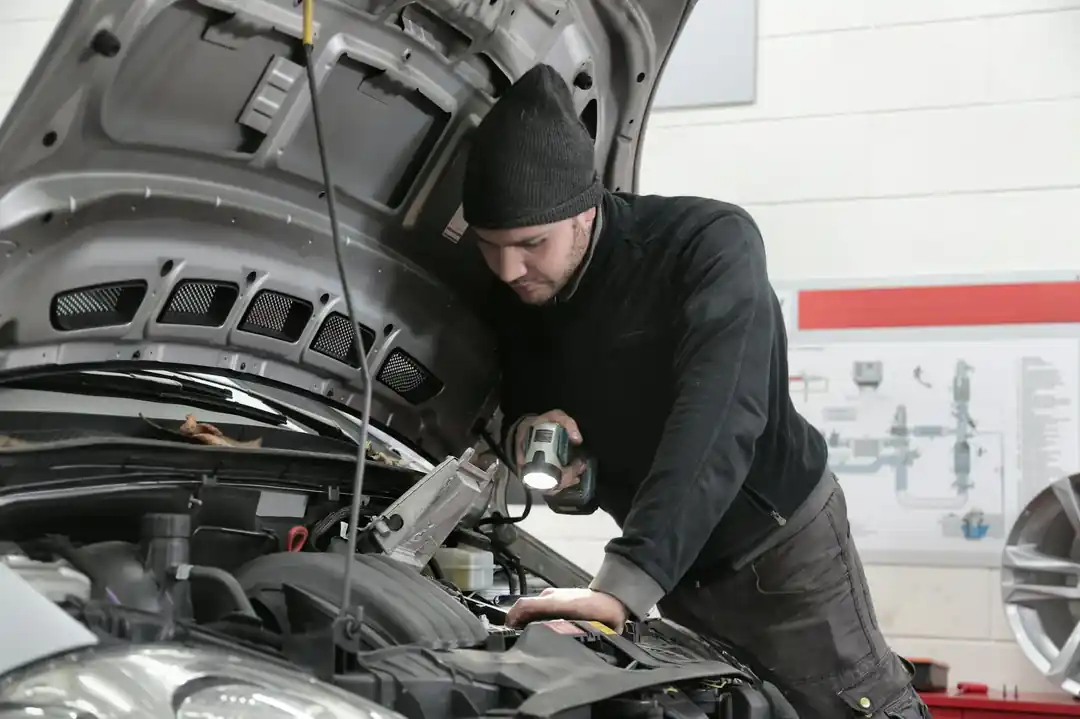
This is the part that can feel the most intimidating, but you don’t need to be a mechanic to do a basic, yet effective, check under the hood. You’re looking for obvious signs of trouble or neglect. Always do this when the engine is cool to avoid any nasty burns. Pop the hood and just take a moment to look. Does it look relatively clean, or is it covered in oil and grime?
Look for any signs of fluid leaks on the engine itself or on the ground underneath. Check the fluid levels. The engine oil should be a translucent brown, not black and thick. If it looks milky or foamy, run away – that’s a potential sign of a blown head gasket, a very expensive repair. Check the coolant in the reservoir; it should be brightly colored (usually green, pink, or orange) and not look rusty or sludgy. Inspect the belts and hoses for any visible cracks or fraying.
Now for the most important part: the test drive. This is your chance to feel how the car performs. Turn the radio off and listen. Start the car. Does it start easily? Listen for any strange noises from the engine. As you pull away, feel how the transmission shifts. It should be smooth, not clunky or hesitant. Find a safe, empty stretch of road to test the brakes. They should feel firm and stop the car in a straight line without any squealing or grinding. Pay attention to how the car handles. Does it pull to one side? Do you hear any clunking noises when you go over bumps? Drive it on different types of roads, including the highway if possible, to see how it performs at various speeds.
The Final Verdict: Get a Professional Opinion
You’ve done your homework, you’ve inspected the car from top to bottom, and you’ve taken it for a thorough test drive. You might be feeling pretty confident, and that’s great! But there is one final, crucial step that you should never, ever skip: the pre-purchase inspection (PPI). This is where you have a trusted, independent mechanic put the car on a lift and give it a professional once-over.
A mechanic can spot things you can't, like hidden frame damage, worn-out suspension components, or subtle leaks that are just beginning. They can also plug into the car's computer to check for any trouble codes that might not be triggering a check engine light. The small cost of a PPI is an investment in your peace of mind and can save you thousands of dollars in unexpected repairs down the road.
If a seller, whether it’s a private party or a dealership, gives you any pushback about getting an independent inspection, consider it a massive red flag and walk away. A transparent seller with nothing to hide should have no problem with it. Armed with your own observations and a professional's report, you can make your final decision with true confidence, knowing you’ve done everything in your power to choose a great used car. Happy driving

How to Get the Best Interest Rate on Your Next Car Loan
Who Really Makes the Most Reliable Cars? A Deep Dive into the 2024 Rankings
Related Posts
 BUYING GUIDES & PRICE INFO
The Clean Beauty Decoder: Your Guide to Actually Understanding Ingredients
Feeling lost in the world of clean beauty? Let's cut through the noise together and learn how to read ingredient labels with confidence. It's easier than you think.
 PRODUCT CATEGORIES
Beyond the Badge: The Real Things to Look For When Buying a Luxury SUV
Thinking about a luxury SUV? It's more than just a status symbol. Let's explore the details that truly matter, from the whisper-quiet ride to the long-term value.

Popular Posts

Rethinking Non-Profit Promotion: Creative Strategies That Actually Drive Event Impact

Beyond Stark White: The Best Interior Paint Colors to Light Up Your New Space

How to Actually Master a New Language on Your Own (No Magic Gene Required)
