A Weekend in Munich: Walking Through Centuries of History
Ever feel like you could just step into a history book? That's Munich for you. I spent a weekend diving into its past, and honestly, it was unforgettable.
There’s a certain magic to Munich that’s hard to put into words. It’s a city that wears its history with a unique kind of grace, blending centuries of Bavarian tradition with a forward-looking energy that’s palpable. As someone who loves to get lost in the stories of a place, I’ve always been drawn to cities where the past isn’t just in museums, but is etched into the very streets you walk on. For a weekend trip, Munich is one of those rare gems that delivers an experience far richer than you’d expect.
I’ll admit, I was a bit skeptical at first. Could two days really be enough to even scratch the surface of such a historically significant city? But what I found was a place that’s remarkably accessible, where pivotal moments in world history are just a short walk or train ride away from each other. It’s not just about the famous beer halls (though they are wonderful); it’s about standing in the footsteps of kings, witnessing the resilience of a city, and confronting the difficult chapters of its past.
So, if you’re looking to trade the everyday for a weekend of historical immersion, come along with me. Let’s explore the heart of old Munich.
Marienplatz: The City’s Living Room
Any historical tour of Munich has to start here, at Marienplatz. This has been the city's central square since its founding in 1158, and you can feel that history pulsating under your feet. It’s been the site of medieval markets, tournaments, and public celebrations for hundreds of years. Standing in the middle of it all, surrounded by the hum of the city, you really get a sense that you’re in the living, breathing heart of Munich.
The star of the show is undoubtedly the Neues Rathaus (New Town Hall). It’s a jaw-dropping example of Gothic Revival architecture that looks like it was plucked straight from a storybook. Its famous Glockenspiel is a must-see. Every day at 11 a.m. and 12 p.m. (and 5 p.m. in the summer), its life-sized figures reenact stories from Munich’s past. It’s a charming spectacle that draws crowds for a reason, a little moment of shared delight that connects you to a tradition that’s been going on for over a century.
Just across the square is the more modest Altes Rathaus (Old Town Hall), which gives you a sense of the square’s medieval origins. And don’t forget to look for the Mariensäule, a golden statue of the Virgin Mary atop a column in the center of the square. It was erected in 1638 to celebrate the end of Swedish occupation during the Thirty Years' War. It’s a powerful symbol of hope and endurance, watching over the city as it has for nearly 400 years.
Royal Splendor: The Residenz and Nymphenburg Palace
From the public square to the private world of royalty, Munich offers an incredible glimpse into the lives of the Wittelsbach dynasty, who ruled Bavaria for centuries. The Munich Residenz, right in the city center, was their home and seat of power. It’s Germany's largest city palace, a sprawling complex of buildings, courtyards, and gardens that evolved over hundreds of years. You can spend hours just wandering through its lavish rooms.
The Antiquarium, a stunning Renaissance hall filled with classical sculptures, is absolutely breathtaking. It was built by a duke to show off his collection, and you can just imagine the lavish banquets that took place there. Each room you enter seems more opulent than the last, from the glittering Ancestral Gallery to the ornate Rococo chambers. It’s a dizzying display of wealth and power, but also of incredible artistry and craftsmanship.
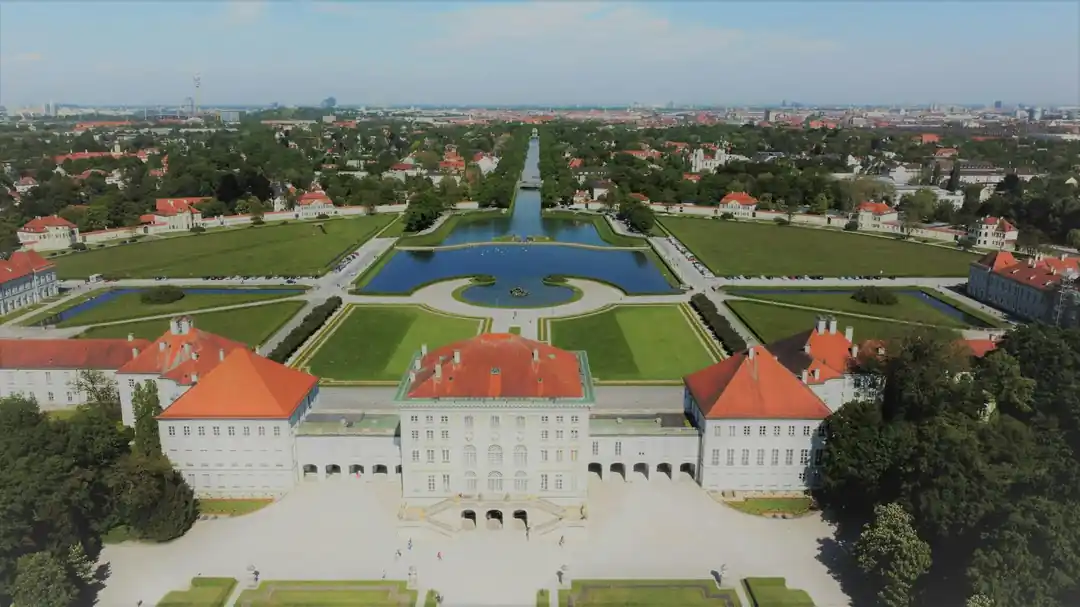
For a different kind of royal experience, a trip to Nymphenburg Palace is essential. This was the summer residence of the Wittelsbachs, and it’s a masterpiece of Baroque architecture set in a massive, beautiful park. The palace itself is stunning, especially the "Hall of Beauties," a gallery of portraits of noblewomen commissioned by King Ludwig I. It’s a fascinating (and slightly scandalous) look into the king’s personal tastes.
But the real magic of Nymphenburg, for me, is the grounds. The park is enormous, with canals, lakes, and hidden pavilions. You can rent a gondola on the main canal or simply wander through the gardens, feeling a world away from the city. It’s a place that was designed for leisure and escape, and it still serves that purpose perfectly today. It’s a beautiful counterpoint to the more formal Residenz.
A Necessary Visit: Dachau Concentration Camp Memorial Site
This part of the journey is not an easy one, but it is arguably the most important. A short train ride from Munich takes you to the Dachau Concentration Camp Memorial Site. It was the first of the Nazi concentration camps, opened in 1933, and it served as a model for all the others. Visiting is a somber, gut-wrenching, and profoundly necessary experience. It’s a direct confrontation with one of the darkest chapters in human history.
Walking through the grounds, past the reconstructed barracks and the chilling "Arbeit Macht Frei" (Work Sets You Free) gate, is a deeply moving experience. The museum provides a comprehensive, unflinching look at the history of the camp and the lives of the people who were imprisoned and murdered there. The silence of the crematorium area is heavy with the weight of the past.
It’s not a tourist attraction in the traditional sense; it’s a place of remembrance and education. I left with a heavy heart, but also with a renewed understanding of the importance of tolerance, human rights, and the promise of "Never Again." It’s a part of Munich’s history that cannot and should not be ignored. It provides a crucial context for the city you see today.
Munich is a city of incredible depth. In one weekend, you can marvel at the fairytale charm of Marienplatz, get lost in the opulent dreams of kings, and bear witness to the solemn lessons of history. It’s a journey that stays with you, a reminder that the stories of the past are always with us, shaping the world we live in today.
A Guide to Saudi Arabian Customs and Etiquette
Don't Let It Burst: A Homeowner's Guide to Winter Plumbing Prep
Related Posts
 TRANSPORT
Beyond the Highway: Finding Canada's Soul on a Western Rail Adventure
Forget road trips. I'm talking about rediscovering the romance of travel on Via Rail's most scenic routes through the heart of the Canadian West. It’s an experience that changes you.
 TRAVEL TIPS
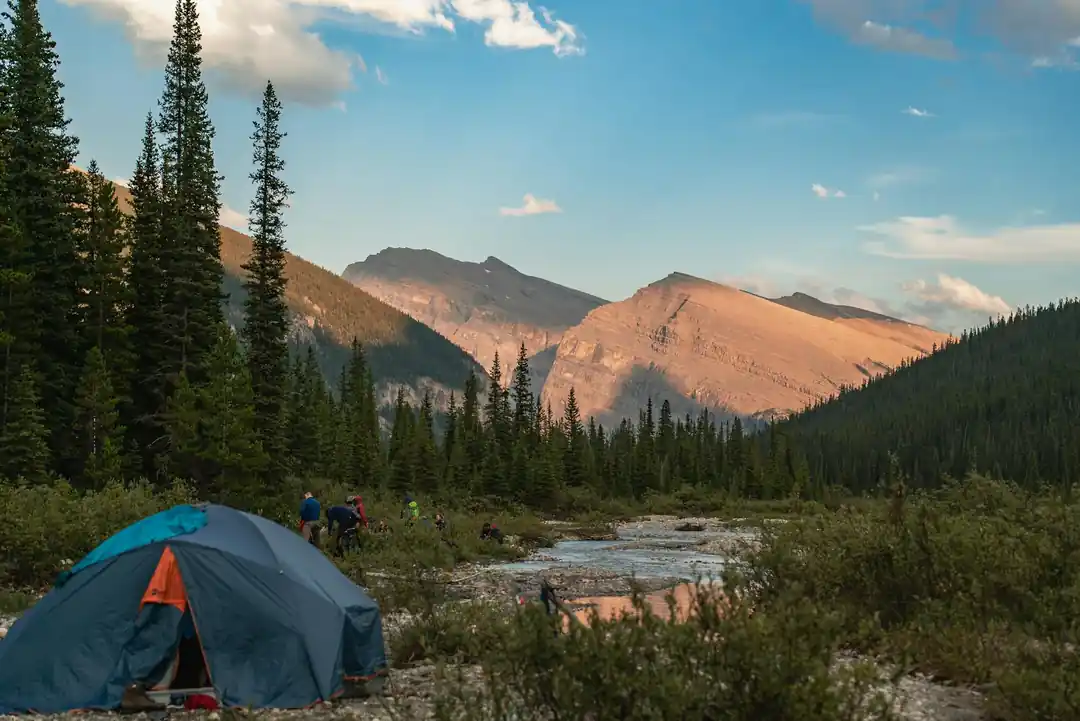
The Unwritten Rules of the North: What to Know Before Camping in Canada
Heading to the Great White North for a camping trip? It's an amazing idea. But from campfire etiquette to wildlife wisdom, here’s what you need to know before you go.
Popular Posts

Rethinking Non-Profit Promotion: Creative Strategies That Actually Drive Event Impact

Beyond Stark White: The Best Interior Paint Colors to Light Up Your New Space

How to Actually Master a New Language on Your Own (No Magic Gene Required)
