Your First National Park Trip: A Beginner's Guide to Unforgettable Adventure
Dreaming of visiting a US National Park but don't know where to start? I'm breaking down the essentials, from choosing a park to booking your spot, to make your first trip a soul-stirring success.
There’s a certain kind of magic that happens when you stand on the edge of a canyon carved by a million years of river flow, or watch the sunrise paint a granite monolith in shades of pink and gold. It’s a feeling of being incredibly small and yet infinitely connected to something vast and profound. That, right there, is the heart of the US National Parks. My first time visiting one, I remember just standing there, completely silent for what felt like an hour, just trying to absorb the sheer scale of it all. It wasn't just a pretty view; it was an experience that fundamentally shifted something in me.
If you're reading this, you're probably feeling that same pull. It's a call to the wild, a desire to trade cityscapes for landscapes that have remained unchanged for centuries. But let's be honest: with over 60 parks to choose from, the idea of planning your first trip can feel overwhelming. Where do you go? When? What do you even pack? I get it. It feels like a monumental task.
But I promise you, it's more than worth it. Think of this as a friendly conversation, a guide to help you cut through the noise and plan a first-time national park adventure that is not just manageable, but truly soul-stirring. We'll walk through the big questions together, so you can spend less time stressing and more time dreaming about the open road.
It’s a Big, Big World: Choosing Your First Park
The first question is always the biggest: which park should you visit? It's tempting to just aim for the big names you've seen on postcards—Yellowstone, Yosemite, the Grand Canyon. And while those parks are world-famous for a reason, the best park for your first trip depends entirely on what you want to experience. Are you dreaming of towering mountains, otherworldly desert landscapes, or lush, ancient forests?
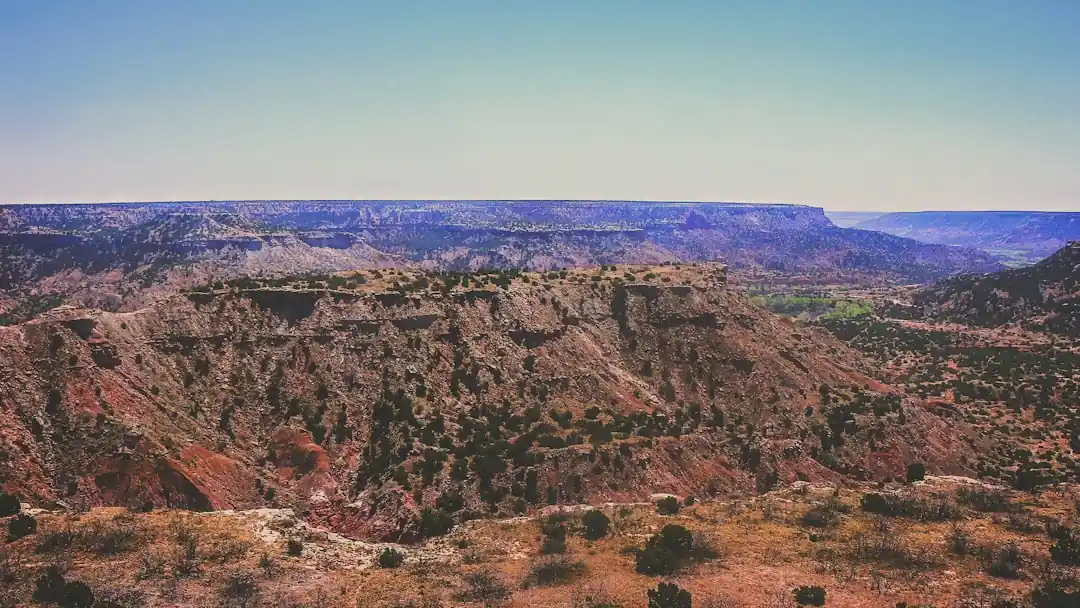
Take a moment and think about the kind of scenery that truly moves you. If you're drawn to dramatic granite cliffs and majestic waterfalls, then Yosemite in California is a phenomenal choice. If the idea of geothermal wonders, geysers, and abundant wildlife gets your heart racing, Yellowstone (spanning Wyoming, Montana, and Idaho) is unlike any other place on Earth. For those who find beauty in the stark, sculptural elegance of the desert, Zion and Arches in Utah offer landscapes that feel like they belong on another planet.
Another thing to consider is timing. The "best" time to visit is highly subjective and depends on the park. For many of the most popular spots, the shoulder seasons—late spring (April-May) and early fall (September-October)—are the sweet spot. You'll find fewer crowds, more pleasant weather for hiking, and often a stunning display of wildflowers or autumn colors. Summer is peak season for a reason (great weather, everything's open), but it also means peak crowds and, in desert parks, potentially extreme heat. And don't discount winter! A park like Bryce Canyon blanketed in snow is a breathtaking, serene sight you'll never forget.
The Not-So-Fun Part: Logistics and Reservations
Okay, let's talk about the less glamorous side of things. A few years ago, you could be a bit more spontaneous with a national park trip. Today, especially for the most sought-after parks, planning is absolutely essential. I learned this the hard way once, hoping to snag a campsite in Zion on a whim in May. It was a humbling experience that ended with me driving in the dark, looking for any available lodging. Don't be like me.
The most important thing you need to know is this: book everything far in advance. Accommodations inside the parks, whether it's a historic lodge or a simple campsite, can fill up six months to a year ahead of time. As soon as you know your dates and your park, get on the official park service website or the concessionaire's site and book your stay.
Beyond lodging, many parks now require timed entry reservations just to get in during peak hours. This is a system designed to manage crowds and preserve the park experience. Parks like Rocky Mountain, Glacier, and Arches have all implemented reservation systems. This isn't something to figure out when you get there; you need to check the park's official website (nps.gov is your best friend) weeks or even months before your trip to see what permits are required and when they become available. Mark the date on your calendar, because popular slots can disappear in minutes.
Gearing Up: More Than Just Hiking Boots
What you pack can make or break your trip. While you don't need to look like you're about to summit Everest, having the right gear ensures you're safe, comfortable, and prepared for whatever the park throws at you. The single most important rule is to dress in layers. Weather in the mountains can change in a heartbeat, going from warm and sunny to cold and windy in the span of a single hike. A moisture-wicking base layer, a fleece or mid-layer, and a waterproof/windproof outer shell is a classic combination that will serve you well.
Good footwear is non-negotiable. Even if you're not planning on epic, multi-day treks, you'll be doing a lot of walking. A pair of hiking boots or sturdy trail shoes with good grip, that you've already broken in, is essential. Beyond that, think about sun protection—a hat, sunglasses, and sunscreen are must-haves, even on cloudy days.
Finally, be prepared to be self-sufficient. Cell service is spotty to non-existent in most parks. Don't rely on your phone's GPS. Download offline maps of the park and your trails before you leave home. Carry a physical map as a backup. And always, always carry more water than you think you'll need, along with some salty snacks to replenish electrolytes. This isn't just about comfort; it's about safety. Being prepared allows you to relax and fully immerse yourself in the experience, knowing you have what you need to handle a change in plans or weather.
Your first national park trip is a rite of passage, an entry into a world of profound beauty and wildness. It’s a chance to disconnect from the noise and reconnect with something more fundamental. Yes, it takes a bit of planning, but every moment of preparation pays off a thousand times over when you're standing there, watching the world unfold in all its natural glory. I hope this helps you take that first step. Happy trails.

Stop Stressing: Easy Make-Ahead Snacks for Your Next Big Party
Deconstructing the Perfect Swing: A Step-by-Step Guide to Better Golf Mechanics

Related Posts
 TRANSPORT
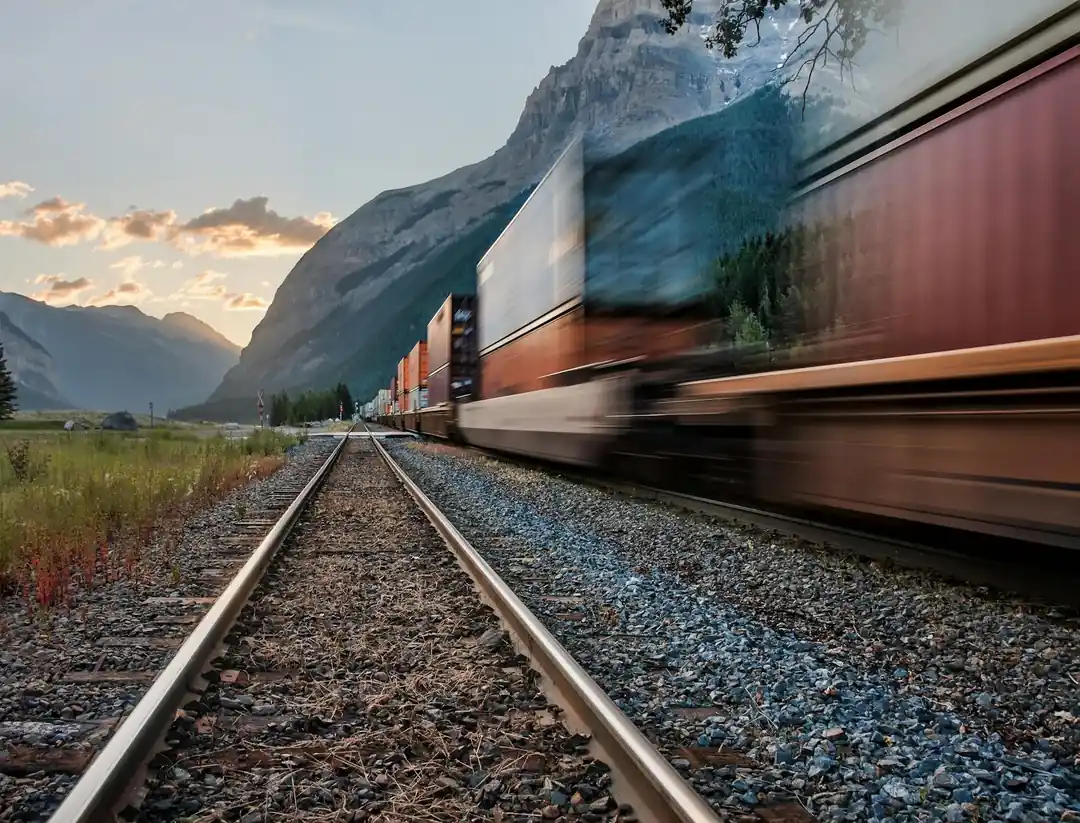
Beyond the Highway: Finding Canada's Soul on a Western Rail Adventure
Forget road trips. I'm talking about rediscovering the romance of travel on Via Rail's most scenic routes through the heart of the Canadian West. It’s an experience that changes you.
 TRAVEL TIPS
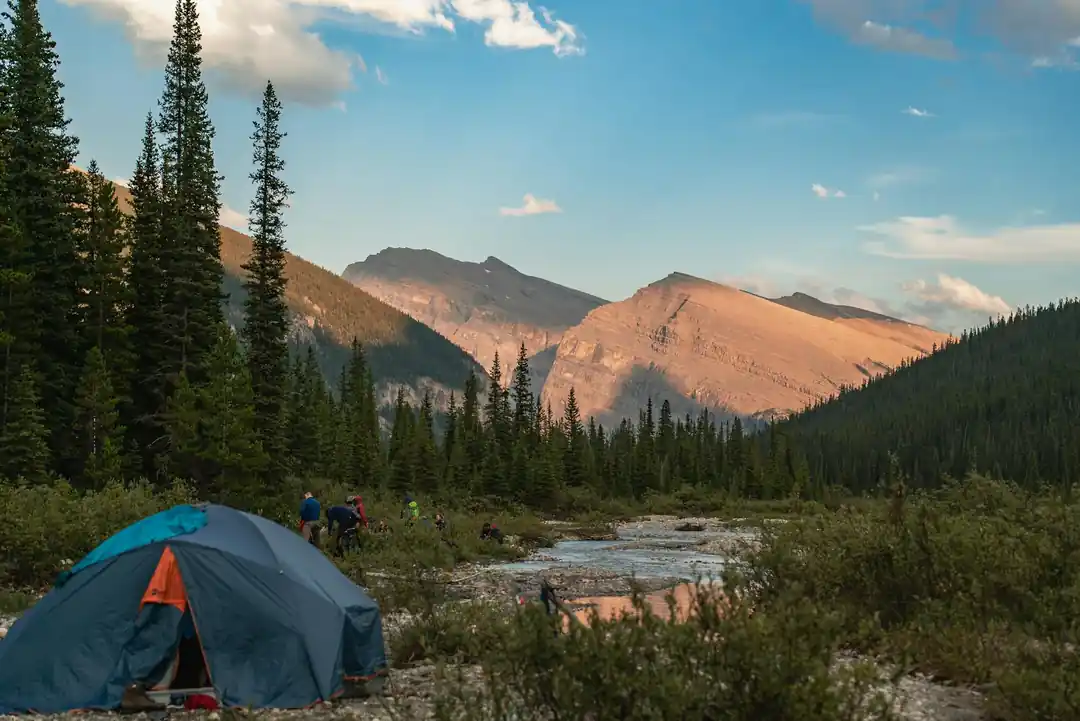
The Unwritten Rules of the North: What to Know Before Camping in Canada
Heading to the Great White North for a camping trip? It's an amazing idea. But from campfire etiquette to wildlife wisdom, here’s what you need to know before you go.
Popular Posts

Rethinking Non-Profit Promotion: Creative Strategies That Actually Drive Event Impact

Beyond Stark White: The Best Interior Paint Colors to Light Up Your New Space

How to Actually Master a New Language on Your Own (No Magic Gene Required)
