Just landed and eager to see the city from above? Here’s how to get from the busiest US airports to the most iconic skyscrapers without the stress.
There’s a unique kind of magic in that moment. You’ve just stepped off the plane, the hum of the engines still ringing in your ears, and your mind is already on the destination: a towering skyscraper, a beacon of the city you’ve come to explore. It’s a modern-day pilgrimage for many travelers. But between the baggage claim and that breathtaking panoramic view lies a crucial step: the journey. How do you get from the sprawling chaos of a major airport to the heart of the city's skyline?
Honestly, I’ve felt that mix of excitement and slight navigational dread more times than I can count. Standing in the arrivals hall, looking at signs, trying to decide between the train, a bus, or just giving in and hailing a cab. It can feel like the first big test of your trip. Over the years, I've navigated this exact challenge in some of America's biggest cities, and I've learned that the "best" way to travel is deeply personal. It’s a dance between cost, convenience, and the kind of experience you want to have.
So, let's break it down. Think of me as your friend who’s done the recon work for you. We’ll explore the tried-and-true methods for getting from the airport to some of the most iconic viewpoints in New York, Chicago, and Los Angeles. Whether you're a budget-conscious backpacker or a traveler who prioritizes comfort above all, there’s a path for you.
New York: From JFK to the Empire State Building
Landing at John F. Kennedy International Airport (JFK) feels like plugging directly into the world’s energy source. The goal? The legendary Empire State Building, a timeless symbol of ambition in Midtown Manhattan. The journey from Queens to the heart of the city is a classic New York experience, and you have some fantastic options.
For the traveler who wants to dive headfirst into the local rhythm (and save some money), public transportation is the way to go. The system is a well-oiled machine. Your first step is the AirTrain JFK. It’s a simple, efficient train that circles the terminals and connects to the city's main transit hubs. You'll take the AirTrain from your terminal to Jamaica Station. The ride itself is quick, and this is where your real New York adventure begins.
From Jamaica Station, you have two great choices. The fastest is often the Long Island Rail Road (LIRR). This commuter train will get you to Penn Station, just a short walk from the Empire State Building, in about 20-25 minutes. It’s a bit more expensive than the subway but can be a lifesaver if you’re short on time. The alternative is to transfer from the AirTrain to the subway system (the E, J, or Z lines). It’s cheaper and an experience in itself, though it will take longer and can be a bit of a hassle with lots of luggage during rush hour. All in, you’re looking at about an hour of travel time, but you’ll arrive in Manhattan feeling like you’ve already conquered a small part of the city.
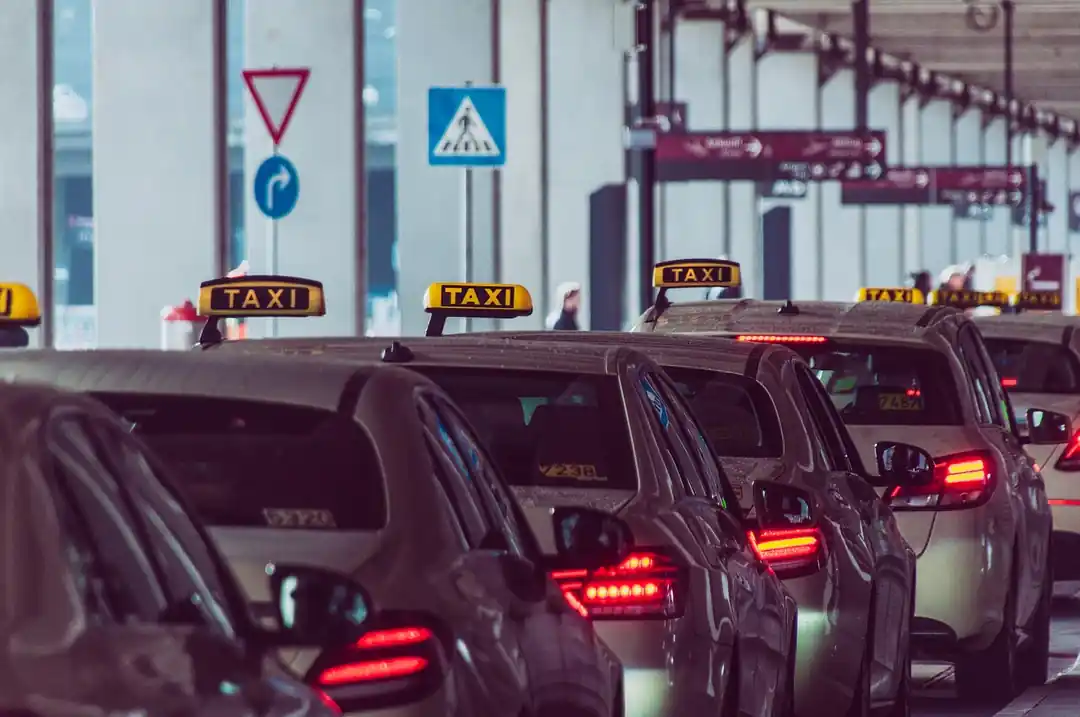
Of course, sometimes convenience is king. After a red-eye flight, the thought of navigating train transfers can be exhausting. This is where New York's iconic yellow cabs and rideshare services come in. A taxi from JFK to Manhattan operates on a flat fare (currently around $70, but always check for the latest rates), plus tolls and a tip. It’s the most direct physical route, but "direct" in New York is a fluid concept. The travel time can be as little as 30 minutes, but if you hit traffic, it can easily double. Rideshare services like Uber and Lyft are also readily available and priced competitively, but they are subject to the same traffic whims. It’s a trade-off: you pay more for the door-to-door comfort, but you’re at the mercy of the city’s infamous gridlock.
Chicago: From O'Hare to the Willis Tower
Chicago's O'Hare International Airport (ORD) is a titan, one of the busiest airports in the world. Your destination, the Willis Tower (formerly and still lovingly known as the Sears Tower), offers a view that stretches across four states on a clear day. The journey from ORD into the Loop is remarkably straightforward, thanks to Chicago’s excellent city planning.
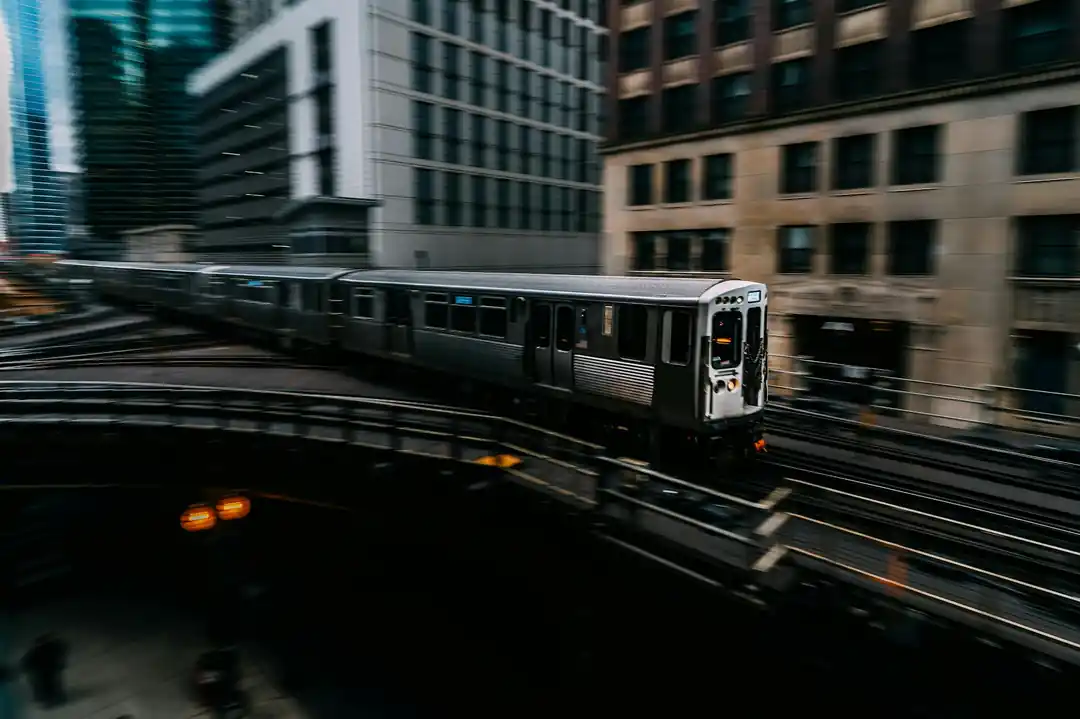
The undisputed champion for both cost and efficiency here is the CTA Blue Line train. This is, without a doubt, one of the easiest airport-to-downtown connections in the country. The station is located right inside the airport, and for a few dollars, you can get a direct ride into the heart of the city. You’ll want to get off at the Jackson or Monroe stop, both of which are just a few blocks from the Willis Tower. The ride takes about 45-50 minutes, and it runs 24/7, which is a huge plus for late-night or early-morning arrivals.
I’ll be honest, taking the 'L' train (short for "elevated") is the quintessential Chicago experience. As the train rises from the subway tunnels and onto the elevated tracks, you get your first real glimpse of the city's incredible architecture. It’s a moment of arrival that a car ride just can’t replicate. You’ll see the neighborhoods change and the buildings get taller as you approach the Loop. It’s the perfect way to get oriented and feel the city's pulse.
If you're traveling with a group or have a mountain of luggage, a taxi or rideshare is a perfectly reasonable alternative. The drive from O'Hare to the Willis Tower can take as little as 25-30 minutes if you’re lucky with traffic. However, the Kennedy Expressway is notoriously prone to congestion, so that time can easily stretch to an hour or more. Expect to pay a significant amount more than the train fare, especially with surge pricing during peak hours. While it offers door-to-door service, I always find myself recommending the Blue Line to friends visiting Chicago for the first time. It’s just too easy and iconic to pass up.
Los Angeles: From LAX to the U.S. Bank Tower
Los Angeles is a city built around the automobile, and its transportation narrative is a bit different. Landing at Los Angeles International Airport (LAX), your goal is the U.S. Bank Tower, the elegant, tiered skyscraper that dominates the downtown skyline. Getting there from the airport requires a bit of strategic planning.
For a long time, public transit from LAX was seen as complicated, but it has improved immensely. The most popular and stress-free public option is the LAX FlyAway bus. This service offers direct, non-stop routes to various locations, including Union Station in Downtown LA. The buses are comfortable, have plenty of luggage space, and for a very reasonable price, they take the guesswork out of the equation. The journey to Union Station can take anywhere from 35 minutes to an hour, depending heavily on traffic.
Once you arrive at the grand, historic Union Station, you’re just a quick hop on the Metro B (Red) or D (Purple) Line to the 7th St/Metro Center station, which is a short walk from the U.S. Bank Tower. This bus-then-rail combination is a fantastic compromise between cost and comfort. It shields you from the worst of the freeway driving stress while still being incredibly affordable. It’s my personal go-to when I’m not in a major rush.
Of course, this is LA, and the allure of a car is strong. Taxis and rideshares are plentiful at LAX, but they come with a significant cost and the ever-present variable of traffic. The ride can take as little as 30 minutes in ideal conditions, but during rush hour, you could be looking at well over an hour. The convenience is undeniable, but you have to be prepared for the possibility of sitting in bumper-to-bumper traffic on the 105 or 110 freeway. If you choose this route, my advice is to treat it as part of the experience. Put on some music, look out the window, and embrace the slow-moving rhythm of the city.
No matter which city you're in or which skyscraper is calling your name, the journey from the airport is the first chapter of your story. It’s a chance to see the city from a different perspective, to observe its daily life, and to build anticipation for the incredible view that awaits you at the top. Choose the path that feels right for you, and enjoy the ride.

Is It a Cold or the Flu? How to Tell the Difference
Skyscrapers and Subways: A Guide to Reaching America's Tallest Buildings by Public Transit
Related Posts
 TRANSPORT
Beyond the Highway: Finding Canada's Soul on a Western Rail Adventure
Forget road trips. I'm talking about rediscovering the romance of travel on Via Rail's most scenic routes through the heart of the Canadian West. It’s an experience that changes you.
 TRAVEL TIPS
The Unwritten Rules of the North: What to Know Before Camping in Canada
Heading to the Great White North for a camping trip? It's an amazing idea. But from campfire etiquette to wildlife wisdom, here’s what you need to know before you go.
Popular Posts

Rethinking Non-Profit Promotion: Creative Strategies That Actually Drive Event Impact

Beyond Stark White: The Best Interior Paint Colors to Light Up Your New Space

How to Actually Master a New Language on Your Own (No Magic Gene Required)
