Ever wondered how the energy that powers our world gets from deep underground to us? Let's journey through the fascinating, complex world of upstream oil and gas operations.
Have you ever paused during your morning commute to think about the incredible, almost mythical journey the fuel in your car has taken? It’s a process far more intricate and awe-inspiring than most of us realize, a modern saga of technology, geology, and immense human effort. Today, I want to pull back the curtain on the "upstream" sector of the oil and gas industry. This is the very beginning of the story, the part of the adventure where the hunt for hydrocarbons begins and the raw resources are brought kicking and screaming to the surface.
Honestly, understanding these foundational steps is more than just industry trivia; it’s a crucial piece of the puzzle for comprehending the vast, interconnected global energy landscape that shapes our daily lives. It’s a world of high-stakes investment, cutting-edge science, and a profound dialogue with the planet itself. From the first geological whisper of a potential reservoir to the final, responsible closure of a well, each phase is a meticulously choreographed performance. So, let’s dive deep and explore this unseen world together.
Phase 1: Exploration — The Great Treasure Hunt
Imagine searching for something you can't see, buried miles beneath the earth's surface or hidden under the immense pressure of the deep ocean. This is the essence of the exploration phase. It's a high-tech treasure hunt led by geologists and geophysicists, who act as detectives of the deep earth. They aren't just randomly drilling holes; they're using an incredible array of tools to paint a picture of what lies in the darkness below.
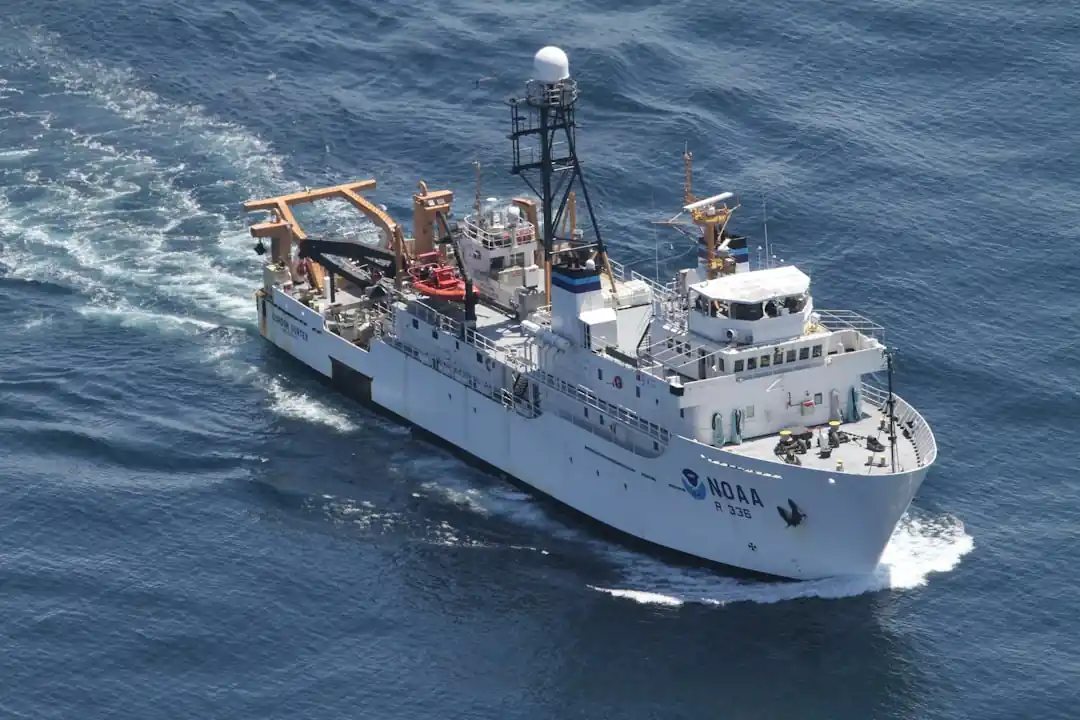
The primary tool in their arsenal is the seismic survey. In simple terms, they send powerful sound waves into the ground and listen for the echoes. By analyzing how these waves bounce off different rock layers, they can create stunningly detailed 3D maps of the subsurface. It’s like giving the planet an ultrasound, revealing the complex architecture of ancient, buried landscapes and identifying specific geological "traps" where oil and gas might have accumulated over millions of years. This data, combined with gravity and magnetic surveys, allows them to pinpoint the most promising areas long before committing the massive resources required for drilling.
Phase 2: Appraisal — Is It Worth It?
Once the exploration team identifies a promising target, the project moves into the appraisal (or "delineation") phase. This is where the initial excitement meets hard-nosed economic reality. It's no longer just about whether there's oil or gas present, but about answering the critical questions: How much is there? What is its quality? And can we get it out of the ground economically? This is the moment of truth that determines if a discovery can become a producing field.
To answer these questions, the company will drill one or more appraisal wells. These wells are strategically drilled into the potential reservoir to gather concrete data. Engineers retrieve core samples of the rock and fluid samples from the reservoir itself. These samples are analyzed in labs to understand the rock's porosity (how much fluid it can hold) and permeability (how easily the fluid can flow through it). Extensive tests are run to measure the reservoir's pressure and flow rates. This data is the lifeblood of the project, feeding into complex models that estimate the total size of the reserve and predict its production potential over time.
Phase 3: Development — Building the Machine
With a commercially viable discovery confirmed, the project enters the monumental development phase. This is where the abstract geological models and financial projections begin to transform into steel and concrete. It's an undertaking of enormous scale and complexity, often requiring years of planning and billions of dollars of capital investment before a single drop of oil is produced.
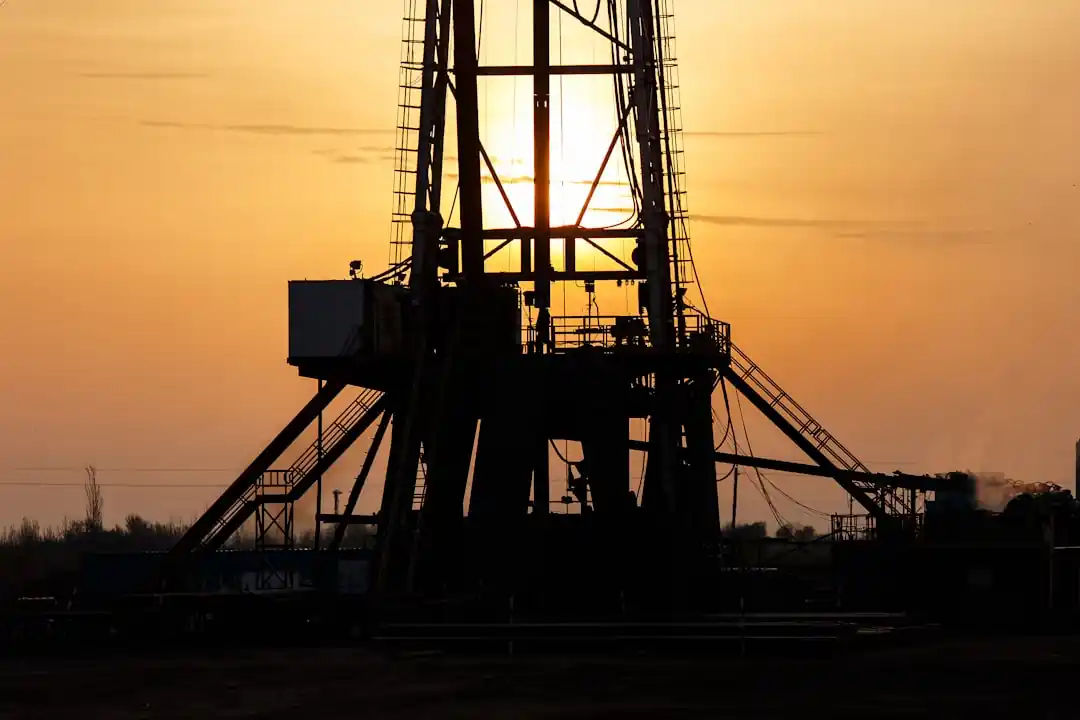
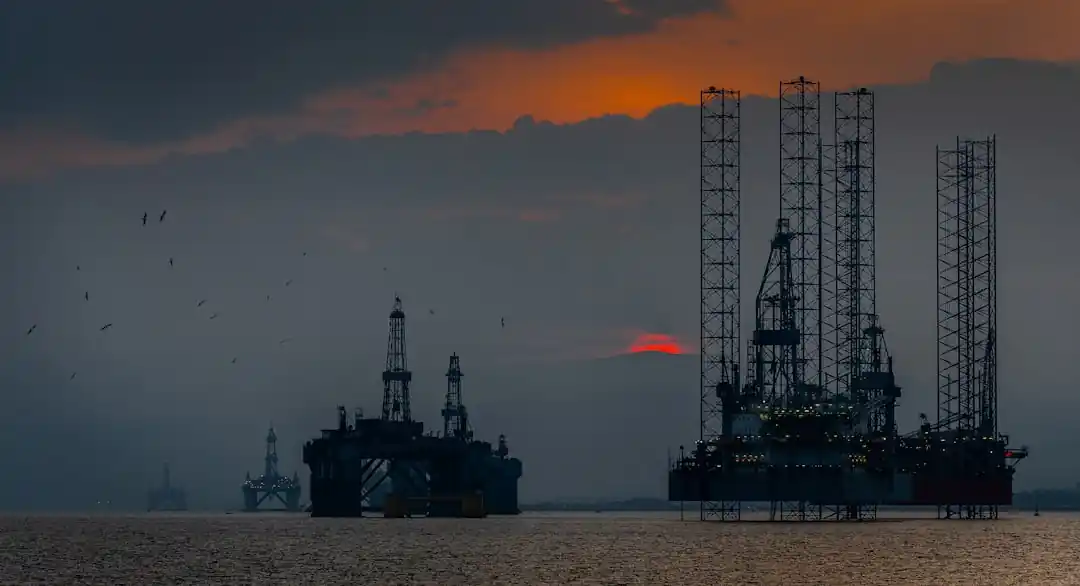
The development plan is a master blueprint for the entire life of the field. For an onshore project, this involves securing land, drilling a series of production wells, and building a network of pipelines and processing facilities to separate the oil, gas, and water. For an offshore project, the challenge is magnified exponentially. Engineers must design, construct, and install colossal production platforms—structures that can weigh tens of thousands of tons and must withstand the harshest ocean conditions. Dozens of wells might be drilled from a single platform, fanning out for miles in all directions beneath the seabed. This phase is a symphony of logistics, engineering, and project management.
Phase 4: Production — Reaping the Reward
After years of painstaking exploration and development, the production phase finally begins. This is the moment everyone has been working toward, when the valves are opened and hydrocarbons begin their journey to the surface. This is the longest phase in the lifecycle of a field, often lasting for 20 to 40 years or even more. It's a marathon, not a sprint, focused on managing the reservoir for maximum long-term recovery.
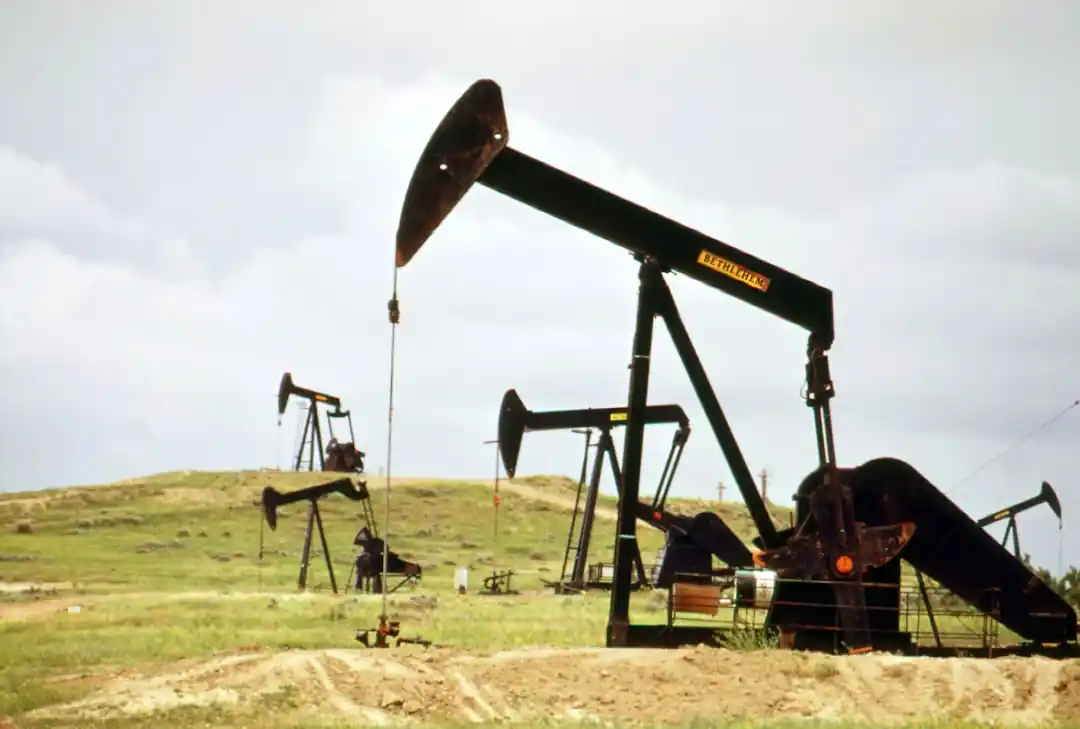
In this phase, the raw mixture of oil, natural gas, and water is brought to the surface. Onshore, you'll see the iconic "nodding donkey" pumpjacks methodically lifting oil from the ground. Offshore, the process is managed on the massive production platforms. The extracted fluids are routed to processing facilities where they are separated. The oil and gas are treated to meet quality specifications before being transported via pipelines, ships, or trucks to refineries and markets around the world. All the while, engineers are constantly monitoring the reservoir's pressure and health, sometimes employing "Enhanced Oil Recovery" techniques like injecting water or gas to maintain pressure and sweep more oil toward the production wells.
Phase 5: Abandonment — A Responsible End
Every good story has an ending, and an oil field is no different. When the reserves are depleted to the point where it's no longer economical to continue production, the field enters its final phase: decommissioning and abandonment. In the past, this stage was sometimes an afterthought, but today it is one of the most heavily regulated and scrutinized parts of the entire process. The goal is to leave the environment in a safe and stable condition.
The process is meticulous. Each well is permanently sealed with multiple cement plugs to ensure there is no possibility of future leaks to the surface or between rock formations. For offshore platforms, this is a particularly herculean task. The massive topside structures are lifted and carried back to shore for recycling or disposal. The gigantic steel legs or concrete foundations are then removed from the seabed. The entire area is inspected to ensure that no debris or environmental hazards remain. It is a final, respectful farewell to a site that has provided energy for decades, a bookend to a long and productive life.
The journey from a faint seismic echo to the gasoline in your tank is a testament to an industry that operates at the very edge of technology and human capability. It's a complex, challenging, and absolutely vital part of our modern world. Hopefully, the next time you start your car, you'll have a deeper appreciation for the incredible voyage that made it all possible.
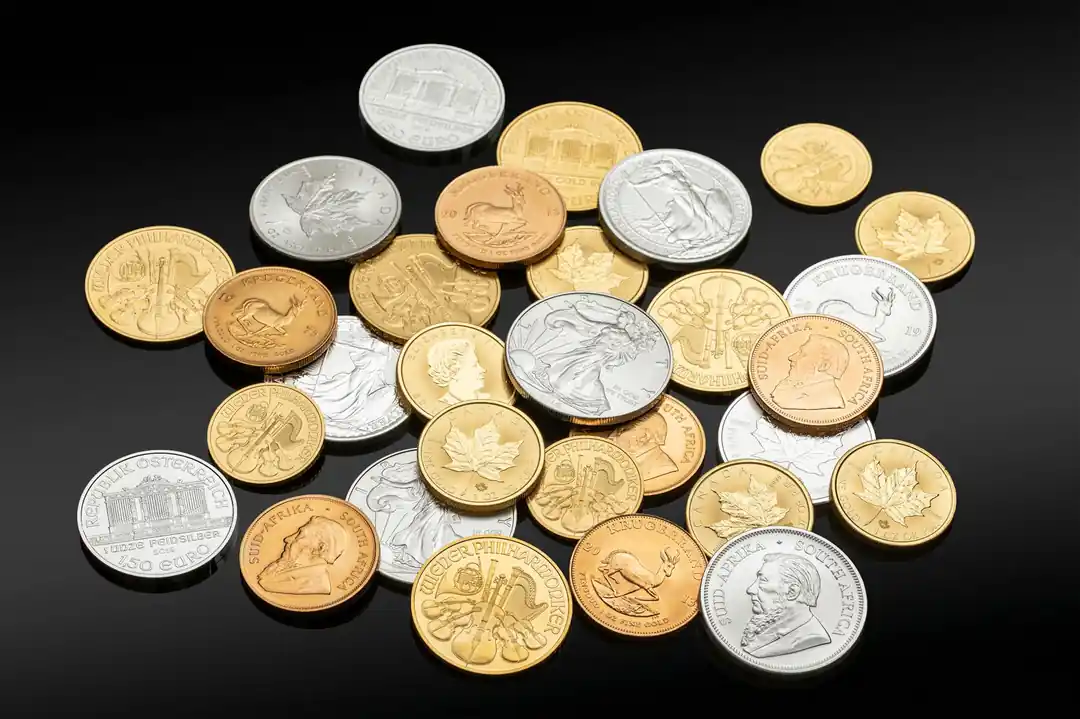
Physical Silver vs. Silver ETFs: Which Is the Right Investment for You?
Cracking the Code: How to Build a Film with the Three-Act Structure

Related Posts
 BUSINESS
Rethinking Non-Profit Promotion: Creative Strategies That Actually Drive Event Impact
Discover modern, research-backed strategies for promoting non-profit fundraisers, from experiential marketing to hyper-local micro-influencers and cross-sector partnerships.
 BUSINESS
Is the TV Ad Dead? A Deep Dive into Cost and Effectiveness in 2024
In an age of streaming and scrolling, is a TV commercial still a smart bet for brands? We're breaking down the real costs and surprising effectiveness of television advertising today.

Popular Posts
Rethinking Non-Profit Promotion: Creative Strategies That Actually Drive Event Impact

Beyond Stark White: The Best Interior Paint Colors to Light Up Your New Space

How to Actually Master a New Language on Your Own (No Magic Gene Required)
