Forget expensive memberships. Discover how to build serious strength and transform your body using the most powerful tool you already own: yourself.
Let’s be real for a second. The idea of going to a gym is often better than the reality. There’s the commute, the locker room shuffle, the waiting for machines, and the low-key anxiety of wondering if you’re doing an exercise right. For years, I was caught in that cycle, convinced that a “real” workout could only happen surrounded by clanking iron and the low hum of treadmills. Then, life got complicated, and my routine was turned upside down. It was out of necessity that I discovered a truth that has since completely reshaped my approach to fitness: the most effective gym in the world is the one you carry with you every single day.
Bodyweight training isn't a compromise; it's a revelation. It’s about tapping into a form of functional strength that makes everything in your daily life—from carrying groceries to playing with your kids—feel easier. There's a profound sense of empowerment that comes from mastering your own body, from realizing you don't need external tools to build a lean, strong, and resilient physique. It strips away all the excuses. No equipment? No problem. Not enough time? A powerful 20-minute session is always within reach.
This isn't just about convenience, though. It's about building a deeper connection with your body, learning its mechanics, and understanding its limits in an intimate way. It’s a sustainable, lifelong approach to fitness that can be done anywhere, anytime. Whether you're a complete beginner or a seasoned athlete, bodyweight exercises offer a scalable challenge that can continuously push you toward your goals. So, if you're ready to unlock that potential, let's lay the foundation.
The Unskippable Fundamentals: Push, Squat, Plank
Before you can build a skyscraper, you need a rock-solid foundation. In the world of bodyweight fitness, that foundation rests on a few key movements that are non-negotiable for building holistic strength. These aren't just "beginner" exercises; they are the timeless classics that even elite athletes return to again and again. First up is the push-up. It’s the undisputed king of upper-body bodyweight exercises for a reason, engaging your chest, shoulders, triceps, and core all at once. If a full push-up feels out of reach, don't sweat it. Start with incline push-ups against a wall or countertop, or drop to your knees. The goal is perfect form: a straight line from your head to your heels (or knees) and a full range of motion.
Next, we have the squat. This is a primal movement pattern that we use every single day. A proper bodyweight squat is a masterclass in lower-body strength, targeting your quads, hamstrings, and glutes. Stand with your feet shoulder-width apart, keep your chest held high, and imagine you're sitting back into a chair. Aim to get your thighs at least parallel to the floor, keeping your weight in your heels. It’s a movement that builds not just strength, but also mobility and stability in your hips and ankles.
And then there's the plank. It might look simple, but holding a perfect plank is a full-body challenge that forges a rock-solid core. The trick isn't about holding it for as long as possible; it's about how you hold it. Engage your core as if you're about to be punched in the stomach, squeeze your glutes, and keep your body in one straight, unwavering line. No sagging hips or arching backs. These three movements form a powerful trifecta that, when practiced consistently, will build a base of strength that makes everything else possible.
Expanding Your Arsenal: Lunges, Dips, and Pulls
Once you feel confident with the fundamentals, it's time to add more tools to your toolbox. This is how you keep your body guessing, prevent plateaus, and develop a more well-rounded, athletic physique. Lunges are a fantastic addition for targeting each leg individually, which helps to correct strength imbalances and improve your balance. Whether you choose forward, reverse, or walking lunges, the key is to maintain control, dropping your back knee toward the floor while keeping your front knee aligned with your ankle.
For the upper body, it's crucial to balance all that pushing with some pulling movements. This is often the biggest challenge in a no-equipment routine, but it's essential for posture and shoulder health. If you have a sturdy table, you can perform inverted rows by lying underneath it, grabbing the edge, and pulling your chest up. Another great option is the "superman" or prone cobra, where you lie on your stomach and lift your chest and thighs off the floor, powerfully squeezing your back muscles. These exercises are your best defense against the "desk-worker slouch."
To really target your triceps and shoulders, look no further than dips. You don't need parallel bars; a sturdy chair, bench, or even the edge of your couch will do the trick. Sit on the edge, place your hands next to your hips, and slide your body forward. Lower yourself down by bending your elbows until they're at about a 90-degree angle, then press back up to the starting position. It's a humbling but incredibly effective move for building that upper-body definition and strength.

Weaving It All Together: Creating Your Weekly Routine
Having a list of exercises is great, but the real magic happens when you structure them into a consistent routine. Don't overcomplicate it. A full-body workout performed three to four times a week on non-consecutive days (like Monday, Wednesday, and Friday) is a fantastic and sustainable approach for most people. This gives your muscles adequate time to recover and grow stronger, which is just as important as the workout itself.
For each workout, aim to include one exercise from each of the major movement patterns:
- Upper-Body Push: (e.g., Push-ups, Dips)
- Upper-Body Pull: (e.g., Inverted Rows, Supermans)
- Lower-Body Squat: (e.g., Bodyweight Squats, Jump Squats)
- Lower-Body Hinge/Lunge: (e.g., Glute Bridges, Lunges)
- Core: (e.g., Plank, Leg Raises)
You can structure this as a circuit, performing one set of each exercise before resting and repeating, or you can complete all sets of one exercise before moving to the next. A good starting point is 3-4 sets of 8-15 repetitions for each exercise. As you get stronger, you can increase the reps, add sets, reduce rest time, or, most effectively, move on to more challenging variations of each exercise. The goal is "progressive overload"—continuously challenging your body to do more than it's used to.
Remember to always start with a 5-10 minute warm-up of light cardio and dynamic stretching to prepare your body for work, and end with a cool-down of static stretching to improve flexibility and aid recovery. Listen to your body, prioritize good form over high numbers, and stay consistent. The journey of fitness is a marathon, not a sprint, and the most important step is the one you take today, right where you are. You have everything you need to begin.

Unleash Your Inner Artist: How to Start a Crafting Hobby Without Breaking the Bank
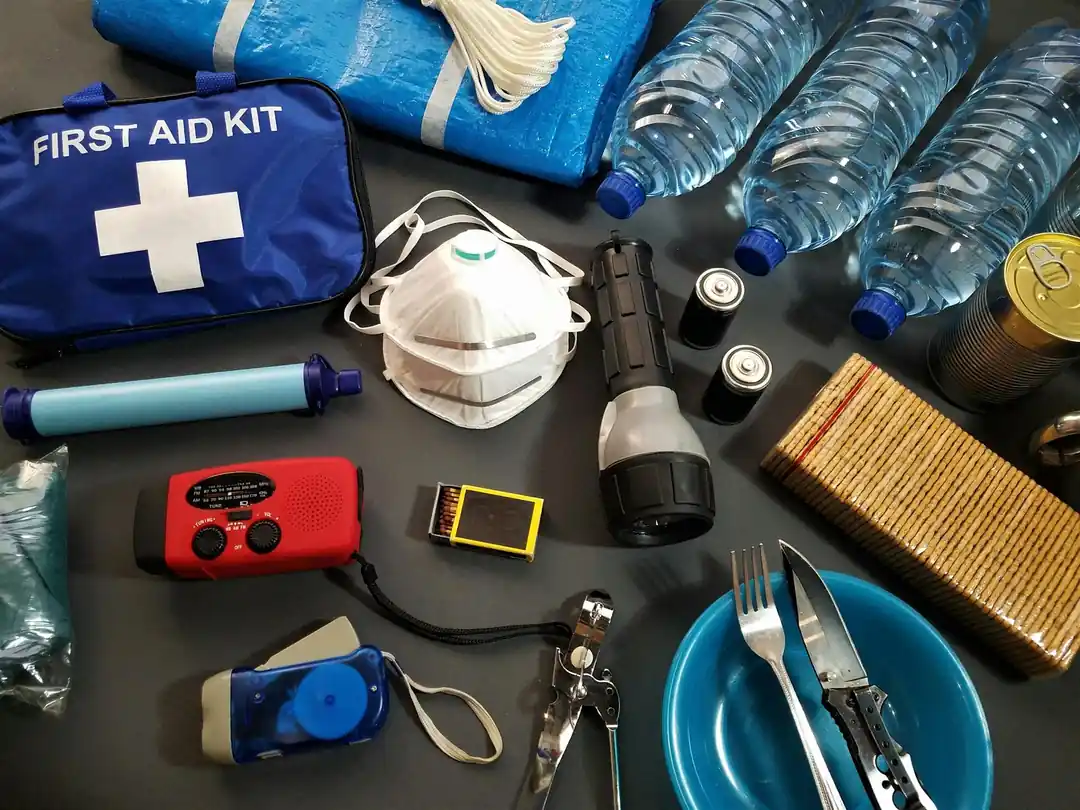
The Un-Glamorous But Essential Guide to Creating a Winter Storm Preparedness Kit
Related Posts
 NUTRITION
The Simple Pre-Workout Fueling Strategy That Saved My Long Runs
Discover how timing your carbohydrates and embracing simple foods can eliminate mid-workout fatigue and unlock your true endurance potential.
 FITNESS
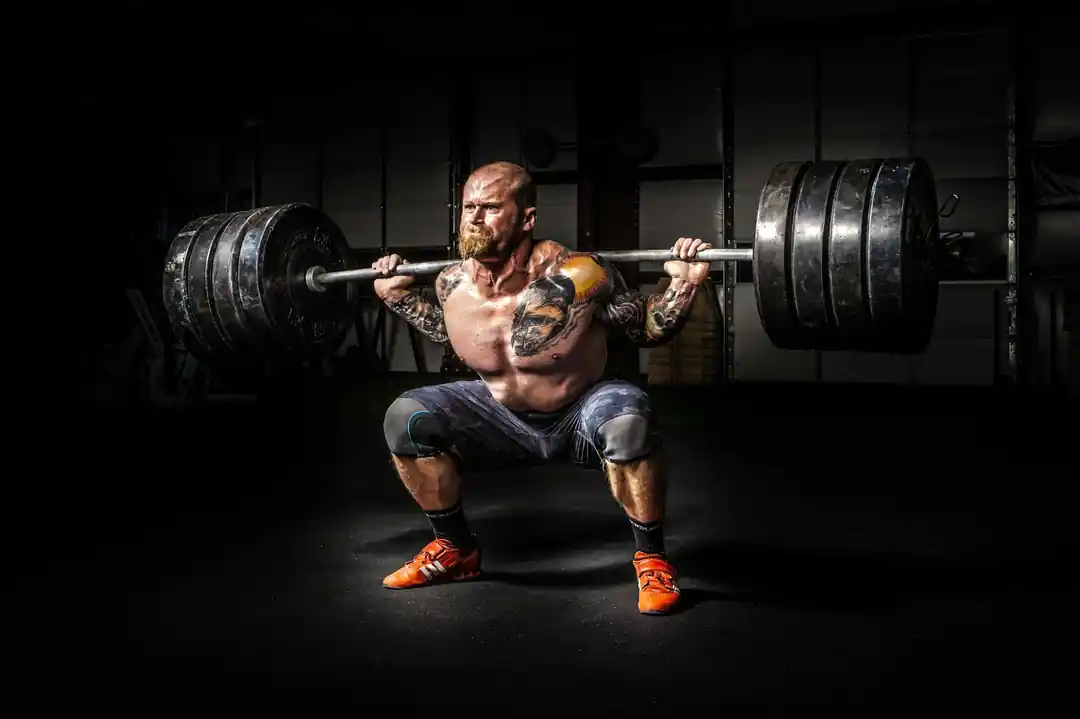
Hollywood Muscle: Steal the Workout Secrets of the Stars
Ever wonder how actors get into superhero shape? It's not movie magic. We're breaking down the real-world fitness routines celebrities use to build serious muscle.

Popular Posts

Rethinking Non-Profit Promotion: Creative Strategies That Actually Drive Event Impact

Beyond Stark White: The Best Interior Paint Colors to Light Up Your New Space

How to Actually Master a New Language on Your Own (No Magic Gene Required)