Think you need a sprawling backyard to have a garden? Think again. Let's explore how you can cultivate a lush, green oasis right inside your small apartment.
I used to scroll through photos of gorgeous, plant-filled homes and feel a pang of what I called "space envy." Living in a city apartment, my connection to nature was mostly limited to the determined weeds growing between cracks in the sidewalk and the occasional park visit. The idea of having my own garden felt like a distant dream, something reserved for people with backyards, balconies, or at least a sun-drenched bay window. My reality was a couple of medium-sized windows and a floor plan that was, to put it generously, cozy.
Honestly, I was convinced that any plant I brought into my home was doomed. I’d tried before, with a sad-looking succulent here and a gifted orchid there, but nothing seemed to last. It felt like a sign that my non-existent green thumb and my limited space were a fatal combination. But then I started to reframe the problem. What if it wasn't about having a ton of space, but about using the space I had more creatively? What if it wasn't about having a "green thumb," but about finding the right plants that could forgive a beginner's mistakes?
This shift in perspective changed everything. I began to see my apartment not as a plant-free zone, but as a collection of opportunities. That narrow windowsill? A potential herb garden. The empty vertical space on my wall? A future living art installation. Starting an indoor garden in a small space isn't about recreating a sprawling botanical garden; it's about curating a personal oasis, a little pocket of green that brings life, clean air, and a surprising amount of joy into your daily life. And trust me, if I can do it, anyone can.
Finding Your Green Companions
The first, and arguably most important, step is choosing the right plants. This is where many beginners (including my past self) go wrong. We pick plants based on looks alone, without considering their needs. When you have limited space and specific light conditions, choosing a plant that fits your environment is the key to success. Think of it as adopting a pet; you want to make sure you can provide a happy home for it.
For most apartment dwellers, low-maintenance and low-light tolerant plants are your best friends. These are the resilient troopers that won't throw a fit if you forget to water them once or if your window doesn't get direct sun all day. The Snake Plant (Sansevieria) is a classic for a reason—it's visually striking, purifies the air, and can handle a bit of neglect. Another fantastic choice is the ZZ Plant, with its glossy, dark leaves that look incredibly chic and require very little light. I have one in a corner that gets almost no natural light, and it's as happy as can be.
Don't overlook the power of trailing plants to create a lush, jungle-like feel without taking up floor space. A Pothos or a Heartleaf Philodendron can be placed on top of a bookshelf or in a hanging planter, and its vines will cascade down beautifully. And for a touch of the culinary, a small herb garden on your kitchen windowsill is a game-changer. Plants like mint, basil, and chives are relatively easy to grow indoors and will elevate your cooking immensely. The key is to be realistic about the light you have and choose plants that will thrive in it.
Getting Creative with Your Space
Now for the fun part: figuring out where to put everyone. When you're short on horizontal surfaces, the only way to go is up. Vertical space is your most underutilized asset, and there are so many brilliant ways to take advantage of it. Wall-mounted planters, tiered plant stands, and hanging baskets are your best friends. A simple set of floating shelves can turn a blank wall into a vibrant display of greenery.
I have a narrow wall in my living room that I've dedicated to a vertical garden. I installed a few simple shelves and filled them with a mix of trailing plants and smaller potted plants. It's become the focal point of the room and a constant source of joy. Hanging planters are also fantastic, especially for corners or near windows. You can hang them from the ceiling or from a tension rod placed in a window frame.
Don't forget about the less obvious spots. The top of your refrigerator, the back of your toilet, or even a sturdy shower caddy can be a home for a plant (a fern would love the humidity in a bathroom!). If you're really serious about growing your own food, you might consider a countertop hydroponic system. These all-in-one kits come with a grow light and a self-watering system, making it incredibly easy to grow herbs and leafy greens right in your kitchen, no matter how little light you have.
The Nitty-Gritty: Soil, Water, and Light
Once you have your plants and a plan, it's time to get your hands dirty. The right foundation is crucial for healthy plants. First, let's talk about soil. Don't just dig up some dirt from outside; it's too dense and can contain pests. You'll want to buy a quality indoor potting mix, which is specifically formulated to provide the right balance of drainage and aeration for container plants.
Watering is where most new plant parents falter. The most common mistake is actually overwatering, not underwatering. Most indoor plants don't like to have "wet feet," which can lead to root rot. A good rule of thumb is to stick your finger about an inch into the soil. If it feels dry, it's time to water. If it's still damp, wait a few more days. The type of pot you use also matters. A terracotta pot will dry out much faster than a plastic or glazed ceramic one. Whatever you choose, make sure it has a drainage hole at the bottom. This is non-negotiable.
Finally, light. Even "low-light" plants need some light to survive. Take a day to observe the light in your apartment. Where does the sun hit? Which rooms are brightest? Place your sun-loving plants (like succulents and herbs) in your brightest spots, and save the darker corners for your low-light champions like the ZZ or Snake Plant. If you're blessed with very little natural light, don't despair. A simple, inexpensive LED grow light can provide the full-spectrum light your plants need to photosynthesize and thrive. It's a small investment that opens up a whole new world of possibilities for your indoor garden.
Starting this journey has been one of the most rewarding things I've done for my home and my well-being. It’s a quiet, meditative hobby that connects you to the rhythms of nature, even in the heart of a bustling city. Watching a new leaf unfurl or a flower bloom is a small miracle that never gets old. So go ahead, start small, and watch your space—and maybe even yourself—begin to grow.
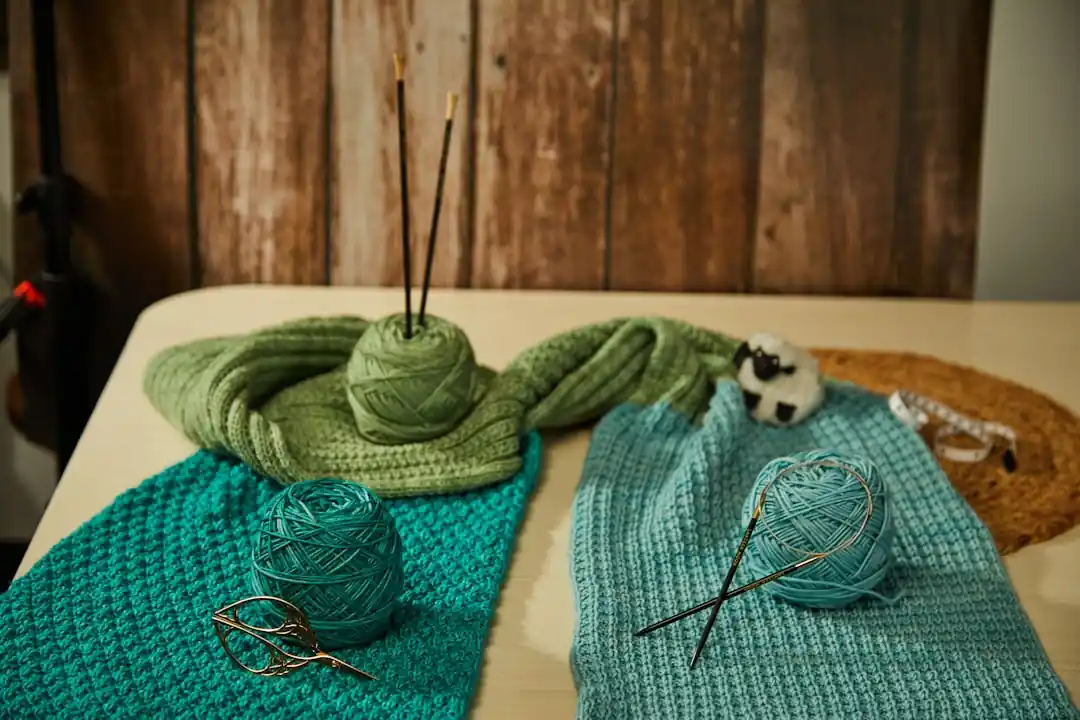
Your First Stitch: A Beginner’s Guide to Essential Knitting Tools
That Holiday Feeling: Is New Year's Eve a Federal Holiday?

Related Posts
 HOBBIES
The Beginner's Guide to Reading the Night Sky: How to Spot Your First Constellations
A friendly, grounded guide to navigating the night sky, understanding stellar movements, and spotting iconic constellations without expensive gear.
 PETS
PETSSniffle-Free Snuggles: America's Most-Loved Hypoallergenic Dogs
Dreaming of a furry friend but dreading the sneezes? You're not alone. Let's dive into the wonderful world of popular hypoallergenic dog breeds in the US.
Popular Posts

Rethinking Non-Profit Promotion: Creative Strategies That Actually Drive Event Impact

Beyond Stark White: The Best Interior Paint Colors to Light Up Your New Space

How to Actually Master a New Language on Your Own (No Magic Gene Required)
