Your Guide to Getting a Bangladesh Visa as a US Citizen
Dreaming of the vibrant streets and lush landscapes of Bangladesh? Here’s everything you need to know about the visa process before you book your flight.
There’s a certain magic to planning a trip to a place that feels worlds away. You read the blogs, scroll through the pictures, and start to imagine yourself right there. For me, Bangladesh has always been one of those destinations—a country painted with the vibrant greens of tea plantations, the chaotic energy of Dhaka's rickshaws, and the serene beauty of its countless rivers. But before you can dive into a plate of delicious biryani or cruise through the Sundarbans, there's a practical hurdle to clear: the visa.
Honestly, the word "visa" can be enough to give any traveler a mild headache. I’ve been there. You start picturing mountains of paperwork and confusing government websites. The good news for US citizens dreaming of Bangladesh is that it’s a completely manageable process. You have a couple of different paths you can take, and knowing the pros and cons of each is the key to starting your adventure on the right foot.
So, let's break it down. Think of me as your friend who’s already done the research, here to walk you through the options so you can get back to the fun part—planning your actual itinerary.
The Big Question: Apply in Advance or Get a Visa on Arrival?
First things first, US citizens absolutely need a visa to enter Bangladesh. This isn't a country where you can just show up with your passport and a smile. The real choice you have to make is when and how you get that visa. Your two main options are getting a visa from a Bangladeshi embassy or consulate in the US before you go, or getting a Visa on Arrival (VOA) when you land in Dhaka.
The Visa on Arrival sounds tempting, right? It feels spontaneous and easy. And yes, it is available for US citizens traveling for tourism, business, or investment. However, I have to share a huge piece of advice that I’ve learned over the years: relying on a VOA can be a massive gamble. The final decision to grant you entry rests entirely with the immigration officer on the day. I’ve read stories on travel forums and even official government advisories warn that airlines might not even let you board your flight without a pre-approved visa.
If you're a bit of a risk-taker and decide to go the VOA route, you need to be prepared. You’ll have to pay the fee (around $51) in cash—they prefer US dollars or British pounds. You’ll also need to show proof of a return flight, a hotel reservation, and evidence that you have at least $500 to support yourself. It’s a lot to juggle after a long flight, and the potential for being denied entry, however small, is a stress I personally would rather avoid.
The Safe Bet: Securing Your Visa Before You Leave
For the sake of your own peace of mind, I wholeheartedly recommend getting your visa before you travel. It takes a bit more planning, but it eliminates all that airport uncertainty. The process starts online, which is a huge plus. You’ll fill out the official application form on the Bangladesh government’s visa website. Be ready to provide details about your passport, your travel plans, and where you'll be staying in Bangladesh.
Once the online form is complete, you'll print it out and gather your supporting documents. The standard tourist visa fee for US citizens is $160. It’s not cheap, and it's non-refundable, so you want to make sure your application is perfect before you submit it. You can mail your application to the Bangladeshi Embassy in Washington D.C. or one of the consulates in New York or Los Angeles, depending on where you live.
Processing times can vary, so don't leave this to the last minute. The standard wait is about two weeks, but it can take longer. My rule of thumb is to start the visa process at least a month before my flight. This gives you a comfortable buffer for any unexpected delays and lets you focus on planning the more exciting parts of your trip.
Your Document Checklist: What You’ll Need
Whether you’re mailing your application or braving the VOA line, your paperwork needs to be in order. Getting this right is the most critical part of the process.
Here’s a simple checklist of what you'll almost certainly need:
- Your Passport: It must be valid for at least six months after your planned trip and have at least two blank pages.
- Visa Application Form: The completed and printed form from the online portal.
- Passport Photos: Two recent, passport-sized photos with a white background. Don't use an old photo; they are strict about this.
- Proof of Travel: A copy of your round-trip flight itinerary.
- Accommodation Details: Hotel reservations for your stay or an invitation letter if you are staying with friends or family.
- Payment: The non-refundable $160 visa fee, usually paid via a money order or certified check if you're mailing it in.
Think of this as your homework. It might feel a little tedious, but having every document perfectly prepared is the secret to a smooth and successful application. It shows you’re a prepared and serious traveler.
A Final Thought Before You Go
Navigating bureaucracy is rarely the highlight of any travel experience, but it’s the key that unlocks the door to a new world. Getting your visa for Bangladesh is just a small, logistical step on the path to an incredible adventure. It’s a country that will touch your heart with its resilience, its natural beauty, and the genuine kindness of its people.
So, take a deep breath, get your documents in order, and start dreaming about the journey ahead. The effort will be more than worth it when you’re finally there, soaking in the sights, sounds, and flavors of a truly remarkable place. Happy travels.
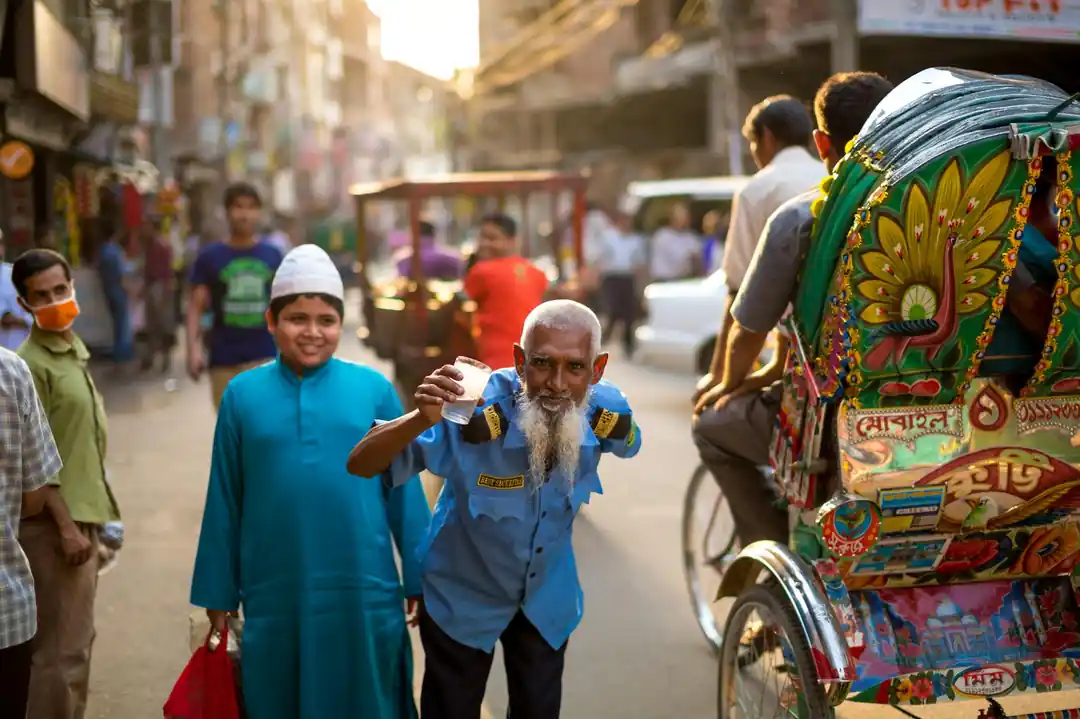
Rickshaws, Ride-Sharing, and Real Adventure: A US Traveler's Guide to Navigating Bangladesh's Cities
Discover the Hidden Gems: Top Tourist Attractions in Bangladesh
Related Posts
 TRANSPORT
Beyond the Highway: Finding Canada's Soul on a Western Rail Adventure
Forget road trips. I'm talking about rediscovering the romance of travel on Via Rail's most scenic routes through the heart of the Canadian West. It’s an experience that changes you.
 TRAVEL TIPS
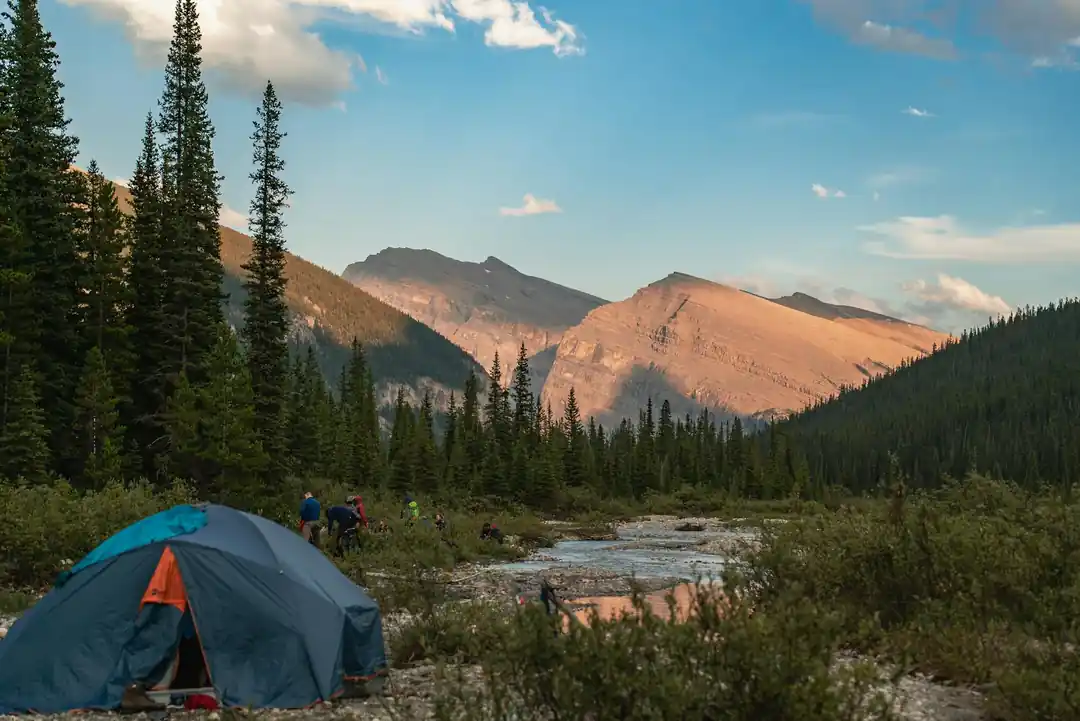
The Unwritten Rules of the North: What to Know Before Camping in Canada
Heading to the Great White North for a camping trip? It's an amazing idea. But from campfire etiquette to wildlife wisdom, here’s what you need to know before you go.

Popular Posts

Rethinking Non-Profit Promotion: Creative Strategies That Actually Drive Event Impact

Beyond Stark White: The Best Interior Paint Colors to Light Up Your New Space

How to Actually Master a New Language on Your Own (No Magic Gene Required)
