Bringing a new baby home is a whirlwind of joy, but what about our furry family members? Let's talk about how to make this big transition smooth and loving for everyone, paws and all.
The nesting instinct is a powerful thing, isn't it? As you prepare for your new baby, every detail of your home gets re-evaluated. You’re washing tiny clothes, assembling furniture, and dreaming of the day you’ll finally bring your little one home. But for those of us with pets, there's an extra layer to this preparation. A quiet question that hums in the back of our minds: "How will my first baby (the furry one) handle my new baby?" It’s a mix of excitement for the future and a touch of anxiety about disrupting the peaceful kingdom your pet currently rules.
I’ve been there. My heart swelled with love for my unborn child, but it also ached a little for my dog, who had been the center of my universe for years. The truth is, our pets are family. We want this transition to be as joyful for them as it is for us. The great news is that with some foresight, patience, and a whole lot of love, you can create a harmonious home where your pet and your baby don't just coexist—they thrive together. It’s not about divided loyalties; it’s about expanding the circle of love.
Before the Baby Arrives: Setting the Stage
The most important work happens long before you bring your baby home. Pets, especially dogs and cats, are creatures of habit and thrive on predictability. A sudden upheaval can be incredibly stressful for them. The key is to introduce changes gradually, making the new reality feel like a natural evolution rather than a shocking event. This proactive approach, recommended by experts at the ASPCA and The Humane Society, is all about desensitization and positive association.
Start by adjusting your pet's routine early. If your dog is used to being the star of the show, with constant lap access and a rigid walking schedule, begin to introduce more flexibility. Vary walk times and feeding times slightly. Encourage them to relax on their own bed instead of always on your lap. For cats, ensure they have plenty of vertical spaces—cat trees or shelves—where they can observe the world from a safe distance. These changes help your pet become more independent and adaptable, so they don't associate the baby's arrival with a sudden loss of privilege.
Next, immerse them in the sensory world of a baby. Set up the nursery, the swing, and the bouncer well in advance. Let your pets sniff and explore these new items under your supervision. Start playing recordings of baby sounds (cries, coos, gurgles) at a low volume while giving treats or playing, creating a positive connection. You can even start wearing baby lotion or powder, so they become accustomed to the new scents. This process turns strange and potentially scary stimuli into normal, everyday parts of their environment.
This is also the perfect time for a training refresher. For dogs, solidifying commands like "sit," "stay," "leave it," and "go to your spot" is invaluable. Practice these in the nursery and around baby furniture. For cats, the primary goal is to establish boundaries. If the crib is off-limits, make it so from the beginning. You can use non-invasive deterrents like double-sided sticky tape or a crib tent to gently discourage them from making it their new favorite nap spot.
The First Introduction: A Calm and Controlled Meeting
The moment your pet and baby meet for the first time is one you'll remember forever. The goal is to make it as calm, positive, and safe as possible. Your own energy is crucial here; your pet will take cues from you, so take a deep breath and project a sense of peaceful confidence. This isn't a moment for grand excitement, but for quiet reverence.
Before you even walk in the door, have a plan. It’s wise for one parent to greet the pet first, alone, allowing them to release their pent-up excitement and get some much-missed affection. While this is happening, have the other parent wait outside or in another room with the baby. Once your pet has settled, you can proceed with the introduction. It's also a fantastic idea to send a blanket or piece of clothing home from the hospital ahead of time for your pet to sniff and investigate.
For the meeting itself, control is key. Keep your dog on a leash, even if you don't expect any issues. Sit down with the baby in your arms and let your pet approach you. Don't force the interaction. Allow them to sniff the baby’s feet, but maintain a safe distance from the baby's face. Reward their calm curiosity with gentle praise or a small treat. For cats, the approach is similar but often more on their terms. Open their carrier in the room and allow them to approach or hide as they see fit.
Keep the initial meeting short and sweet. A few successful minutes are far better than a longer, more stressful encounter. The aim is to build a foundation of positive experiences. Repeat these short, supervised interactions over the next few days, always ending on a good note. This patient and gentle process teaches your pet that this new little creature is a friend, not a threat.

Living in Harmony: The New Normal
Once the initial introduction is over, the real journey begins. Integrating a pet into a life with a newborn is an ongoing process of supervision, management, and, most importantly, love. Your primary responsibility is to ensure the safety of both your baby and your pet. This means that the number one rule, which cannot be overstated, is to never, ever leave your pet and baby unsupervised. Even the most trustworthy pet can react unpredictably to a baby's sudden cry or jerky movement.
Create designated "safe zones" for both your pet and your baby. Use baby gates to create a pet-free zone around the baby's play mat or bassinet. Conversely, make sure your pet has their own sanctuary—a crate, a cozy bed in another room, or a high perch for a cat—where they can retreat and not be bothered. This gives everyone the space they need to feel secure.
Try to maintain as much of your pet’s routine as possible. Consistent feeding times, walks, and play sessions provide a sense of stability in a world that has otherwise changed dramatically. And don't forget one-on-one attention. It’s easy to get consumed by the baby's needs, but carving out even a few minutes of dedicated cuddle or play time with your pet each day reinforces their value and security within the family. You can even multitask—give your dog a chew toy while you feed the baby, or talk to your cat while you rock your little one to sleep.
Finally, learn to read your pet's body language. Averted eyes, lip licking, or a tucked tail in a dog, or a flattened-ear, twitching-tail posture in a cat, are all signs of stress. If you see these signals, it's time to give them space. By respecting their need for distance, you are building trust. This journey requires patience, but the reward—a home filled with the love of both your children, the two-legged and the four-legged—is more than worth it. You are not just raising a baby; you are nurturing a family.
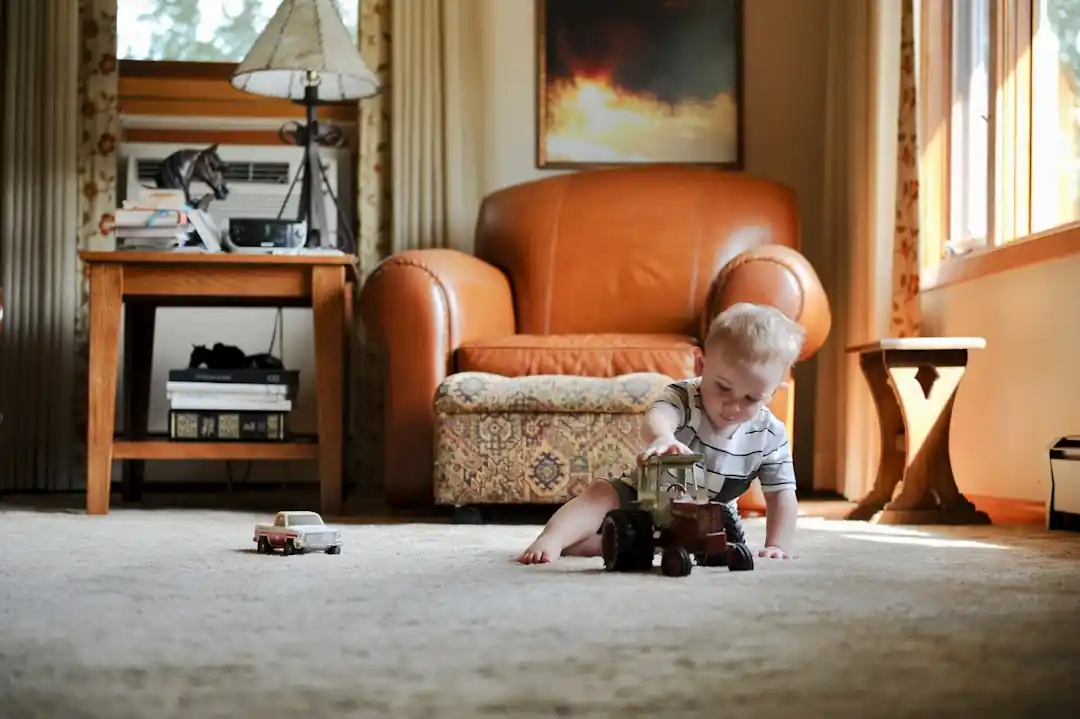
Paws, Play, and Peace of Mind: A Guide to Child-Safe Pet Supplies
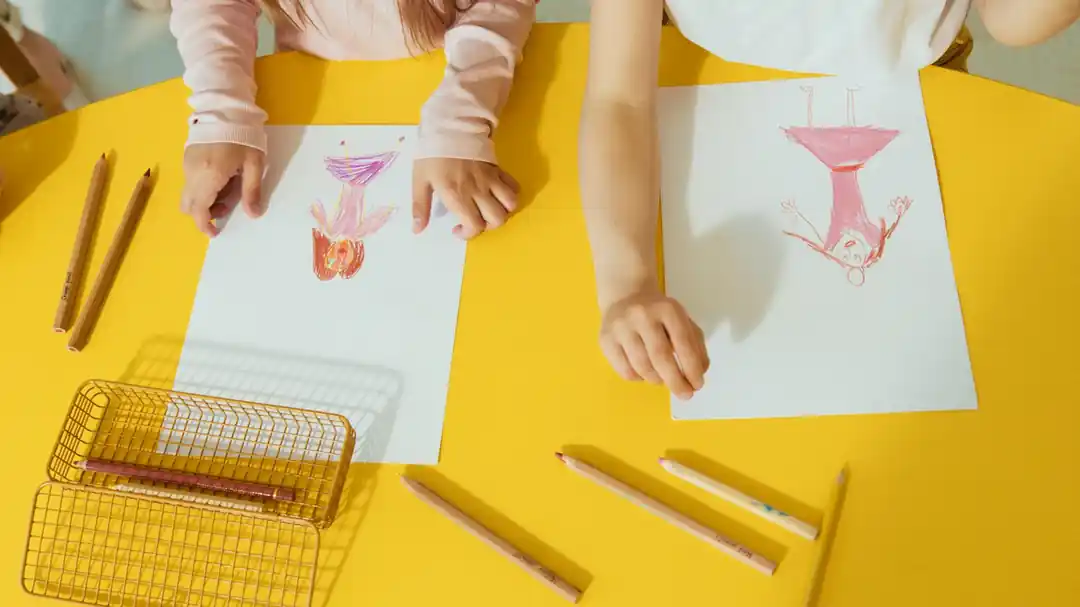
Beyond the Screen: 8 Hobbies That Supercharge Your Child's Development
Related Posts
 HOBBIES
The Beginner's Guide to Reading the Night Sky: How to Spot Your First Constellations
A friendly, grounded guide to navigating the night sky, understanding stellar movements, and spotting iconic constellations without expensive gear.
 PETS
PETSSniffle-Free Snuggles: America's Most-Loved Hypoallergenic Dogs
Dreaming of a furry friend but dreading the sneezes? You're not alone. Let's dive into the wonderful world of popular hypoallergenic dog breeds in the US.

Popular Posts

Rethinking Non-Profit Promotion: Creative Strategies That Actually Drive Event Impact

Beyond Stark White: The Best Interior Paint Colors to Light Up Your New Space

The Simple Pre-Workout Fueling Strategy That Saved My Long Runs