That App Idea in Your Head? You Can Build It (Without Writing a Single Line of Code)
Ever had a brilliant app idea but no clue how to code? The world of no-code AI tools is exploding, and it's turning dreamers into builders. Let's talk about it.
Let’s be honest, how many times have you been stuck in traffic or waiting for your coffee and thought, “You know what would be a great app for this?” We’ve all been there. We have these flashes of brilliance, these ideas for digital tools that could solve a real-world problem, only to have them fizzle out when we remember we don’t know the first thing about Python or JavaScript. For years, the wall between a great idea and a functional app was built with the bricks of complex code.
I used to think that way, too. The world of app development felt like an exclusive club, and I didn't have the secret handshake. But something has fundamentally shifted in the last couple of years. It’s a quiet revolution, but it’s happening on screens in home offices and small businesses across the country. The rise of artificial intelligence hasn't just given us smarter chatbots; it's completely changing how we build things. And the most exciting part? It’s letting people like you and me build things without ever learning to code.
This isn't just a far-off tech fantasy anymore. We're talking about a new class of powerful, intuitive tools that are turning dreamers into creators. It’s a movement that says your ability to solve a problem shouldn't be limited by your ability to write code. And honestly, it’s one of the most significant shifts in technology I’ve seen in my lifetime.
So, What Are We Actually Talking About?
When I say "no-code AI tools," I'm not talking about some watered-down, template-based website builder. I'm talking about sophisticated platforms that let you design, build, and launch fully functional web and mobile applications using a visual, drag-and-drop interface. Think of it like building with digital LEGOs. Each block is a powerful feature—a user database, a payment gateway, a mapping component—and you get to decide how they all fit together.
The "AI" part is where it gets really interesting. These platforms are now integrating artificial intelligence to act as your co-pilot. For example, you can describe the kind of app you want in plain English, and the AI will generate a starting template for you. Some tools, like Bubble, allow you to integrate AI functionalities directly into your app, so you could build an app that summarizes articles, generates images, or powers a smart chatbot, all by connecting to models like those from OpenAI.
It’s a profound change from the old way. Instead of spending months learning syntax and debugging code, your time is spent on what actually matters: the user experience, the features, and the core idea. You’re focused on the "what," and you let the platform handle the "how." This frees up so much creative energy that used to get bogged down in technical hurdles.

The Reality Check: It's Not All Magic
Now, before you rush off to build the next Instagram, let's ground ourselves for a second. While these tools are incredibly powerful, they aren't a magic wand that can do everything. It's important to understand the trade-offs. For one, you're building on someone else's platform. This means you're subject to their pricing, their feature updates, and their limitations.
Performance and scalability can also be a concern. While a no-code app is perfect for a minimum viable product (MVP), a small business tool, or an internal application, it might struggle to handle millions of users with the same efficiency as an app built with custom code from the ground up. You're trading some degree of raw performance and infinite customization for incredible speed and a lower barrier to entry.
And while you don't need to write code, you absolutely need to think like an engineer. You still have to design a database, structure your logic, and think through user workflows. The platform takes care of the syntax, but the architectural thinking? That's still on you. It's less about being a programmer and more about being a problem-solver, which, in my opinion, is the fun part anyway.
Your First Step into a Larger World
So, can you build an app using AI tools with no code? The answer is a resounding yes. More than ever before, the tools are there, they're accessible, and they're surprisingly powerful. Platforms like Glide are fantastic for creating beautiful, data-driven apps from a simple spreadsheet, while tools like Bubble offer deep, powerful workflows for more complex web applications.
The best way to start is to just... start. Pick a small, simple idea. Maybe it's an app to track your favorite local hiking trails, a directory of neighborhood dog walkers, or a personal recipe book. The goal isn't to build a billion-dollar company on your first try. The goal is to experience that incredible moment when you see your idea come to life on a screen.
This journey isn't about replacing developers; it's about empowering more people to build. It's about giving a voice to great ideas, no matter who has them. So go ahead, take that idea that's been rattling around in your head and give it a home. You might just be surprised at what you're capable of building.
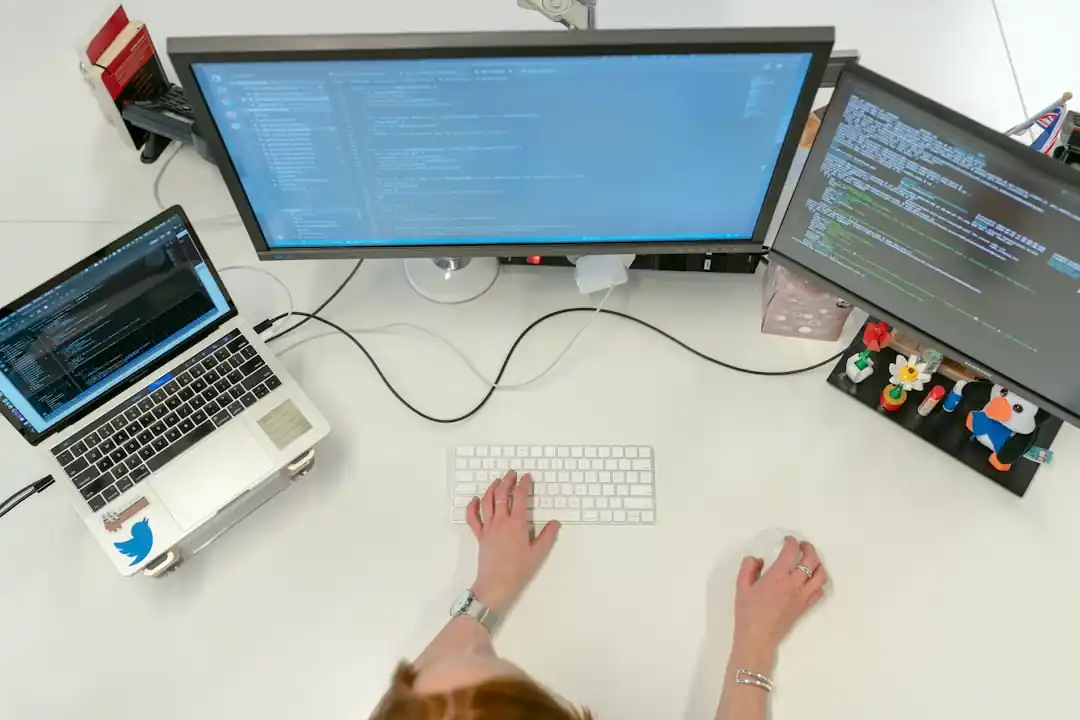
Native, Cross-Platform, or No-Code? Finding the Best Software for Your Mobile App Idea
iOS vs. Android: The Developer's Dilemma in 2026

Related Posts
 MOBILE
The Great Console Debate: How to Choose the Right Gaming System for Your Family
Feeling stuck between a Switch, a PlayStation, and an Xbox? Let's break down which gaming console is the perfect fit for your family's game nights.
 MOBILE
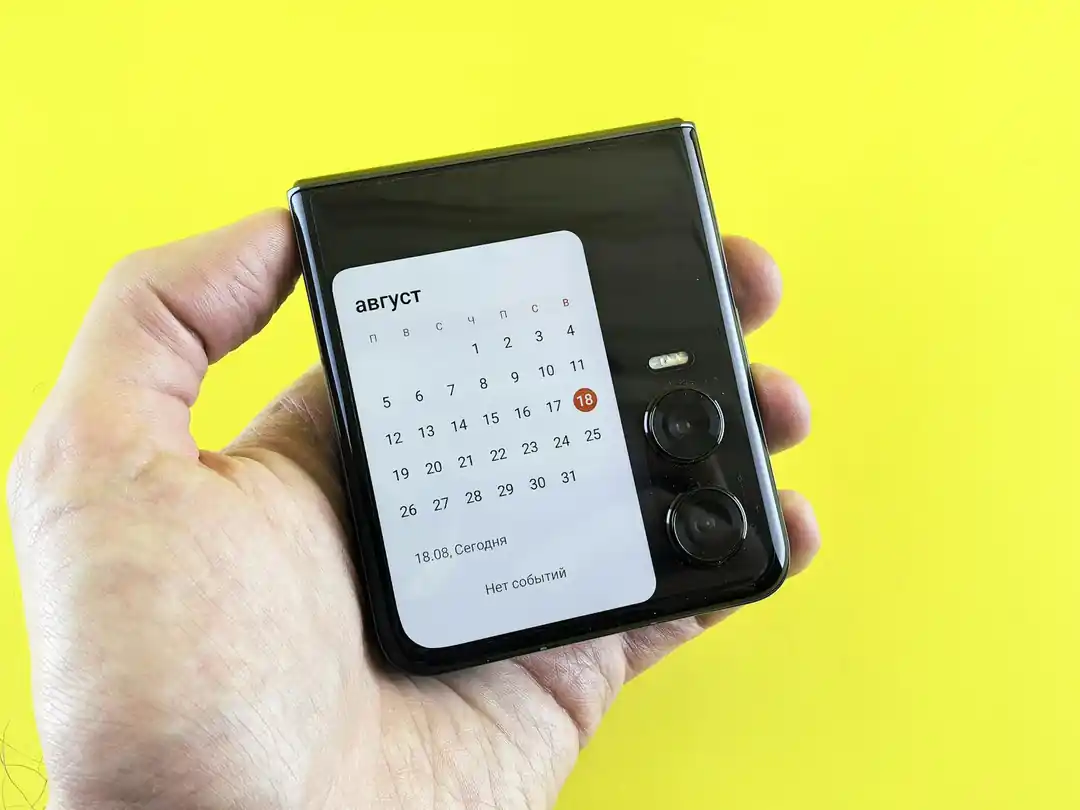
From Fragile to Formidable: The Surprising Evolution of Foldable Phone Durability
Remember when the idea of folding a smartphone screen in half felt like a disaster waiting to happen? Let's talk about how far they've come, because the story is pretty incredible.

Popular Posts

Rethinking Non-Profit Promotion: Creative Strategies That Actually Drive Event Impact

Beyond Stark White: The Best Interior Paint Colors to Light Up Your New Space

How to Actually Master a New Language on Your Own (No Magic Gene Required)