It happened in a flash, but the aftermath can last for months. Let's walk through the confusing car accident settlement process together, one step at a time.
It’s a sound you’ll never forget—the screech of tires, the sickening crunch of metal. One minute, you’re thinking about what to make for dinner or humming along to the radio; the next, you’re standing on the side of the road, heart pounding, trying to process what just happened. A car accident is a deeply unsettling experience, a violent interruption to the normal rhythm of life. But after the initial shock wears off and the tow trucks have gone, you’re left with a new kind of challenge: the settlement process. It’s a world of adjusters, demand letters, and negotiations that can feel just as jarring as the accident itself.
Honestly, before I ever had to deal with it, I pictured a simple, straightforward conversation with an insurance company. The reality is far more complex and, frankly, emotionally draining. You're not just dealing with a damaged vehicle; you're managing injuries, lost time from work, and a mountain of paperwork, all while trying to get your life back on track. It feels like a full-time job you never applied for. So, let's pull back the curtain and walk through this journey together, making it a little less mysterious and a lot more manageable.
The First 24 Hours: Your Post-Accident Checklist
What you do in the immediate aftermath of an accident can significantly shape the entire settlement process. It’s hard to think clearly when adrenaline is coursing through your veins, but a few deliberate actions can protect your health and your claim. First and foremost, assess for injuries. Your well-being is the top priority. Call 911 immediately if anyone is hurt, if the cars are in a dangerous spot, or if the damage is substantial. Even if you feel fine, it's a good idea to get a medical evaluation. Some serious injuries, like whiplash or internal bruising, don't present symptoms for hours or even days.
Once you've ensured everyone is safe, your focus should shift to documentation. If you can, use your phone to become a detective. Take photos and videos of everything: the damage to all vehicles from multiple angles, skid marks on the road, traffic signals, and the general scene. Exchange information with the other driver—name, address, phone number, and insurance details are crucial. It’s also wise to get the names and numbers of any witnesses. Their neutral perspective can be invaluable. Throughout this process, it's important to stick to the facts. Avoid apologizing or admitting fault, as these statements can be used against you later, even if you were just being polite.
Finally, you need to notify your insurance company. Most policies require you to report an accident promptly, regardless of who was at fault. This kickstarts the claims process. When you make the call, be prepared to provide the basic facts of the accident. The insurance company will assign a claims adjuster to your case, whose job is to investigate what happened. This is the person you’ll be dealing with for the foreseeable future, so starting the relationship on a clear and factual basis is key.
The Investigation and Demand Phase: Building Your Case
After you’ve filed the claim, the process moves into a new, slower-paced phase: the investigation. The insurance adjuster will review the police report, your photos, witness statements, and the other driver's account of the accident. They are trying to determine liability—or who was at fault—and the extent of the damages. During this time, it’s crucial to keep meticulous records of everything related to the accident. Create a folder for medical bills, receipts for prescriptions, car rental expenses, and a log of any days you missed from work.
If you were injured, your focus should be on your recovery. Follow your doctor's treatment plan to the letter. Stopping treatment prematurely can be a red flag for an insurance company, who might argue that your injuries weren't as severe as you claimed. Once you have reached what's known as "Maximum Medical Improvement" (MMI)—the point where your doctor says you are either fully recovered or your condition has stabilized—you can begin to calculate the full scope of your damages. This includes not only your medical bills and lost wages (known as special damages) but also compensation for your pain and suffering (general damages).
This is typically when a "demand letter" is sent to the insurance company. This formal document, often prepared by an attorney, lays out the facts of the case, details your injuries and financial losses, and makes a specific monetary demand for settlement. It’s the opening shot in the negotiation process. The adjuster will review your demand, compare it to their own evaluation, and come back with a counteroffer, which is almost always significantly lower than what you asked for.
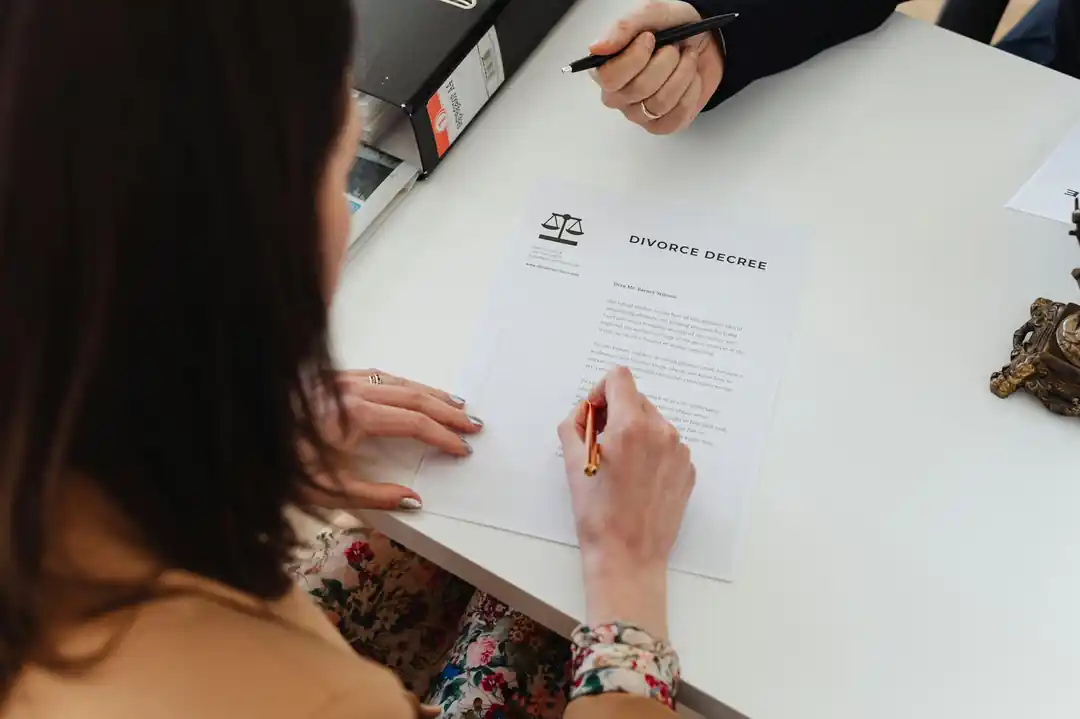
The Art of Negotiation: The Back-and-Forth
Here is where the real battle often begins. The negotiation phase is a delicate dance of offers and counteroffers. The insurance adjuster’s job is to save their company as much money as possible, so their initial offer will likely feel insulting. It’s important not to get discouraged. This is standard practice. Your job, or your attorney's, is to respond with a counter-demand, justifying why the initial offer is inadequate by referencing your evidence—medical records, expert opinions, and documentation of your pain and suffering.
This back-and-forth can take weeks or even months. Patience is your greatest asset here. Each time you communicate with the adjuster, remain calm, professional, and firm. Keep the conversation focused on the facts and the evidence you’ve collected. If you have a strong case, the adjuster will gradually increase their offer as you counter their arguments with well-documented proof of your losses. It’s a war of attrition, and the party with the better documentation and more patience often comes out ahead.
Most car accident claims are settled in this phase, without ever seeing the inside of a courtroom. However, if the insurance company refuses to offer a fair settlement, you have to be prepared for the next step. This is the point where having an experienced personal injury attorney becomes absolutely critical. They can advise you on whether the final offer is fair or if it’s time to file a lawsuit and take the fight to the next level.
Reaching the Finish Line: Settlement and Beyond
When you finally agree on a number, you’ve reached a settlement. The insurance company will send you a settlement agreement, which is a legal document that releases them from all future liability related to the accident in exchange for the agreed-upon payment. It is absolutely vital to read this document carefully before signing. It essentially says that once you accept the money, you can never come back and ask for more, even if you discover new injuries later.
After you sign the release, the check is issued. It’s important to understand that the full amount doesn't always go directly into your pocket. First, any liens against your settlement must be paid. A lien is a legal claim on your settlement funds. This could be from your health insurance company, which wants to be reimbursed for the medical bills it paid, or from a hospital that treated you. Your attorney will negotiate these liens down to ensure you receive the maximum possible amount from your settlement.
The car accident settlement process is a marathon, not a sprint. It’s a journey that demands resilience and meticulous attention to detail. It forces you to become an advocate for yourself during a time when you feel most vulnerable. But by understanding the road ahead, you can navigate it with more confidence and ensure that you are treated fairly. It’s about more than just money; it’s about closing a painful chapter and getting the resources you need to truly move forward.

That Big Check Is in Your Hand. Now What? A Guide to Your Insurance Settlement
Beyond the Bar: How to Write a Business Plan for Your New Law Practice

Related Posts
 BUSINESS
Rethinking Non-Profit Promotion: Creative Strategies That Actually Drive Event Impact
Discover modern, research-backed strategies for promoting non-profit fundraisers, from experiential marketing to hyper-local micro-influencers and cross-sector partnerships.
 BUSINESS
Is the TV Ad Dead? A Deep Dive into Cost and Effectiveness in 2024
In an age of streaming and scrolling, is a TV commercial still a smart bet for brands? We're breaking down the real costs and surprising effectiveness of television advertising today.

Popular Posts
Rethinking Non-Profit Promotion: Creative Strategies That Actually Drive Event Impact

Beyond Stark White: The Best Interior Paint Colors to Light Up Your New Space

How to Actually Master a New Language on Your Own (No Magic Gene Required)
