The magic of Christmas Eve is in the air, but for our furry family members, it can be a minefield of hidden dangers. Let's make sure their night is as peaceful and safe as ours.
Christmas Eve. There’s a certain hush to it, isn’t there? A feeling of quiet anticipation hangs in the air, thick with the scent of pine needles and baking cookies. The house is aglow with twinkling lights, presents are nestled under the tree, and there’s a palpable sense of magic. For us, it’s a cherished time of peace and joy. But I’ve learned to ask myself: what does this magical night feel like for the four-legged members of our family?
Honestly, I used to assume my pets were just as swept up in the festive spirit as I was. But then I started noticing the little things. The way my dog would pace restlessly when the doorbell rang one too many times, or how my cat would vanish into thin air, only to be found hours later hiding in a closet. It dawned on me that our holiday wonderland can be a bewildering, and sometimes hazardous, landscape for them. Their world, usually so predictable, is suddenly turned upside down.
It’s not that they’re trying to be naughty; they’re just reacting to a massive sensory overload. New sights, strange smells, unfamiliar faces, and a break in their routine can be incredibly stressful. And that’s before we even get to the physical dangers lurking in plain sight. Ensuring they have a calm, safe Christmas Eve isn’t about dampening the holiday spirit; it’s about extending that spirit of love and care to them, too.
The Hidden Dangers in a Decorated Hall
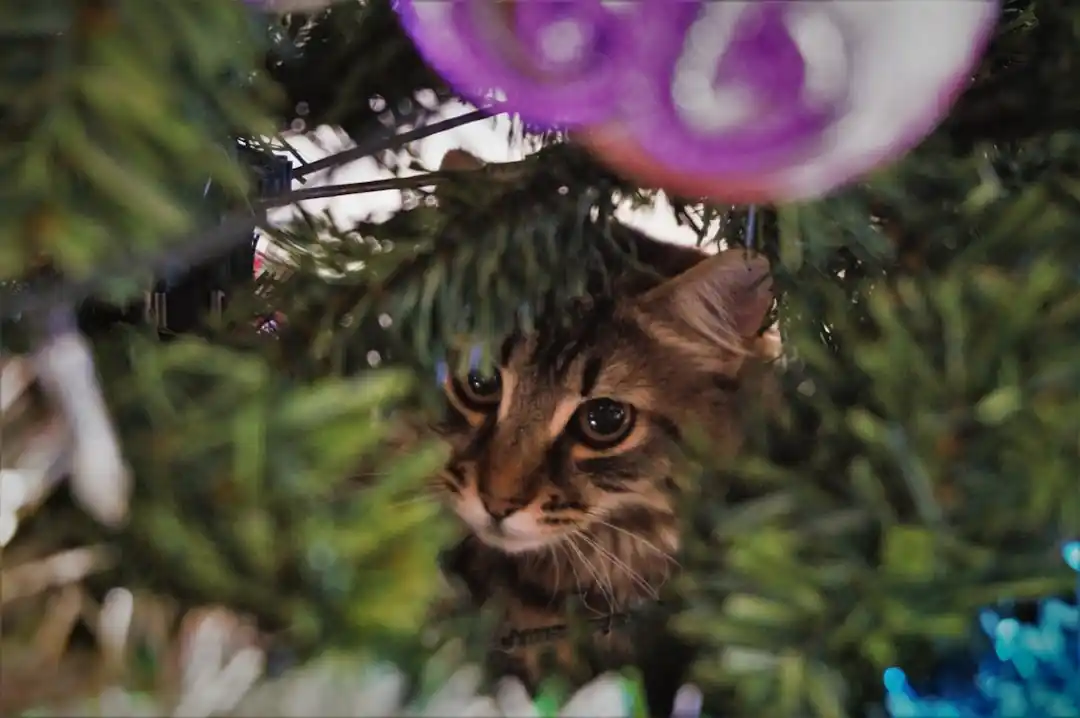
Our beautifully decorated homes are a minefield of temptations for a curious pet. That magnificent Christmas tree, for instance, is a giant, glittering jungle gym. If you have a real tree, be aware that the water in the stand can be a toxic cocktail of bacteria, fertilizers, and preservatives. A simple tree skirt or a creative barrier can prevent them from taking a dangerous drink. The pine needles themselves, if ingested, can cause oral irritation and stomach upset.
Then there are the ornaments. Tinsel is famously perilous, especially for cats. Its sparkly, stringy nature is irresistible, but if swallowed, it can cause a life-threatening intestinal blockage that often requires emergency surgery. I’ve completely sworn off it in my home for this reason. Glass ornaments can shatter into razor-sharp shards, posing a risk to paws and mouths. And those twinkling lights? The electrical cords are a prime target for chewing, which can lead to severe burns or electrocution. Securing cords, opting for shatterproof ornaments, and placing delicate items high up on the tree are small adjustments that make a huge difference.
A Feast Fit for a King (But Not for a Pet)
The kitchen is the heart of Christmas Eve, with delicious aromas wafting out all day. It’s so tempting to let our pets join in the feast, but this is where we must be the most vigilant. Many of our favorite holiday foods are toxic to them. Chocolate is a big one; it contains theobromine, which is poisonous to both dogs and cats. The darker the chocolate, the more dangerous it is.
Onions, garlic, leeks, and chives—staples in stuffing and gravy—can damage their red blood cells and cause anemia. Grapes and raisins, found in many fruitcakes and Christmas puddings, can cause acute kidney failure in dogs. And we can't forget xylitol, an artificial sweetener lurking in many sugar-free baked goods, which is extremely toxic to dogs, causing a rapid drop in blood sugar and potential liver failure. Even a seemingly harmless plate of leftovers can be problematic; rich, fatty foods like turkey skin or ham can trigger a painful and serious condition called pancreatitis. The safest rule is a simple one: your plate is for you, and their bowl is for them.
Creating a Sanctuary Amidst the Celebration
Beyond the physical hazards, the sheer energy of Christmas Eve can be overwhelming for a pet. The constant stream of guests, the loud music, the excited chatter—it can all lead to significant stress and anxiety. One of the kindest things you can do is create a designated "safe zone" for them. This could be a spare bedroom, a laundry room, or even a quiet corner of your study.
Make this space a true sanctuary. Fill it with their favorite bed, familiar toys, a bowl of fresh water, and perhaps a piece of your clothing that smells like you. For cats, ensure there’s a litter box in there as well. Let your guests know that this area is off-limits, so your pet has a place to retreat and decompress without being disturbed. Playing some soft, classical music or a white noise machine in their sanctuary can also help to muffle the party sounds. It gives them a sense of control, allowing them to choose when to engage and when to rest.
Sticking to their routine as much as possible is another powerful tool. A long walk earlier in the day can help burn off nervous energy. Feeding them at their usual time, in their quiet space, provides a comforting anchor of normalcy in a chaotic day. It’s these small acts of consideration that transform a potentially stressful night into a peaceful one for them.
As the evening winds down and a quiet peace settles over the house, there’s nothing better than seeing your pet curled up, safe and content. That, to me, is the true spirit of a silent night. It’s a night where every member of the family, furry or not, feels secure, loved, and at peace. Wishing you and your beloved companions a very merry and safe Christmas Eve.

Can You Really Buy Lottery Tickets Online? A Look at How It Works in the U.S.
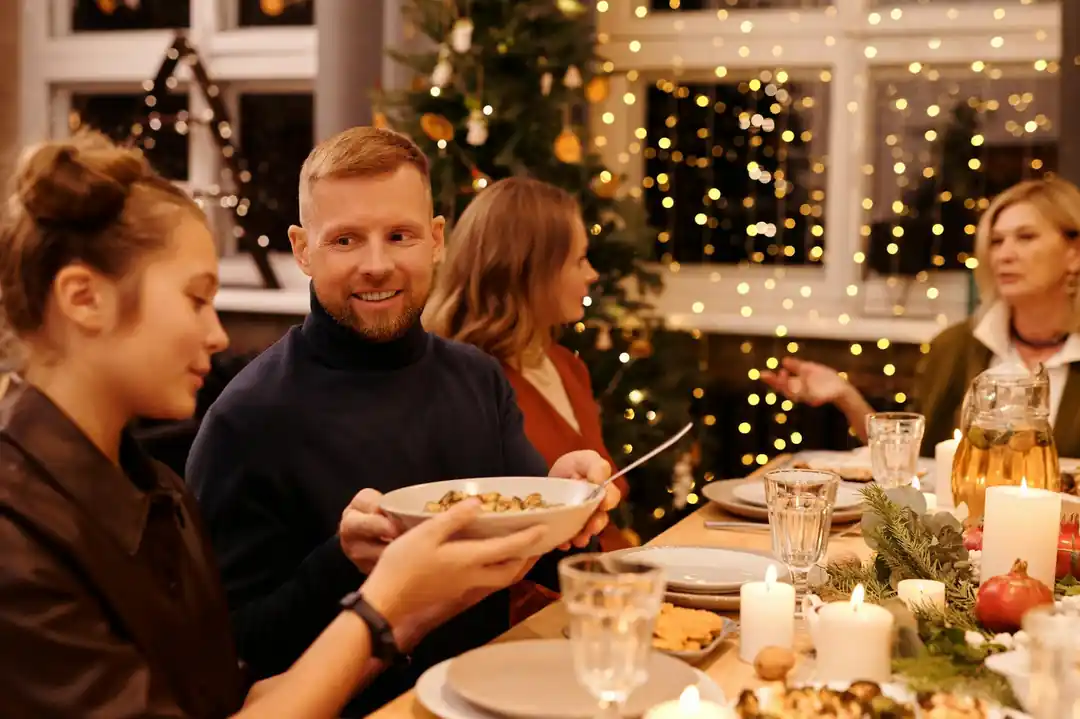
Your Guide to a Genuinely Stress-Free Christmas Eve Dinner
Related Posts
 HOBBIES
The Beginner's Guide to Reading the Night Sky: How to Spot Your First Constellations
A friendly, grounded guide to navigating the night sky, understanding stellar movements, and spotting iconic constellations without expensive gear.
 PETS
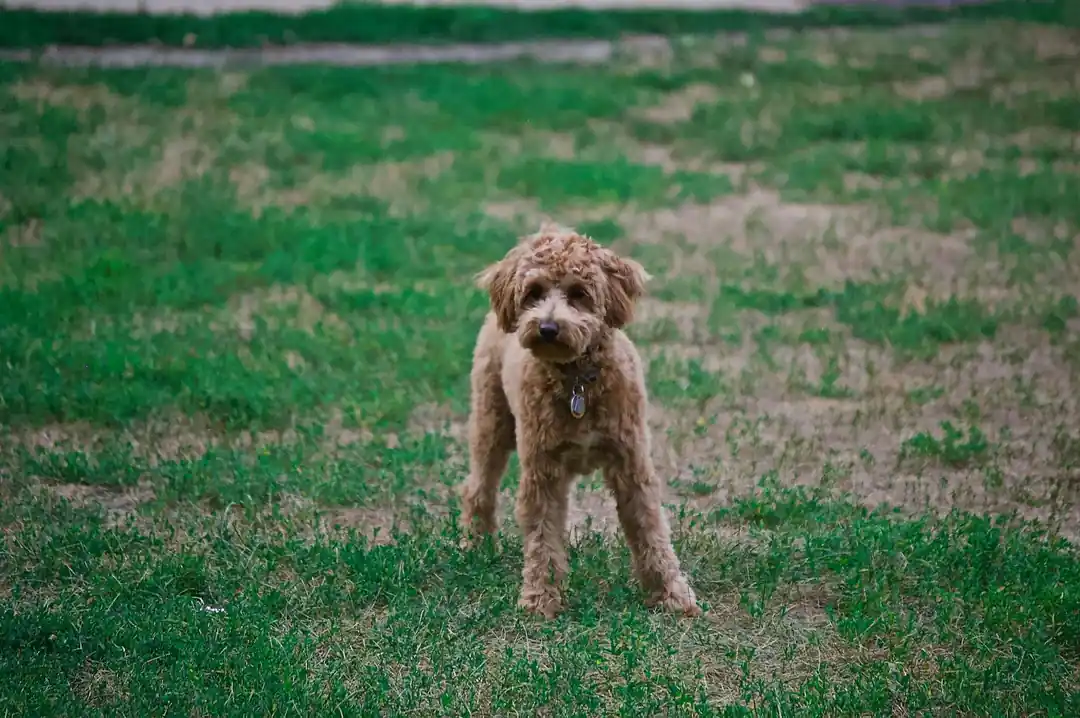
PETSSniffle-Free Snuggles: America's Most-Loved Hypoallergenic Dogs
Dreaming of a furry friend but dreading the sneezes? You're not alone. Let's dive into the wonderful world of popular hypoallergenic dog breeds in the US.

Popular Posts

Rethinking Non-Profit Promotion: Creative Strategies That Actually Drive Event Impact

Beyond Stark White: The Best Interior Paint Colors to Light Up Your New Space

The Simple Pre-Workout Fueling Strategy That Saved My Long Runs