That alarming crack on your favorite tree isn't a death sentence. Let's talk about what frost cracking is and the simple steps you can take to protect your leafy friends this winter.
There’s a certain quiet magic to a winter morning, isn't there? The world is hushed, the air is crisp, and everything seems to be holding its breath under a blanket of frost or snow. But as I was sipping my coffee and gazing out the window last winter, I noticed something that broke the serene spell: a long, vertical crack running up the trunk of my young maple tree. My heart sank. It looked so raw and painful, like a deep wound on something I cared for.
I honestly used to think that trees were just… fine. That they were these stoic, self-sufficient giants that didn't need much from us. But seeing that crack, which I later learned is called a "frost crack," was a real wake-up call. It’s a surprisingly common issue, especially here in the US where winter temperatures can swing so dramatically. It’s not just a cosmetic flaw; it’s a vulnerability, an open door for pests and disease.
It turns out, with a little bit of understanding and some proactive care, we can do a lot to help our trees weather the cold. It’s about working with nature, giving our trees the support they need to stand strong against the harshest season. So, let's get into what causes these alarming splits and what we can do to keep our leafy neighbors safe and sound.
What Exactly Is a Frost Crack?
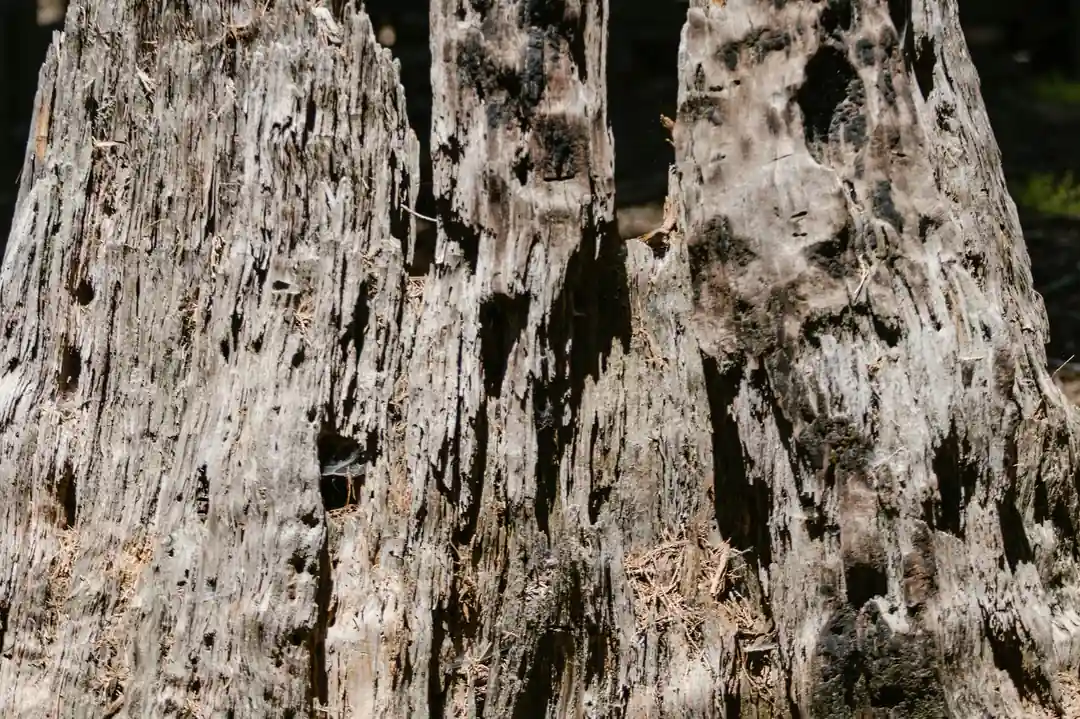
So, how does a sturdy tree just split open in the cold? It’s not the cold itself, but the rapid change in temperature. You’ve probably heard of "southwest injury," and it’s directly related to this. On a bright, sunny winter day, the sun's rays, even though they feel weak to us, can warm up the bark of a tree significantly, especially on its south and southwest sides. This warmth causes the outer layer of bark and the living tissues just beneath it to expand.
Then, as the sun sets or ducks behind a thick cloud, the temperature plummets. The warm outer bark cools and contracts very quickly. The problem is, the inner, deeper wood is still cold and contracts much more slowly. This difference in contraction speed creates immense internal pressure. When that stress becomes too much to bear, the wood and bark can literally rip apart, sometimes with an audible "crack" that sounds like a rifle shot. It’s a stark reminder of the powerful forces at play in the natural world.
This is why young, thin-barked trees like maples, lindens, willows, and fruit trees are particularly vulnerable. Their "skin" just isn't thick enough yet to provide the insulation needed to buffer against these extreme temperature swings. It’s a tough welcome to the world for a young tree trying to get established.
Your Winter Tree Care Toolkit
The good news is that preventing frost cracks isn't complicated. It’s about giving your trees a little extra armor and support before the worst of the winter hits. Think of it as tucking them in for their long winter nap.
The most effective method, by far, is to wrap the trunks of vulnerable trees. Using a commercial-grade paper tree wrap or a light-colored plastic tree guard is a fantastic idea. The light color reflects the intense winter sun, preventing the bark from heating up in the first place. This simple step dramatically reduces the temperature differential that causes the cracking. You should put the wrap on in the late fall, after the leaves have dropped, and be sure to remove it in the spring as the weather warms up. Leaving it on can trap moisture and create a cozy home for pests.
When you wrap, start from the base of the tree and work your way up to the first set of branches, overlapping the layers by about a third, like you’re wrapping a bandage. This ensures there are no gaps for the sun to sneak through. Beyond wrapping, making sure your trees are well-watered throughout the fall before the ground freezes is crucial. A hydrated tree is a healthier and more resilient tree. Finally, applying a two- to four-inch layer of mulch around the base (but not touching the trunk!) helps insulate the soil, protecting the roots from the freeze-thaw cycle and conserving moisture.
"Oops, I Already Have a Crack"—Now What?
If you’re reading this and looking at a tree that already has a frost crack, take a deep breath. It’s usually not a fatal wound. Trees have an amazing ability to heal themselves. Over time, your tree will form special "callus" wood around the edges of the crack, slowly sealing it off in a process called compartmentalization.
The most important thing you can do is… nothing. Resist the urge to fill the crack with paint, tar, or any kind of sealant. I know, it feels like you should be putting a bandage on it, but these materials can actually trap moisture and decay-causing fungi, making the problem worse. The best approach is to let the tree handle it.
Your job is to be a supportive caregiver. Keep an eye on the crack to make sure it isn't becoming a home for insects or showing signs of disease. Focus on overall tree health: water it during dry spells in the spring and summer and ensure it has the nutrients it needs. A healthy, vigorous tree is much better at healing its own wounds. If the crack is exceptionally large or you’re worried about the tree's structural integrity, it’s never a bad idea to call a certified arborist for a professional opinion.
Watching over the trees in our care is a quiet, rewarding partnership. They give us so much—shade, beauty, life—and in return, they sometimes need a little help from us to face the harshest elements. By taking these simple steps, you’re not just preventing a scar on a tree trunk; you’re preserving a living landmark for many seasons to come.

Can't Hit That Note? How to Gently Expand Your Vocal Range
Unlock Your Drumming Potential: A Deep Dive into the Moeller Method

Related Posts
 HOBBIES
The Beginner's Guide to Reading the Night Sky: How to Spot Your First Constellations
A friendly, grounded guide to navigating the night sky, understanding stellar movements, and spotting iconic constellations without expensive gear.
 PETS
PETSSniffle-Free Snuggles: America's Most-Loved Hypoallergenic Dogs
Dreaming of a furry friend but dreading the sneezes? You're not alone. Let's dive into the wonderful world of popular hypoallergenic dog breeds in the US.

Popular Posts

Rethinking Non-Profit Promotion: Creative Strategies That Actually Drive Event Impact

Beyond Stark White: The Best Interior Paint Colors to Light Up Your New Space

How to Actually Master a New Language on Your Own (No Magic Gene Required)
