Ever dreamed of writing a script that makes people genuinely laugh? It's more about structure and character than you think. Let's break down the basics.
Let’s be honest for a second. Sitting down to write a comedy script feels a bit like trying to perform alchemy. You have this blank page, and the goal is to fill it with words that will somehow, magically, make another human being laugh out loud. For the longest time, I was convinced it was a dark art, a gift bestowed upon a chosen few who just saw the world in a funnier way. It felt intimidating, almost impossible.
But here’s the secret I stumbled upon after countless hours of reading scripts and writing terrible, terrible jokes: comedy isn’t just magic. It’s a craft. It’s a set of tools and structures that anyone can learn. Sure, a unique voice is your special ingredient, but the fundamentals? They’re learnable. It’s about understanding why we laugh, and then building a story that systematically creates those moments of joy. So, if you've ever wanted to try your hand at it, let's pull back the curtain together.
The Anatomy of a Joke: It's Not Just Punchlines
The first mistake most of us make is thinking comedy is all about the punchline. We try to stuff a gag into every line, creating a frantic, exhausting experience for the reader. The truth is, the best comedy comes from a place of truth, surprise, and character. It’s about setting up an expectation and then twisting it in a way the audience didn't see coming. Think of it as a delightful little betrayal.
Most humor is rooted in a few core concepts. There's the comedy of recognition, where we laugh because we see our own ridiculous habits or thoughts reflected on the page. There's the comedy of surprise, where the story takes a sharp, unexpected turn. And there's the power of incongruity—mashing two things together that have no business being in the same universe, like a hardened detective who is terrified of pigeons.
Your job as a writer isn't just to write jokes, but to build a "joke-delivery system." This means creating a world and a situation where humor can arise naturally. It’s about building tension and then providing a hilarious release. The context is everything. A man slipping on a banana peel can be cheap slapstick, but if that man is a world-famous, incredibly arrogant brain surgeon on his way to accept a Nobel Prize? Now you have a story.
Your Cast of Characters: The Heartbeat of Humor
If there is one thing you should tattoo on the inside of your eyelids, it’s this: character is everything. A string of clever jokes might get a few chuckles, but an audience will only truly, deeply laugh when they are invested in the people on the page. Funny situations are great, but a funny character reacting to a dramatic situation is comedy gold.
Forget about writing "funny" people. Instead, write flawed, interesting, and specific people. Humor doesn't come from a character trying to be witty; it comes from their core personality clashing with the world around them. What are their deepest desires? What are their most embarrassing fears? What are their weird little hypocrisies? A character who desperately wants to be seen as sophisticated but chews with their mouth open is instantly more interesting—and funnier—than someone who just spouts one-liners.
The most memorable comedic characters are often in immense pain (emotionally, of course). They are trying their absolute best to achieve a goal, but their own flaws and the absurdity of the world keep getting in the way. Their struggle is what we connect with. We don't laugh at them as much as we laugh with them, recognizing a little bit of our own messy, imperfect selves in their journey. Before you write a single line of dialogue, know your characters inside and out.
Structuring the Laughs: Building Your Script
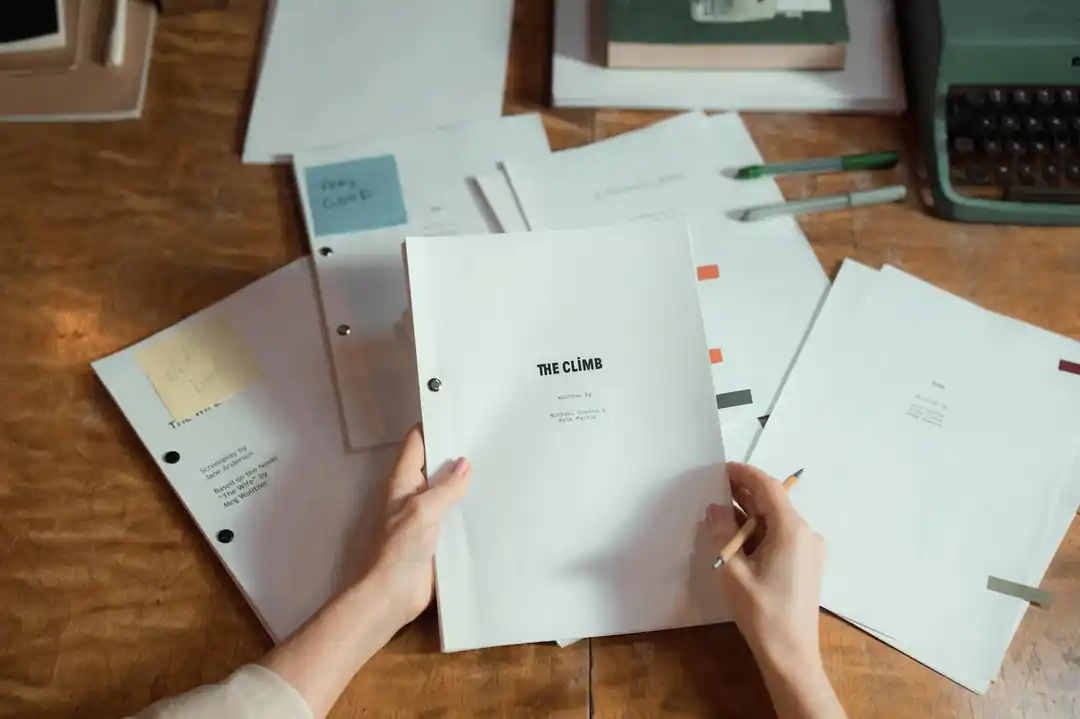
A blank page is terrifying, so don't start with one. Comedy, like any story, needs a skeleton to hang on, and that skeleton is structure. Whether you’re using a classic three-act structure or a more modern sequence-based approach, having a roadmap is essential. It helps you build momentum, raise the stakes, and ensure your story doesn't just meander aimlessly.
Think about pacing. A comedy script needs to breathe. You can't have a joke in every single line. You need moments of setup, of quiet character building, and of genuine emotion. These moments of "laying pipe" (providing exposition) make the funny parts hit even harder. They give the audience a moment to catch their breath and recalibrate before the next wave of laughter. The rhythm of setup-punch, tension-release is fundamental to keeping your audience engaged.
One of the most reliable tools in your arsenal is the "Rule of Threes." It’s a simple but incredibly effective comedic pattern. You establish a pattern with two similar items, and then you subvert it with the third. For example: "For my vacation, I need to pack my swimsuit, my sunscreen, and my crippling sense of self-doubt." The first two items set an expectation, and the third one shatters it in a surprising and funny way. Look for opportunities to use this pattern in dialogue, actions, and even scene structure.
The Polish Pass: Dialogue, Rewriting, and Feedback
Your first draft is never going to be your best draft. It’s not supposed to be. The real work of writing begins in the rewriting process. This is where you take your raw story and start sharpening the jokes, refining the dialogue, and cutting anything that doesn't serve the story or a laugh. Be ruthless. If a joke feels forced, or if a scene is dragging, it has to go.
Read your dialogue out loud. Does it sound like something a real person would say? Or does it sound like a writer trying to be clever? Each character should have a unique voice and rhythm. The way your hyper-caffeinated tech bro character speaks should be wildly different from your world-weary, seen-it-all grandmother. Subtext is also your friend—often, what a character doesn't say is funnier than what they do.
Finally, find a trusted reader. And by trusted, I don't mean your mom (unless your mom is a seasoned comedy writer). You need someone who can give you honest, constructive feedback. Is the story clear? Are the characters relatable? And the most important question: did they laugh? And where? Getting notes is not a sign of failure; it's an essential part of the process that every single professional writer relies on.
Writing comedy is a journey of trial and error. It’s about being an observer of human absurdity and having the courage to put your unique perspective on the page. So go on, embrace the process, write that "terrible" first draft, and have fun with it. The world could always use a little more laughter, and there's no greater feeling than knowing you were the one who caused it.

Unlock the Magic: 3 Deceptively Simple Card Tricks Anyone Can Master
Your New Piercing's Best Friend: An Aftercare Guide

Related Posts
 HOBBIES
The Beginner's Guide to Reading the Night Sky: How to Spot Your First Constellations
A friendly, grounded guide to navigating the night sky, understanding stellar movements, and spotting iconic constellations without expensive gear.
 PETS
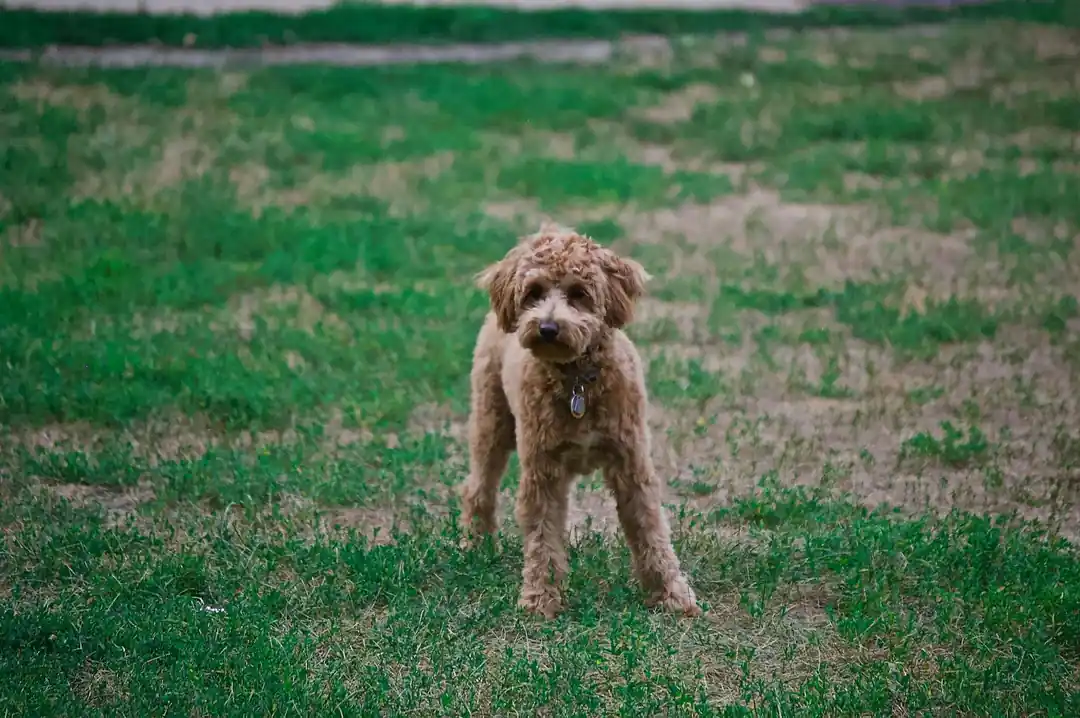
PETSSniffle-Free Snuggles: America's Most-Loved Hypoallergenic Dogs
Dreaming of a furry friend but dreading the sneezes? You're not alone. Let's dive into the wonderful world of popular hypoallergenic dog breeds in the US.

Popular Posts

Rethinking Non-Profit Promotion: Creative Strategies That Actually Drive Event Impact

Beyond Stark White: The Best Interior Paint Colors to Light Up Your New Space

How to Actually Master a New Language on Your Own (No Magic Gene Required)
