Thinking of a Mexican road trip? It's an amazing way to explore, but the rules are different. Here's what you absolutely need to know before you book.
There’s a certain kind of magic that only a road trip can offer, isn't there? The freedom to chase a sunset down a winding coastal highway, to stumble upon a village not mentioned in any guidebook, or to pull over for the most incredible roadside tacos you’ll ever taste. Mexico, with its kaleidoscope of cultures, breathtaking landscapes, and hidden ruins, is a country that practically begs to be explored by car. The idea of it is pure romance and adventure.
But before you start curating the perfect playlist and dreaming of the open road, we need to have a little chat. Honestly, I used to think renting a car abroad was a simple, universal process. You show your license, grab the keys, and go. My first time renting in Mexico, however, was a bit of an education. It’s not complicated, but it has its own rhythm and its own set of non-negotiable rules. Understanding them is the difference between a trip filled with spontaneous joy and one bogged down by stress and unexpected expenses.
So, let's get into the real-deal details. Think of this as advice from a friend who has been there, made a few mistakes, and wants to make sure your journey is as smooth and incredible as you're imagining it.
The Big One: Decoding Mexican Car Rental Insurance
If you only remember one thing from this article, let it be this section on insurance. This is, without a doubt, the most critical and often most confusing part of renting a car in Mexico. Here’s the headline: the car insurance you have in the US, or even the coverage offered by your premium credit card, is likely not enough. Mexico operates under a legal system where, in the event of an accident, you are considered guilty until proven innocent, and having the right insurance is your first and most important line of defense.
The absolute, legally-mandated, no-way-around-it insurance you must have is Third Party Liability (TPL). In Spanish, you'll see it as Responsabilidad Civil or sometimes as Supplemental Liability Insurance (SLI). This covers any damage or injury you may cause to others—other cars, property, or people. It is not optional. Arriving at the rental counter assuming your Chase Sapphire or Amex Platinum coverage will handle everything is a classic rookie mistake. While those cards often provide excellent Collision Damage Waiver (CDW) coverage (which covers damage to your rental car), they do not provide the third-party liability required by Mexican law.
So, what should you do? The most straightforward approach is to purchase a rental package that explicitly includes Third Party Liability. Many of the major online travel agencies and rental company websites have all-inclusive rates that bundle this in. It might make the initial price look higher than some of the tempting "from $5 a day!" ads, but those budget deals almost never include TPL, which you'll then be forced to buy at the counter at a much higher daily rate. When you pick up the car, the agent will likely still try to sell you additional coverage like CDW and theft protection. If your credit card covers CDW, you can politely decline it, but be prepared to have a significant hold (often thousands of dollars) placed on your card as a deposit. For total peace of mind, buying the full-zero-liability package from the rental company is the simplest, albeit most expensive, option.
Getting Your Paperwork in Order
Once you’ve wrapped your head around the insurance, the rest is much simpler. But simple doesn't mean unimportant. Showing up at the counter without the right documents is a surefire way to delay your adventure. It’s a straightforward checklist, but one you’ll want to double-check before you leave home.
First, you need a valid, current driver's license. Your standard US-issued license is perfectly fine; you generally do not need an International Driving Permit (IDP) as long as your license is in English or Spanish. That said, having an IDP is never a bad idea, as it's a universally recognized document. Second, you absolutely must have your passport. The rental agency needs to see it and will often make a copy. Don't pack it in your checked luggage; keep it with you.
The final piece of the puzzle is a major credit card in the name of the primary driver. This is non-negotiable. The rental company will use this to place a security deposit hold. It's crucial to understand that they will not accept a debit card for this hold. The amount can vary wildly, from a few hundred dollars to several thousand, depending on the level of insurance you've selected. A lower insurance package means a higher deposit. Before you travel, make sure your card has a high enough credit limit to accommodate this hold and call your credit card company to inform them of your travel dates so they don't flag the transaction as fraudulent.
Navigating the Roads Like a Pro
You’ve got the keys, the insurance is sorted, and the open road is calling. Driving in Mexico is a fantastic experience, but it comes with its own unique set of unwritten rules and quirks. Being aware of them will make your drive safer and far more enjoyable. My first time venturing off the main tourist highways was an adventure in itself, and I learned a few things very quickly.
The most famous (or infamous) feature of Mexican roads is the tope—a speed bump. But these aren't the gentle, rolling humps you might be used to. Topes can be aggressive, unmarked, and appear out of nowhere, especially when entering or leaving small towns. Hitting one at speed is a guaranteed way to damage your rental's undercarriage, something the rental companies are very good at finding upon your return. Keep your eyes peeled and slow down whenever you see signs of a settlement. Another key tip is to stick to the cuota (toll) roads for long distances. They are impeccably maintained, much faster, and significantly safer than the libre (free) roads, which can be poorly maintained and wind through countless towns.
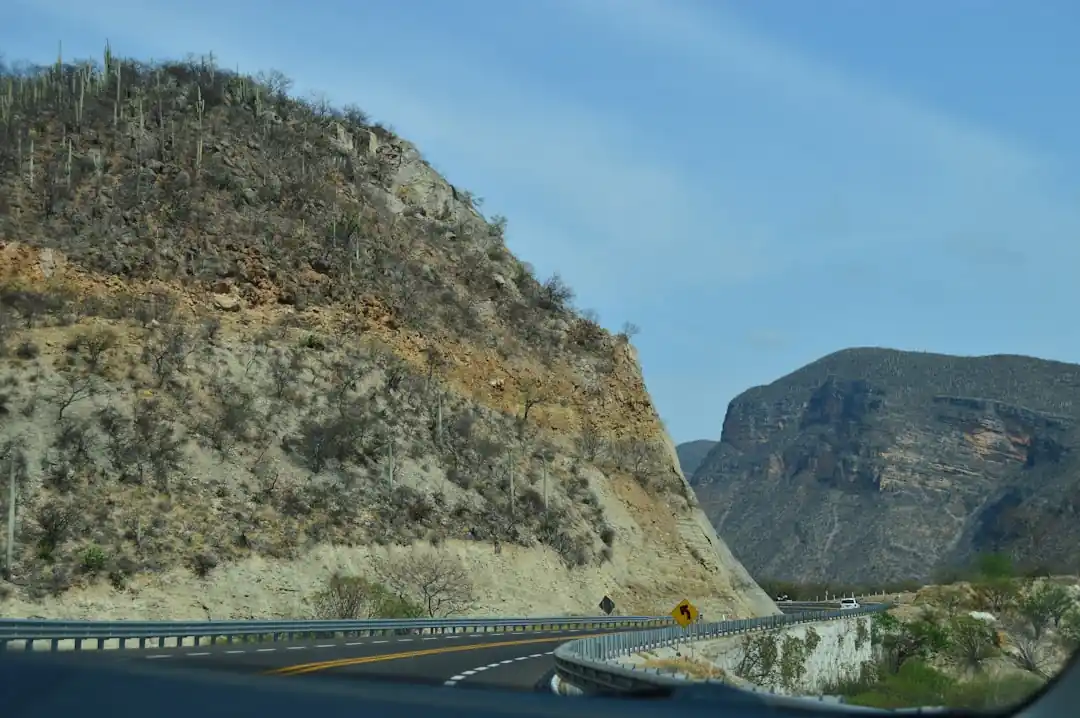
When it comes to gas stations, always make sure the pump is zeroed out before they start filling your tank. It's also customary to tip the attendant a few pesos for their service. Finally, you will likely encounter military or police checkpoints. Don't be alarmed; this is a normal part of driving in Mexico. Be polite, slow down, make eye contact, and have your documents ready. More often than not, they will simply wave you through. Driving with a calm, confident, and respectful attitude will get you far.
Embracing the journey, quirks and all, is what makes a road trip memorable. By doing your homework on insurance, having your documents in order, and staying aware on the road, you're setting yourself up for an incredible adventure. Mexico has so much to offer beyond the resort walls, and having your own set of wheels is the key to unlocking it. Here's to the stories you'll gather and the horizons you'll chase.

That Twice-a-Year Question: How Often Should You Really Be Seeing Your Dentist?
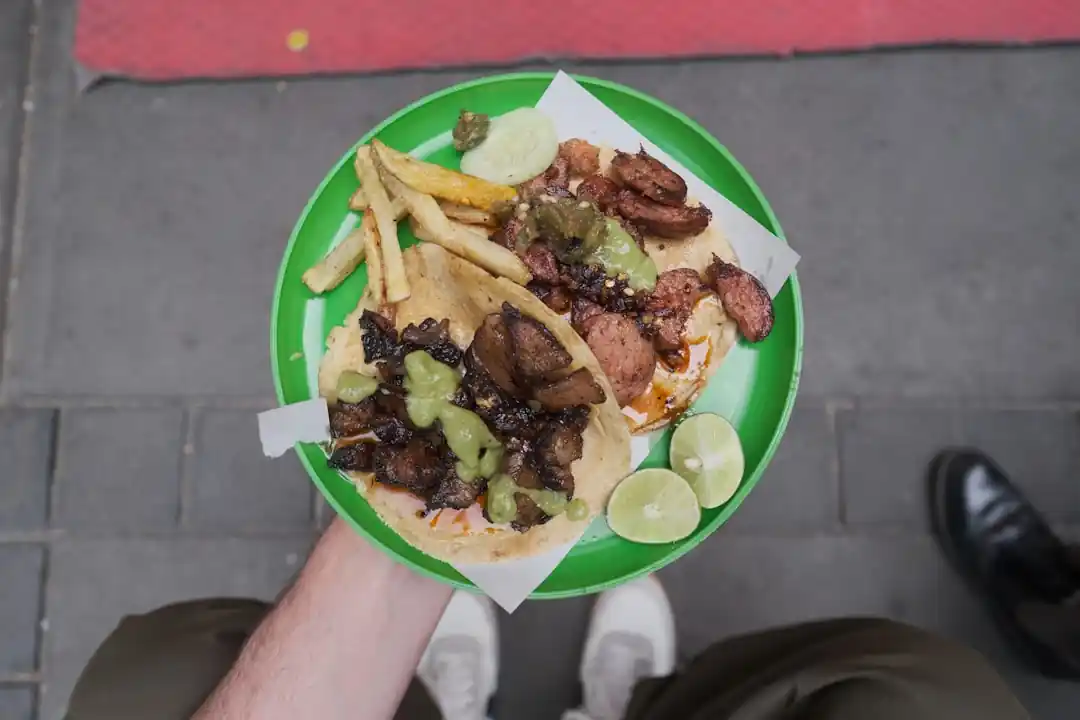
Your Ultimate Guide to Mexico City's Must-Try Street Foods
Related Posts
 TRANSPORT
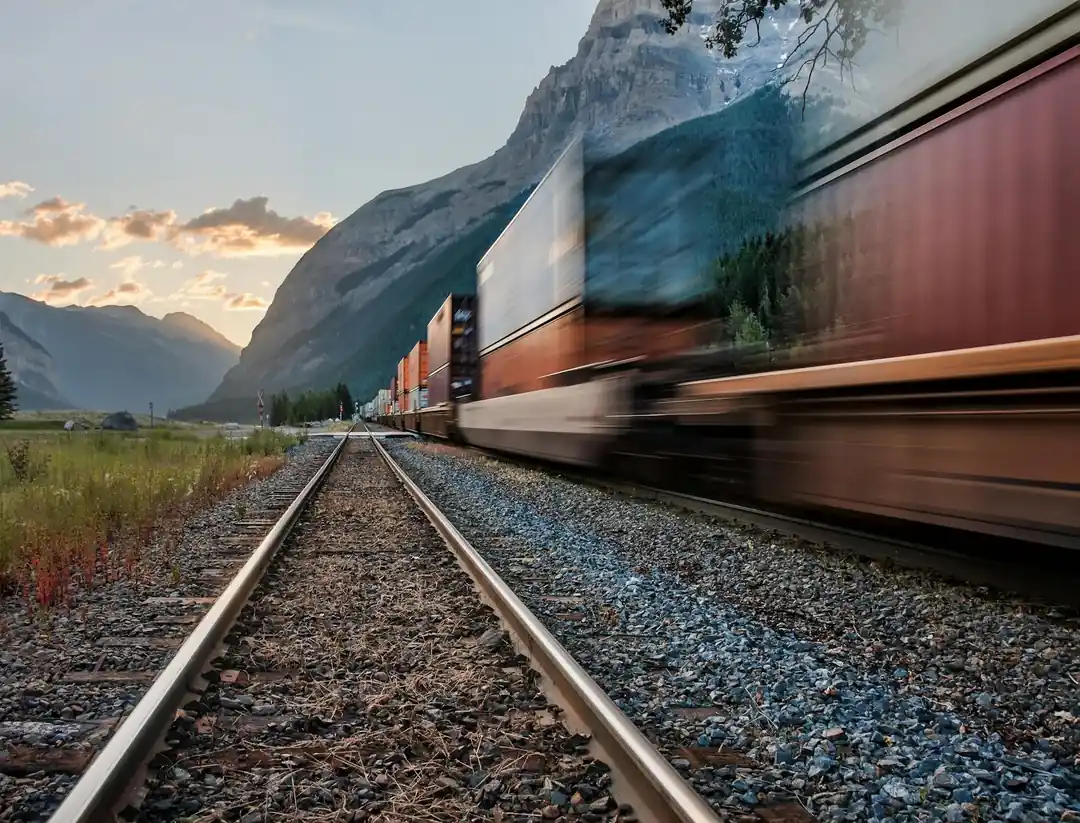
Beyond the Highway: Finding Canada's Soul on a Western Rail Adventure
Forget road trips. I'm talking about rediscovering the romance of travel on Via Rail's most scenic routes through the heart of the Canadian West. It’s an experience that changes you.
 TRAVEL TIPS
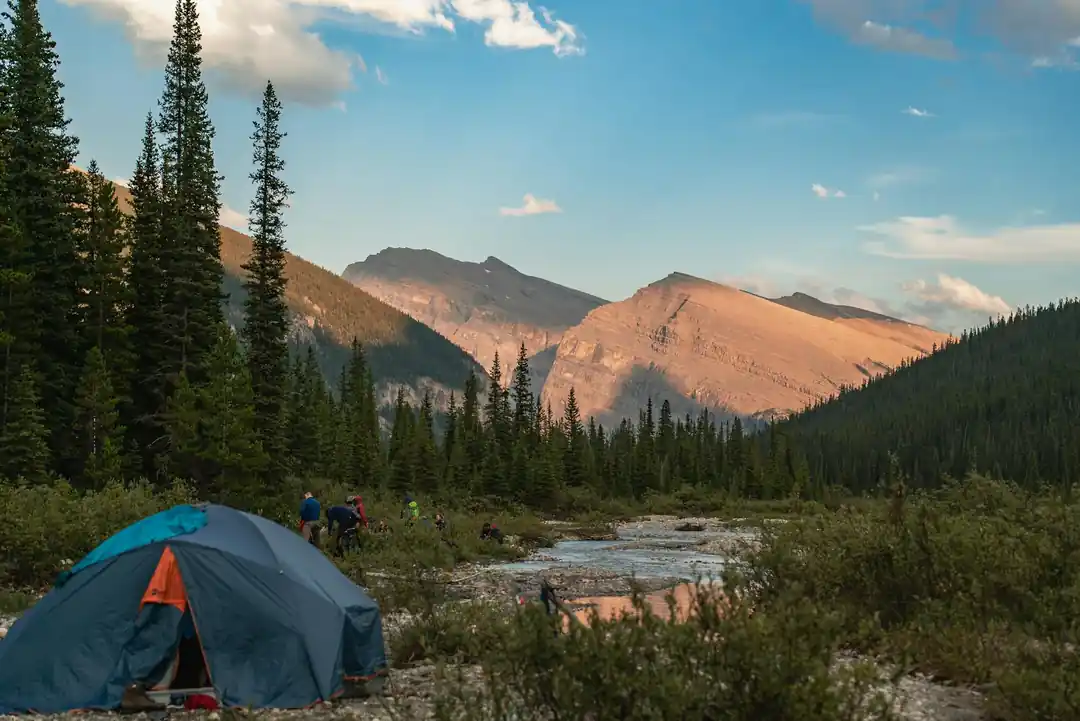
The Unwritten Rules of the North: What to Know Before Camping in Canada
Heading to the Great White North for a camping trip? It's an amazing idea. But from campfire etiquette to wildlife wisdom, here’s what you need to know before you go.

Popular Posts

Rethinking Non-Profit Promotion: Creative Strategies That Actually Drive Event Impact

Beyond Stark White: The Best Interior Paint Colors to Light Up Your New Space

How to Actually Master a New Language on Your Own (No Magic Gene Required)
