The Honest Winter Energy Guide: How I Cut Heating Costs Without Freezing
Practical, research-backed ways to keep your home warm and your utility bills reasonable this winter, from simple DIY sealing to smart habits.
I used to think winter home energy efficiency required either freezing under three layers of wool sweaters or dropping thousands of dollars on high-tech retrofits overnight. A few years ago, after opening a January heating bill that made my stomach drop, I realized my approach was entirely wrong. Drafts were whispering through the window frames, the water heater was scalding hot for no practical reason, and the furnace was straining against a dusty filter I had ignored since autumn.
The truth is, keeping your home comfortable during freezing weather is rarely about massive, dramatic overhauls. It is about understanding how heat moves, where it escapes, and how simple adjustments to your daily routine can stem the tide. When you address the small inefficiencies scattered throughout your living space, you create a home that stays warm naturally without demanding an endless stream of electricity or gas.
Here is a realistic, research-backed look at how to insulate your budget and your living space from the winter chill without sacrificing an ounce of cozy comfort.
Rethinking Your Heat: HVAC Filters, Thermostats, and Water Tanks
Winter Heating Optimization Checklist
- Check HVAC Air Filters — Inspect every 2 months and switch off thermostat before swapping.
- Program Thermostat Settings — Lower temperatures when sleeping or away, mounted on an interior wall.
- Lower Water Heater Temp — Set to 120°F to save 6-10% on energy while staying safe from bacteria.
- Clear Vents & Registers — Ensure all vents are open and completely unobstructed by furniture.
Let us start in the furnace room—that quiet corner of the basement or utility closet we tend to forget until something goes wrong. For years, I ignored my HVAC air filter until the system began sounding like a jet engine trying to pull air through a brick wall. When dust and pet dander clog that filter, your furnace has to work significantly harder just to circulate basic airflow. Checking your filter every two months—holding it up to a light source to see if air can actually pass through—is one of the easiest ways to keep the system running efficiently. When swapping it out, remember to switch the thermostat to "off" so loose debris does not get sucked down the intake, and match the original MERV rating listed on the frame.
Thermostat management is another area where small mindset shifts pay out real dividends. Programming your system to drop a few degrees while you are sleeping or away at work is not about living in austerity; it is about letting the house rest when active heating is unnecessary. Installing a basic programmable thermostat handles this chore automatically. Just make sure the unit is mounted on an interior wall away from direct sunlight, drafty hallways, or kitchen appliances, as local temperature anomalies can trick the sensor into running the furnace unnecessarily.
Then there is the domestic water heater, which quietly ranks as the second-highest energy drain in most American homes. I used to assume factory default settings were optimized for daily life, but many water heaters ship set to temperatures far higher than a household actually needs. Dialing your water heater down to 120 degrees Fahrenheit can trim anywhere from 6% to 10% off your energy bill. It remains warm enough for comfortable showers and dishwashing while staying safely above the threshold where dangerous bacteria could grow inside the tank.
Finally, take a quick walk through your living room and bedrooms to inspect the heating vents and registers. Pushing a heavy sofa against a floor register or laying a thick area rug over a baseboard unit chokes off circulation, forcing the heating system to run longer cycles to warm the space. Ensuring every vent is open, clean, and completely unobstructed costs zero dollars, yet it immediately lightens the workload on your furnace.
Sealing the Envelope: Keeping Drafts Out and Warmth In
2% - 12%
Heating cost savings by opening south/west curtains on bright days
10%
Heat loss reduction through window glass by closing drapes at night
Cold air is remarkably persistent. It does not just come through an open door; it seeps through hairline gaps around window sashes, external door frames, and spots where utility pipes penetrate the exterior siding. I used to think sealing these leaks required hiring specialized contractors, but a couple of tubes of exterior caulk and fresh weather stripping every two years turn draft-proofing into an easy weekend project. Walking around the exterior foundation with a can of expanding spray foam to plug gaps between cement, brick, and ground pipes creates an immediate barrier against invasive chills.
The windows themselves offer a brilliant opportunity for passive heating if you learn to work with the movement of the sun. On bright winter days, opening curtains and blinds on south- and west-facing windows allows free solar energy to radiate deep into your rooms, lowering heating costs by 2% to 12%. The moment dusk falls, closing those heavy drapes creates a secondary insulating barrier, reducing heat loss through cold window glass by up to 10%.
Fireplaces present a classic winter paradox that caught me off guard early on. There is nothing quite like sitting beside a crackling fire on a snowy evening, but an open damper on a cold hearth acts like an open window, pulling warm indoor air up the chimney stack and drawing freezing air inside through wall cracks. Keeping the damper tightly closed whenever a fire is not burning is essential. If your fireplace is purely decorative, installing a dedicated inflatable chimney stopper or sealing the hearth perimeter with fire-rated caulk permanently shuts off a massive thermal leak.
If you suspect your home is losing warm air but cannot pinpoint the source, consider scheduling a professional home energy assessment featuring a blower door test. By depressurizing the house, this diagnostic tool highlights hidden air pathways around electrical outlets, recessed lighting, and attic hatches that you might never spot on your own. Pairing those findings with interior storm window panels or Energy Star rated replacement glass yields a draft-free living environment that feels noticeably warmer at the exact same thermostat setting.
Everyday Appliances and the Hidden Energy Drain
Hot water is necessary for a clean laundry load.
90% of washing machine energy goes to heating water; modern detergents clean perfectly in cold water.
Pre-rinsing dishes helps the dishwasher run better.
Turbidity sensors detect pre-rinsed dishes and run shorter, less thorough cycles while wasting water.
Devices don't consume electricity when switched off.
Vampire draw on standby accounts for around 4% of total household energy usage.
Beyond dedicated space heating, everyday domestic routines contribute significantly to your monthly energy consumption. Laundry is a prime example. Modern cleaning research shows that roughly 90% of the energy consumed by a washing machine goes directly toward heating the water. Modern laundry detergents are engineered to break down soils in cool temperatures, meaning cold or lukewarm cycles work perfectly for standard loads while dramatically cutting appliance power usage. Don't forget to clear the dryer lint trap before every run, as restricted airflow extends drying times and wastes electricity.
Kitchen habits carry similar hidden savings. For years, I meticulously pre-rinsed every plate before loading the dishwasher, thinking I was helping the machine. However, dishwashers manufactured after 2011 use internal turbidity sensors to gauge how dirty the wash water is; pre-rinsing tricks the sensors into running a shorter, less thorough cycle while wasting gallons of heated water. Running full loads, skipping the manual pre-rinse, and letting dishes air-dry rather than using the heated dry setting will trim your kitchen's energy footprint noticeably over the season.
Then there is the issue of "vampire draw"—the constant, quiet power consumed by electronics sitting in standby mode. Televisions, audio receivers, gaming consoles, and computer docks draw small amounts of electricity around the clock, accounting for about 4% of total household energy use. Grouping these devices onto smart power strips that automatically cut power when the primary device is switched off stops that phantom draw without requiring you to pull plugs out of wall outlets every night.
Your refrigerator and freezer also deserve a quick seasonal audit. Setting the main compartment to 37 degrees Fahrenheit and the freezer to 3 degrees keeps food perfectly preserved without overworking the compressor. If your fridge includes an automatic ice maker that gets little use during the colder months, turning off the ice-making function can reduce the unit's overall energy consumption by 15% to 20%.
Forward-Looking Upgrades: Heat Pumps, LEDs, and Green Tech
When the time comes to update major household equipment, choosing modern, high-efficiency options permanently reshapes your utility costs. Replacing aging incandescent lightbulbs with Energy Star certified LEDs is one of the fastest, most effective upgrades available. LED bulbs use up to 90% less electricity, last up to 25 times longer, and emit almost no wasted heat, making them an effortless win for winter energy efficiency.
For space heating, modern heat pump technology has completely changed how cold climates handle winter weather. Contrary to older myths, modern cold-climate air-source mini-splits and ground-source heat pumps function efficiently even when outdoor temperatures drop well below freezing. Paired with an existing gas or propane furnace in a dual-fuel setup, a variable-speed heat pump extracts ambient heat from outside air and moves it indoors at a fraction of the cost of traditional resistance heating.
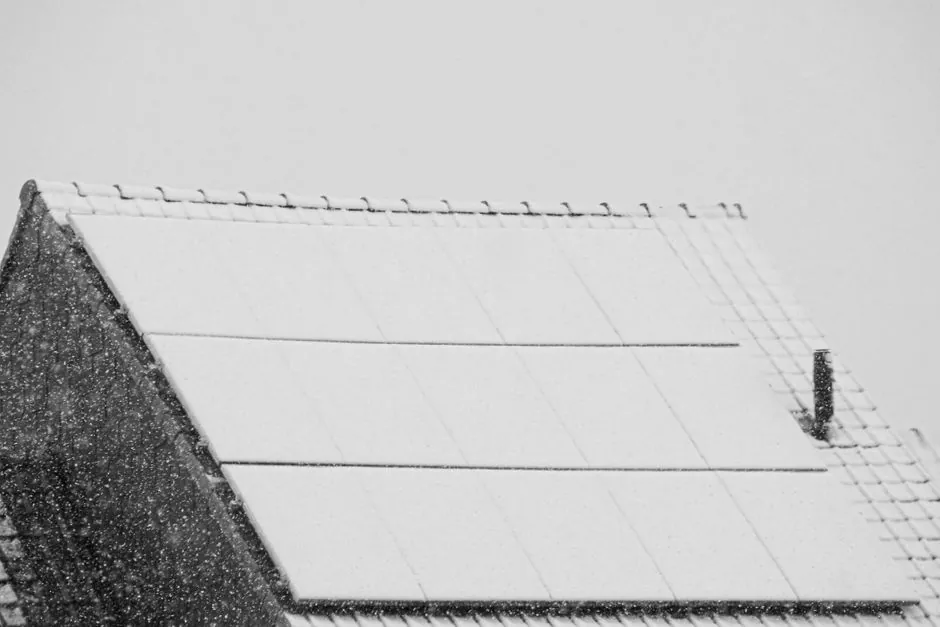
Adopting renewable systems or high-efficiency tech requires a balanced understanding of how seasonal weather interacts with your setup. Rooftop solar arrays, for instance, naturally generate less power during short winter days or when covered by temporary snowfall. However, when paired with an insulated building envelope and efficient heat management, these integrated setups work together to keep operational costs low even during dark winter months.
It is also worth checking with your local utility co-op or municipal energy board for seasonal rebates and incentives. Many programs offer generous offsets for installing smart thermostats, upgrading to Energy Star rated appliances, or completing professional weatherization work. Taking advantage of these programs makes upgrading your home's thermal resilience far more accessible than it used to be.
Transforming your living space into a warm, energy-efficient sanctuary does not happen overnight, nor does it require a complete lifestyle shift. It happens gradually through small, mindful choices—sealing a frame, lowering a setting, and letting the sunshine in on a crisp morning. Over time, those modest fixes add up to a home that feels quieter, cozy, and thoroughly aligned with the changing seasons outside.

The Beginner's Guide to Reading the Night Sky: How to Spot Your First Constellations
Is Your Kitchen Safe? The Best Way to Check for Food Recalls at Home

Related Posts
 HOME IMPROVEMENT
The Unspoken First-Year Homeowner Playbook: How I Learned to Stop Fearing Maintenance
Beyond the moving boxes and excitement lies the real work of keeping your home safe and efficient. Here is a research-backed, practical guide to surviving your first year.
 HOME IMPROVEMENT
Your First Apartment: A No-Stress Guide to Finding a Place You'll Love
Embarking on your first apartment hunt is a major life milestone. It's exciting, sure, but it can also be overwhelming. Let's walk through it together, step-by-step.