Dreaming of Egypt? A Nile cruise is the ultimate way to experience its ancient wonders. Let's break down how to pick the right boat, itinerary, and all the little details for your trip of a lifetime.
There are some travel dreams that live in the back of your mind for years, patiently waiting. For me, a cruise down the Nile River was one of them. It felt less like a vacation and more like a pilgrimage, a chance to step directly into the pages of my history books. The idea of waking up on the water and watching millennia-old temples drift by seemed like the purest way to experience the magic of Egypt. But when I finally started planning, I realized "Nile cruise" is a broad term for a wild variety of experiences.
Honestly, the sheer number of options can be paralyzing. You have different boats, different itineraries, and a huge range of prices. How do you know which one is right for you? It’s not just about getting from Luxor to Aswan; it’s about choosing the vessel that will become your floating home, your vantage point for one of the most epic journeys on earth. I went down the rabbit hole of research, and I want to share what I learned to help you navigate these choices and find the cruise that will make your own Egyptian dream a reality.
This isn't just about booking a trip. It's about curating an experience. It’s about deciding on the rhythm of your journey—do you want the gentle pace of a sailboat or the steady hum of a larger ship? It’s about understanding what’s included, what’s not, and how to make the most of every single moment. So let's break it down, piece by piece.
It’s Not Just a Boat, It’s a Time Machine: Choosing Your Vessel
The first, and arguably most important, decision is what kind of boat you'll be on. This choice fundamentally shapes your entire experience, from the atmosphere on board to the places you can visit. The main players are the large, modern river cruisers and the smaller, traditional Dahabiyas. I used to think bigger was always better, but the Nile taught me that luxury comes in many forms.
The modern river cruisers are essentially floating hotels. These multi-deck vessels are what most people picture when they think of a Nile cruise, often featuring 50-70 cabins, a sundeck with a pool, multiple bars, and nightly entertainment. They run on efficient engines and follow a set schedule, ensuring you see all the main highlights between Luxor and Aswan. If you enjoy a social atmosphere, appreciate having a variety of amenities at your fingertips, and are looking for a more budget-friendly all-inclusive option, this is a fantastic choice. It’s comfortable, convenient, and you’ll have an Egyptologist on board to guide you through the wonders you encounter.
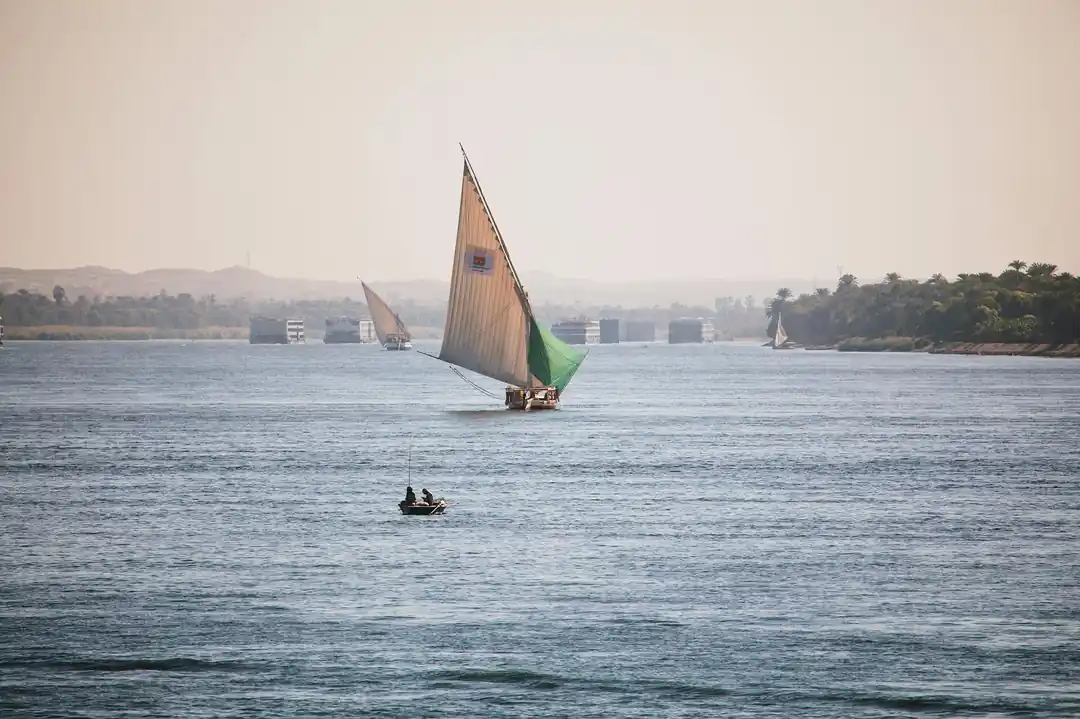
On the other end of the spectrum is the Dahabiya. These are beautiful, traditional wooden sailboats that offer a far more intimate and romantic journey. With only 6 to 12 cabins, the experience is incredibly personal and peaceful. Dahabiyas are powered by the wind (though they have a tugboat or motor for assistance), which means the journey is slower and more serene. This allows them to moor at smaller, more exclusive sites that the big ships can't access, like quiet river islands or lesser-known temples. It’s a premium experience, and the price reflects that, but for a honeymoon, a special occasion, or for anyone seeking tranquility and a deeper connection to the river, it is absolutely worth it.
Charting Your Course: What to Expect on the Journey
Most Nile cruises travel between Luxor and Aswan, and you can do it in either direction. The most popular itineraries are typically 4 nights sailing from Luxor to Aswan or 3 nights from Aswan to Luxor. I’d personally recommend the longer 4-night journey heading south. It gives you just a little more breathing room to soak it all in, and the days feel slightly less rushed. The core sights are the same, but that extra day makes a world of difference.
Your days will be a blend of incredible sightseeing and blissful relaxation. Mornings often start early to visit the temples before the peak sun and crowds. In Luxor, you’ll explore the sprawling Karnak and Luxor Temples on the East Bank, and then cross over to the West Bank to descend into the tombs of the Valley of the Kings and marvel at the mortuary temple of Queen Hatshepsut. As you sail, you'll stop at the beautifully preserved Temple of Horus in Edfu and the unique double-temple of Kom Ombo, dedicated to both the crocodile god Sobek and the falcon god Horus.
The journey culminates in Aswan, a city with a distinctly more relaxed, Nubian vibe. Here, you’ll visit the stunning Philae Temple, relocated to an island to save it from the rising waters of the Aswan High Dam. You’ll also see the Unfinished Obelisk, a massive testament to the ambition of ancient stonemasons. The sailing itself is a highlight. Finding a comfortable chair on the sundeck and simply watching the timeless scenes of rural life unfold along the riverbanks—farmers tending their fields, children waving, and feluccas sailing by—is an experience in itself.
The Little Details That Make a Big Difference
Once you’ve settled on a boat and an itinerary, a few final details can elevate your trip from great to unforgettable. First, timing is everything. The best time to cruise the Nile is during the cooler months, from October to April. The weather is pleasant and perfect for exploring. I went in late October and found it to be the sweet spot—warm enough for swimming but comfortable for walking through the temples. Be aware that December and January are peak season, so expect higher prices and more people.
Next, understand what "all-inclusive" really means. For most cruises, this covers your accommodation, all meals (usually buffet-style), and guided excursions to the main temples with entrance fees included. What’s almost never included are your drinks. Beverages, especially alcohol, can be quite expensive on board. Tips are also a crucial part of the culture and are expected for the boat crew and your guide at the end of the trip; it’s wise to budget for this separately.
Finally, don’t underestimate the value of your guide. A knowledgeable, passionate Egyptologist can transform your trip from a series of impressive sights into a compelling story. They bring the history, mythology, and culture to life in a way that a guidebook never could. If you have the option, a private guide can offer a more flexible and in-depth experience. And my last piece of advice: pack comfortable shoes. You’ll be doing a lot of walking on uneven ground, and your feet will thank you.
A journey on the Nile is more than a vacation; it’s a passage through the heart of civilization. It’s a slow, meditative experience that connects you to a story that has been unfolding for thousands of years. Whether you’re watching the sunset from the deck of a grand ship or the quiet intimacy of a sailboat, the river’s magic is undeniable. It’s a trip that stays with you, a gentle current of memories that you’ll return to long after you’re back home.

Don't Just See Cairo, Ride It: A Tourist's Guide to Public Transport
Is It Safe For a Woman to Travel Solo in Egypt? The Honest Answer.

Related Posts
 TRANSPORT
Beyond the Highway: Finding Canada's Soul on a Western Rail Adventure
Forget road trips. I'm talking about rediscovering the romance of travel on Via Rail's most scenic routes through the heart of the Canadian West. It’s an experience that changes you.
 TRAVEL TIPS
The Unwritten Rules of the North: What to Know Before Camping in Canada
Heading to the Great White North for a camping trip? It's an amazing idea. But from campfire etiquette to wildlife wisdom, here’s what you need to know before you go.

Popular Posts

Rethinking Non-Profit Promotion: Creative Strategies That Actually Drive Event Impact

Beyond Stark White: The Best Interior Paint Colors to Light Up Your New Space

How to Actually Master a New Language on Your Own (No Magic Gene Required)
