Ditching the tourist bus and diving into Manila's chaotic, charming, and utterly unforgettable local transportation scene is an adventure in itself. Here's how to do it.
Stepping out into the streets of Manila for the first time is… a lot. It’s a full-on sensory experience—a wave of humid air, a chorus of car horns and street vendors, and a kaleidoscope of movement that seems to follow its own secret rhythm. For a traveler used to the quiet order of a subway map, it can feel wonderfully, thrillingly chaotic. My first instinct was to just call a Grab (Southeast Asia's Uber) for everything, and honestly, sometimes that’s the right call. But I quickly realized that to really feel Manila, you have to ride with it.
Navigating this sprawling metropolis isn't just about getting from your hotel to the historic walls of Intramuros or the bustling markets of Quiapo. It's about the journey itself. It’s about squeezing onto a bench in a rolling piece of folk art, feeling the city's pulse from an elevated train, and bartering with a friendly tricycle driver. I read a few guides before my trip, but nothing quite prepares you for the beautiful, organized chaos of it all. It’s an experience that pushes you out of your comfort zone in the best way possible, and trust me, you’ll come home with better stories than if you’d just stayed in a tourist van.
The Jeepney: Riding a National Treasure
You can't talk about Manila without talking about the Jeepney. Seriously, they are the undisputed "King of the Road." These are no ordinary buses. Born from the long-bodied US military jeeps left behind after World War II, they have been stretched, decorated, and transformed into the city's most iconic form of public transport. Each one is a unique masterpiece, blaring music and covered in a riot of colors, chrome ornaments, religious art, and sometimes even the names of the driver’s children. Riding one feels less like a commute and more like participating in a moving festival.
So, how does it work? It’s surprisingly organic. There are no formal bus stops. You just stand on the side of the road and flag one down like a taxi. The destination is painted on the side or displayed on a sign in the front window. Once you’re on, you find a spot on one of the two benches that face each other. To pay, you pass your coins or small bills to the person next to you, saying "Bayad po" (payment, please), and it gets passed along a chain of passengers until it reaches the driver. It’s a system built on communal trust that’s amazing to watch.
When you want to get off, you simply knock on the ceiling or yell "Para po!" (stop, please), and the driver will pull over. Fares are incredibly cheap, usually starting around 15 pesos (about 30 cents). A word of advice: have small change ready, as drivers often can't break large bills. And while it’s generally safe, always be mindful of your belongings, especially when it’s crowded. The Jeepney is more than just transport; it’s a cultural immersion on wheels.

The MRT and LRT: Rising Above the Traffic
When the infamous Manila traffic becomes too much to bear (and it will), the city’s elevated train system is a lifesaver. The MRT (Metro Rail Transit) and LRT (Light Rail Transit) lines crisscross the metropolis, offering a faster, air-conditioned alternative to the gridlock below. It’s not the most extensive network in the world, but it connects key areas you’ll want to visit, like the business hubs of Makati and Ortigas, and major shopping centers.
There are three main lines that are useful for visitors. The system can seem a bit dated if you're used to the sleek subways of Tokyo or Singapore, but it’s efficient and gets the job done. You can buy single-journey tickets, but a much better option is to get a "Beep card." It’s a reloadable stored-value card that you can use for all train lines and even some buses and convenience stores. It saves you from having to line up for a ticket every single time you ride, which is a huge plus during peak hours.
Just like any major city, the trains get incredibly packed during rush hour (usually 7-9 AM and 5-8 PM). If you’re claustrophobic, you might want to avoid traveling during these times. But if you have no choice, just be prepared to get cozy with your fellow commuters. Keep your bag in front of you and be aware of your pockets. It’s a small price to pay for zipping over miles of standstill traffic in a matter of minutes.
Tricycles and Pedicabs: For the Final Stretch
For those shorter distances—like getting from the main road to a hidden restaurant or navigating the narrow, centuries-old streets of a historic district—the tricycle is your go-to. These are small motorcycles with a covered sidecar attached, and they are absolutely everywhere. In some quieter areas, you’ll also find pedicabs, which are the same concept but powered by a bicycle. They are perfect for when it’s too hot to walk but too close to justify a car.
There’s one golden rule with tricycles: agree on the fare before you get in. There are no meters. The driver will quote you a price, and you have the right to negotiate if it feels too high. It helps to ask a local beforehand what a typical fare for that distance should be. A short ride within a neighborhood should be very cheap, often less than a dollar.
Riding in a tricycle is a uniquely Filipino experience. You’re right there in the thick of it, feeling every bump in the road and smelling the street food as you pass by. They can feel a bit rickety, and they’re definitely not built for speed or long distances, but they are incredibly charming. It’s the perfect way to travel the last kilometer of your journey and see the city from a completely different, more intimate perspective.
I found myself taking them all the time in the smaller neighborhoods. It felt like I was part of the local fabric, not just a tourist passing through. Just hang on, enjoy the breeze, and be ready for a memorable, if slightly bumpy, ride.

A First-Timer's Guide to the Best of Hong Kong
Your Ultimate Guide to Island Hopping Transportation in the Philippines
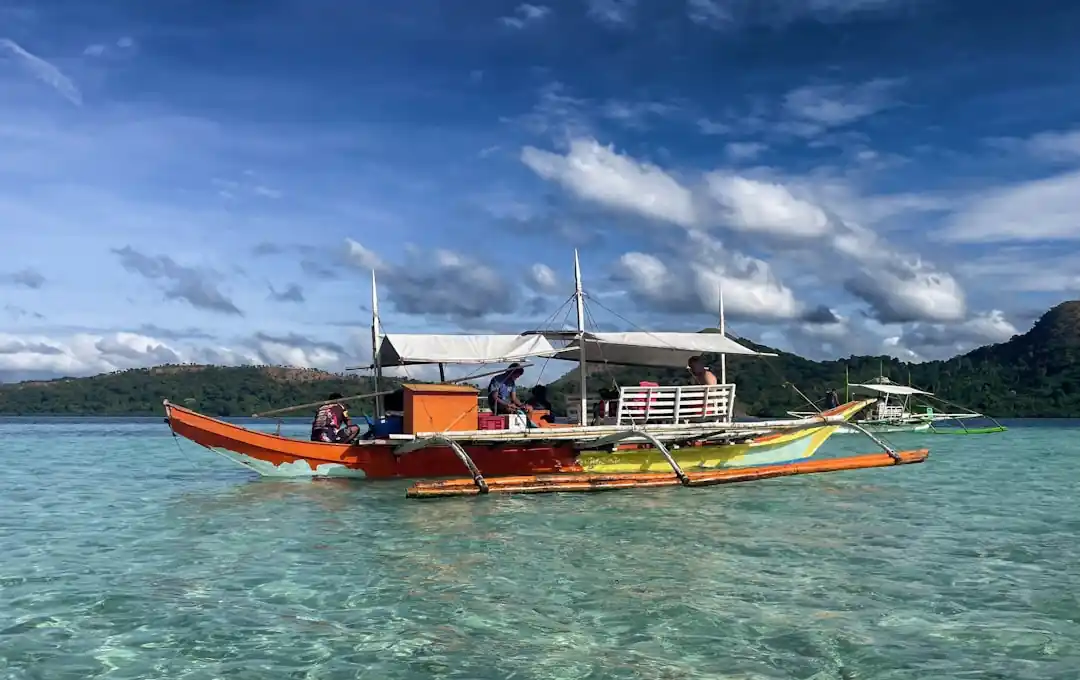
Related Posts
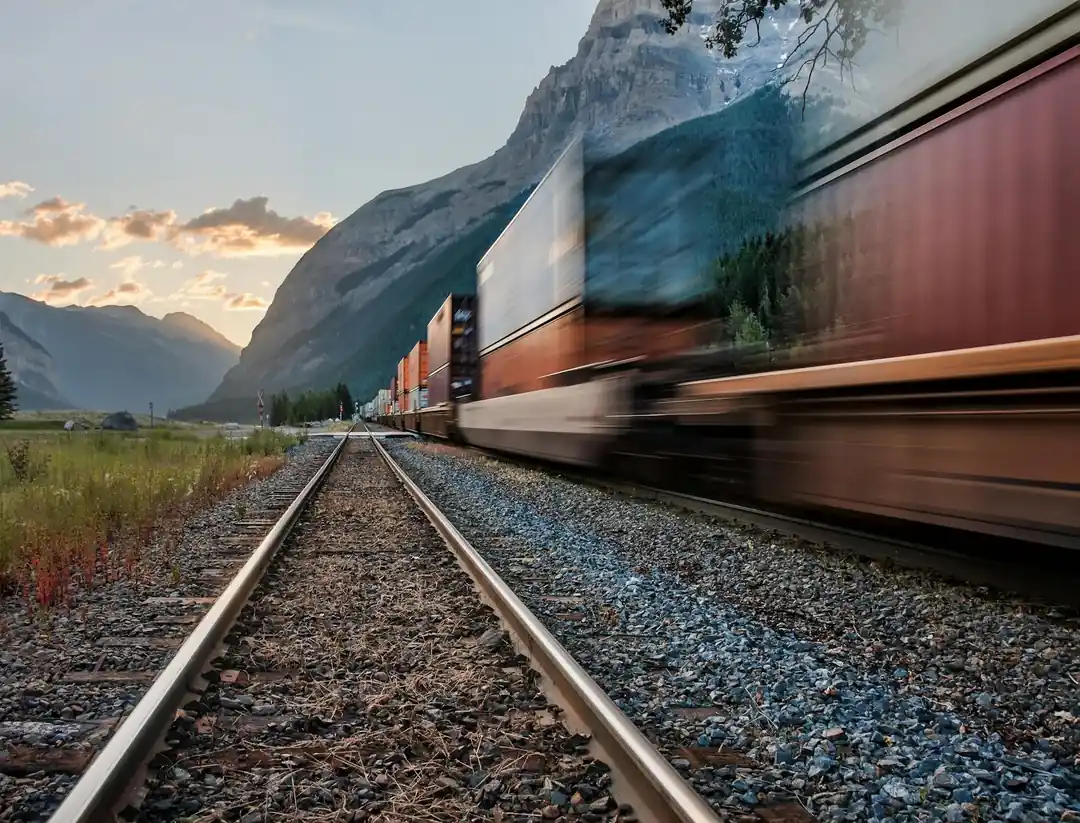 TRANSPORT
Beyond the Highway: Finding Canada's Soul on a Western Rail Adventure
Forget road trips. I'm talking about rediscovering the romance of travel on Via Rail's most scenic routes through the heart of the Canadian West. It’s an experience that changes you.
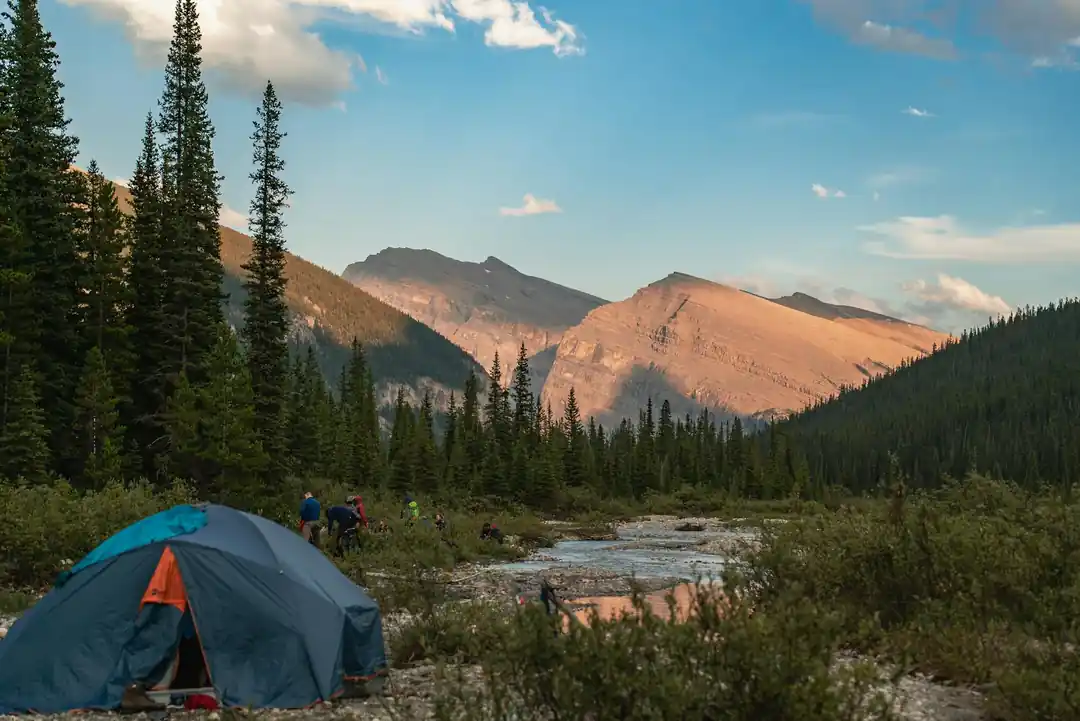 TRAVEL TIPS
The Unwritten Rules of the North: What to Know Before Camping in Canada
Heading to the Great White North for a camping trip? It's an amazing idea. But from campfire etiquette to wildlife wisdom, here’s what you need to know before you go.

Popular Posts

Rethinking Non-Profit Promotion: Creative Strategies That Actually Drive Event Impact

Beyond Stark White: The Best Interior Paint Colors to Light Up Your New Space

How to Actually Master a New Language on Your Own (No Magic Gene Required)
