Ever wonder how soldiers in the most isolated corners of the world get their mail, food, and equipment? It’s not magic, but it’s close. It's the incredible world of military air transport.
Have you ever truly felt off the grid? Maybe on a camping trip deep in the mountains or on a remote beach. Now, imagine living and working there for months on end, relying on everything you need being flown in from thousands of miles away. That’s the reality for thousands of US military personnel stationed at remote bases and forward operating bases (FOBs) around the globe. It’s a logistical puzzle that has always fascinated me, blending raw power with pinpoint precision.
We see the dramatic images of fighter jets and helicopters in movies, but the unsung heroes of military operations are often the massive cargo planes and their crews. These are the workhorses that create a vital air bridge to the world’s most inaccessible places. They deliver not just ammunition and vehicles, but also the mail from home, fresh food, and medical supplies that make life in harsh environments sustainable. It’s a process that is both incredibly routine and extraordinarily difficult.
I recently fell down a rabbit hole learning about this, and honestly, it’s given me a whole new level of appreciation for the scale of these operations. It’s one thing to read about it, but it's another to really understand the moving parts.
The Titans of the Tarmac
When you need to haul a tank or a few dozen soldiers to a place with no runway, you can't just charter a commercial flight. You need specialized aircraft built for the toughest jobs on Earth. The two names that come up again and again are the C-130 Hercules and the C-17 Globemaster III. They are, in many ways, the backbone of the U.S. Air Force's airlift capability.
The C-130 Hercules is a legend. It’s been flying for over 60 years and has been adapted for dozens of roles. Its real magic lies in its ability to perform short takeoffs and landings (STOL) on unprepared, rough, and short runways. Think of a dusty strip in the middle of a desert or a frozen patch of ice in the Arctic—that's where the C-130 feels right at home. It’s the tactical choice for getting supplies and personnel directly into the heart of the action.
On the other end of the spectrum is the C-17 Globemaster III. This is a strategic airlifter, meaning it’s designed to carry massive amounts of cargo over long distances. We're talking about payloads of up to 170,900 pounds. What makes the C-17 so special is its versatility. Despite its enormous size, it can also operate from small, austere airfields, effectively bridging the gap between strategic and tactical airlift. It can fly a helicopter across an ocean and then land on a 3,500-foot dirt runway to deliver it.
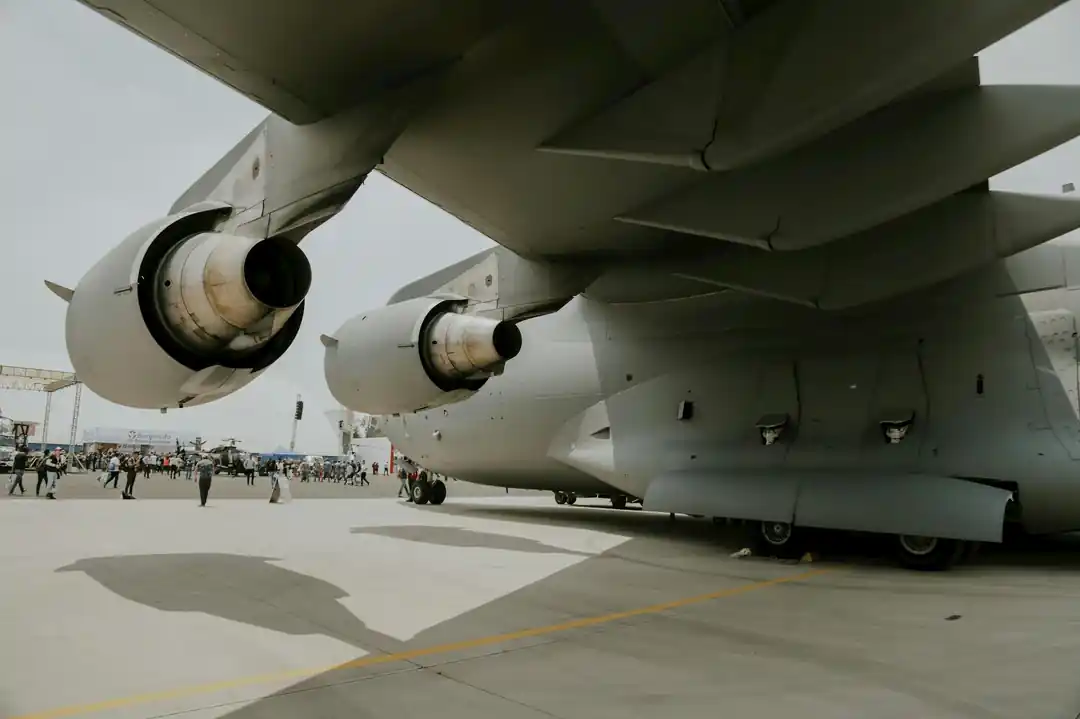
The Choreography of a Supply Mission
An airlift mission isn't as simple as loading up a plane and taking off. It's a highly coordinated effort that begins long before the engines start. Logisticians, known as "loggies," are the masterminds behind the curtain. They use complex systems to track what needs to go where, prioritize shipments, and ensure that every ounce of cargo space is used efficiently.
The process, often managed by the Air Mobility Command (AMC), involves a concept called "hub and spoke." Large C-5 Galaxy or C-17 aircraft might fly massive loads from the U.S. to a large, secure "hub" base in a region, like Ramstein Air Base in Germany or Al Udeid Air Base in Qatar. From there, the cargo is broken down and loaded onto smaller, more tactical aircraft like the C-130. These "spoke" missions are the ones that make the final, often dangerous, hop to the remote FOBs.
And sometimes, landing isn't even an option. In those cases, crews resort to airdrops. Using techniques like the Low-Altitude Parachute-Extraction System (LAPES), they can accurately drop heavy equipment like Humvees from just a few feet above the ground. For personnel and smaller bundles, high-altitude drops are common. It’s a ballet of physics and timing that ensures the mission succeeds even when the ground is too hostile to touch.
Facing the Unpredictable
The challenges are immense. Pilots contend with extreme weather, from blinding sandstorms to sudden mountain squalls. The runways, if you can even call them that, are often short, unpaved, and unforgiving. A miscalculation by a few feet could be disastrous. The crews who fly these missions are some of the most skilled pilots in the world, trained to handle their massive aircraft with the finesse of a bush pilot.
There's also the human element on the ground. At the receiving end of this air bridge are the aerial porters, or "Port Dawgs." These airmen are responsible for loading and unloading the aircraft with incredible speed and precision, often in hazardous conditions. Their work ensures that the planes can get back in the air as quickly as possible, minimizing their time as a potential target.
Thinking about this whole process leaves me in awe. It’s a side of military operations that is far from the front lines but is absolutely essential for success. It’s a testament to planning, engineering, and the sheer grit of the people who execute these missions every single day. The next time you see a massive cargo plane lumbering across the sky, give a little nod. It might just be on its way to deliver a lifeline to the edge of the world.

Beyond the Postcard: A Guide to Israeli Culture and Customs
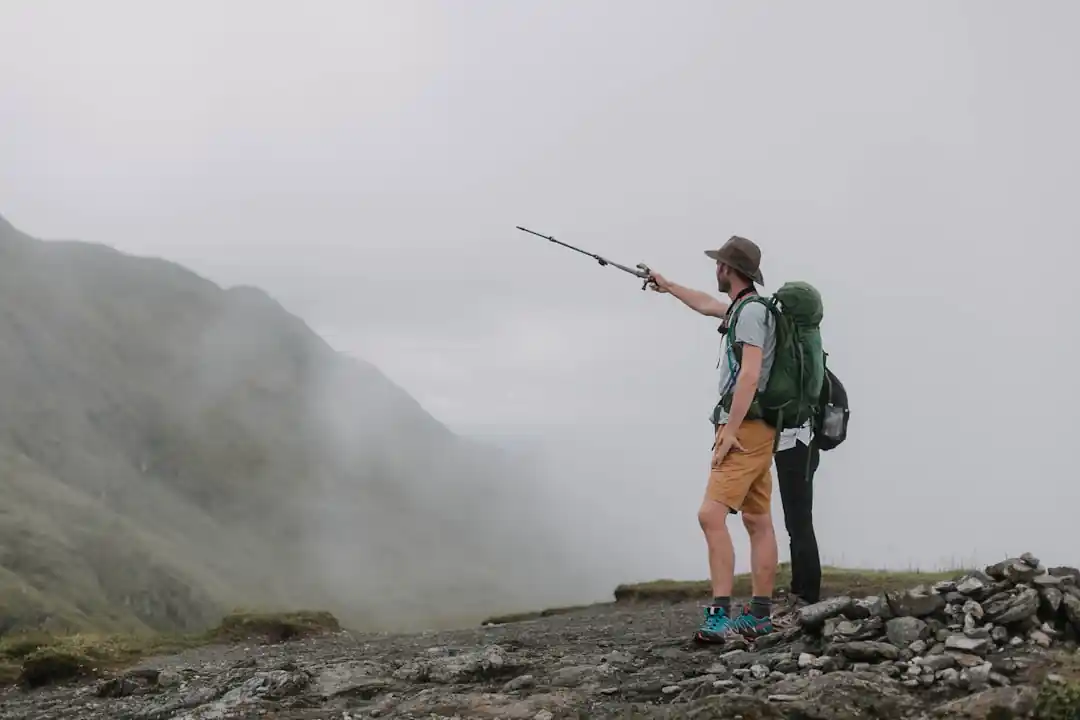
Into the Quiet: A Real-Talk Guide to Safety in Remote Locations
Related Posts
 TRANSPORT
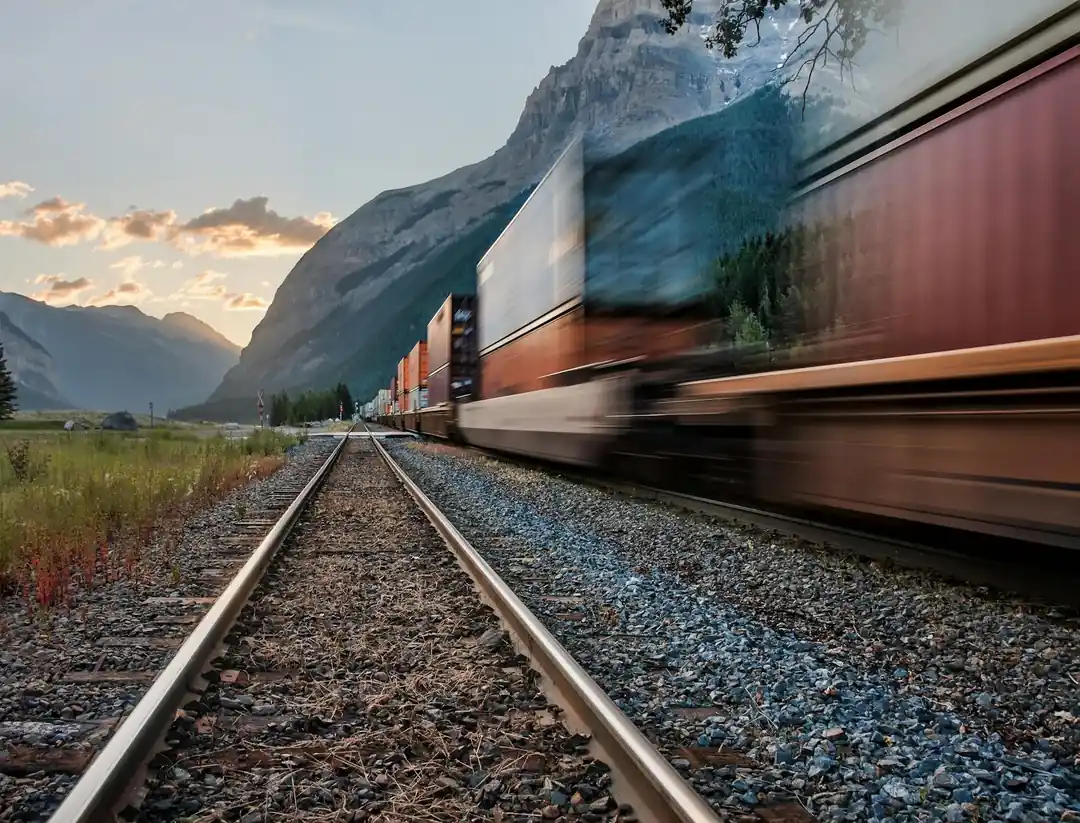
Beyond the Highway: Finding Canada's Soul on a Western Rail Adventure
Forget road trips. I'm talking about rediscovering the romance of travel on Via Rail's most scenic routes through the heart of the Canadian West. It’s an experience that changes you.
 TRAVEL TIPS
The Unwritten Rules of the North: What to Know Before Camping in Canada
Heading to the Great White North for a camping trip? It's an amazing idea. But from campfire etiquette to wildlife wisdom, here’s what you need to know before you go.

Popular Posts

Rethinking Non-Profit Promotion: Creative Strategies That Actually Drive Event Impact

Beyond Stark White: The Best Interior Paint Colors to Light Up Your New Space

How to Actually Master a New Language on Your Own (No Magic Gene Required)
