That winter chill is no joke, and your home's plumbing is on the front lines. A little prep now can save you from the nightmare of a frozen, burst pipe. Let's get your home ready.
There’s a certain quiet magic to the first real freeze of the season. The air gets impossibly crisp, the world seems to hold its breath, and you know that snow is just around the corner. It’s cozy and wonderful, until a nagging thought creeps into the back of your mind: the pipes. I’ll be honest, for years I just crossed my fingers and hoped for the best. It felt like one of those abstract problems that happens to other people. That is, until I spent a holiday weekend helping a relative deal with a burst pipe in their garage. The chaos, the expense, the sheer amount of water—it was a powerful lesson.
The science is simple and brutal. When water freezes, it expands by about 9 percent. Inside the rigid, unyielding confines of a copper or PVC pipe, that expansion creates an incredible amount of pressure. It’s not actually the ice that splits the pipe, but the pressure of the water trapped between the ice blockage and the closed faucet. When the pipe can’t take it anymore, it fails. Suddenly, you’re not just dealing with a lack of water; you’re facing a full-blown indoor flood, with potential for thousands of dollars in water damage, mold remediation, and plumbing repairs.
The good news? Most of these winter catastrophes are entirely preventable. It doesn’t require a master plumber’s license, just a bit of foresight and a few hours of work. Think of it as an investment in your peace of mind for the entire winter.
Fortifying the Fortress: Your Pre-Storm Checklist
The best time to prepare for a winter storm is, unsurprisingly, before it arrives. These are the foundational steps that create a resilient plumbing system, turning your home into a fortress against the cold. Taking an afternoon to tackle this list can make all the difference when the weather forecast takes a turn for the nasty.
First and foremost, head outside. Disconnect, drain, and store all your garden hoses. A connected hose is a frozen pipe waiting to happen, as it can trap water that freezes back into the spigot and the connecting pipe inside your wall. Once the hose is off, find the indoor shut-off valve for that exterior faucet (often a small, oval-shaped handle on a pipe in your basement or crawlspace) and turn it off. Then, go back outside and open the spigot to let any remaining water drain out completely. For a few extra dollars, you can get an insulated faucet cover, which is essentially a warm hat for your spigot. It’s a cheap and surprisingly effective layer of protection.
Next, it’s time to go on a hunt for vulnerable pipes. Any plumbing that runs through unheated or poorly insulated spaces—think crawl spaces, attics, basements, and garages—is at high risk. Your mission is to wrap them in warmth. Foam pipe sleeves are inexpensive, easy to install (most are pre-slit), and provide a crucial thermal barrier. For pipes in the most frigid, exposed areas, you might even consider UL-listed heat tape or cable, which actively warms the pipe when temperatures drop. While you’re at it, look for any air leaks from the outside that could let cold air blow on your pipes. Seal up cracks in the foundation and gaps around windows with caulk or weatherstripping.
During the Deep Freeze: Active Defense Tactics
When the storm hits and the temperature plummets into the single digits, your passive defenses need a little active support. This is when you play goalie, making small adjustments to keep the water in your pipes moving and just warm enough to stay liquid.
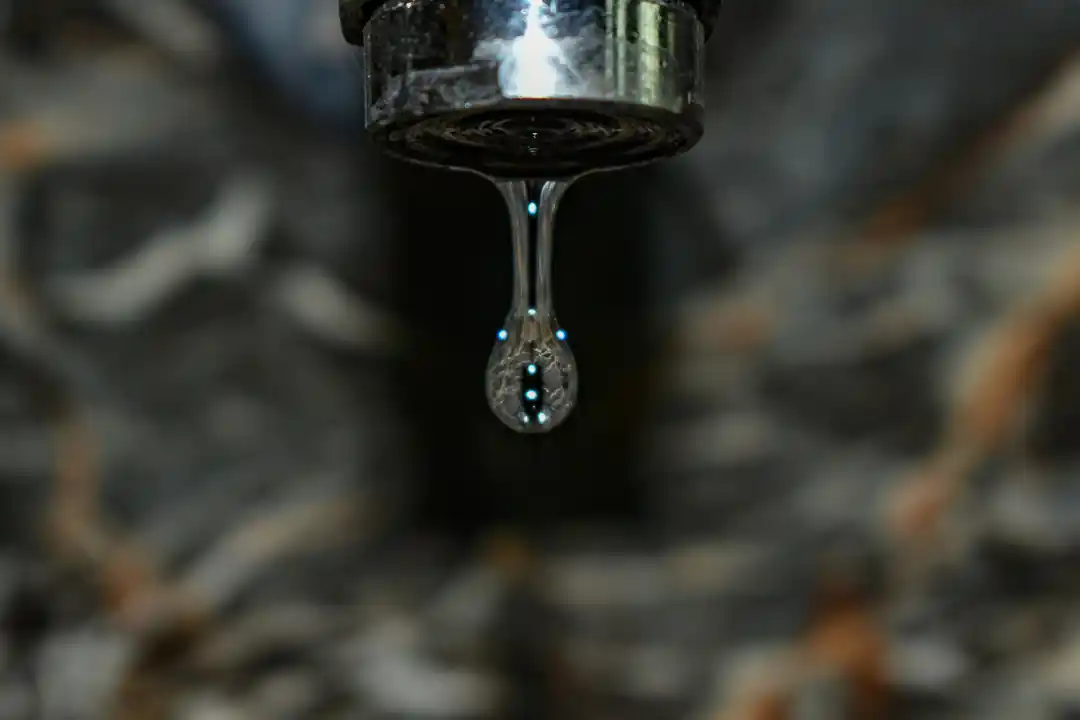
You’ve probably heard this one before, and for good reason: let your faucets drip. It’s not about the volume of water, but the movement. Even a slow, steady trickle from both the hot and cold taps can be enough to prevent a full-on freeze-up. The moving water helps, but more importantly, an open faucet relieves that dangerous pressure buildup I mentioned earlier. If a pipe does start to freeze, that pressure has a place to go instead of splitting your pipe open. Focus on the faucets that are furthest from your main water shut-off or located on exterior walls.
While you’re at it, give your pipes access to your home’s warmth. Open up the cabinet doors under your kitchen and bathroom sinks, especially if they’re on outside walls. This allows the heated air from the room to circulate around the plumbing, keeping them several degrees warmer than they would be otherwise. And finally, resist the temptation to dial down the thermostat at night. Keeping your home at a consistent, warm temperature is a critical line of defense. The money you might save on your heating bill is nothing compared to the cost of a plumbing emergency.
After the Thaw: Dealing with the Aftermath
Sometimes, despite your best efforts, the cold wins a battle. You turn on a faucet and nothing comes out. This is the moment to act quickly, but not rashly. The first step is to shut off the main water supply to your house. If the pipe has already burst, this will stop the flood. If it hasn't, it will prevent a deluge when the ice blockage finally melts. You absolutely must know where your main water shut-off is and how to use it before an emergency strikes.
Once the water is off, open the faucet that the frozen pipe leads to. This will allow water to flow out as the pipe thaws and relieves any remaining pressure. Now, for the thawing process itself. Be patient and gentle. You can use a hairdryer on a low setting, a space heater (kept a safe distance away), or towels soaked in hot water. Start your warming efforts near the faucet and work your way back toward the blockage. Under no circumstances should you ever use an open flame, like a propane torch, to thaw a pipe. It’s a massive fire hazard and can damage the pipe itself.
If you can’t find the frozen section, if it’s in an inaccessible area like inside a wall, or if your attempts to thaw it aren’t working, it’s time to call a professional plumber. They have the tools and expertise to handle the situation safely. A frozen pipe is an inconvenience; a burst pipe is a disaster. Knowing when to call for help is just as important as knowing how to prepare. Stay warm, stay safe, and here’s to a winter of free-flowing water.

A Weekend in Munich: Walking Through Centuries of History
Beyond Chicken Soup: Fortifying Your Kitchen Against Flu Season

Related Posts
 INTERIOR IDEAS
Beyond Stark White: The Best Interior Paint Colors to Light Up Your New Space
Discover how moving away from flat white walls to soft pale blues, earthy sage greens, and cozy warm neutrals can naturally brighten your home.
 HOME IMPROVEMENT
The Honest Winter Energy Guide: How I Cut Heating Costs Without Freezing
Practical, research-backed ways to keep your home warm and your utility bills reasonable this winter, from simple DIY sealing to smart habits.

Popular Posts

Rethinking Non-Profit Promotion: Creative Strategies That Actually Drive Event Impact
Beyond Stark White: The Best Interior Paint Colors to Light Up Your New Space

The Simple Pre-Workout Fueling Strategy That Saved My Long Runs