Beyond the Trend: The Best Sustainable Brands for Your Real Life
Tired of fast fashion? Let's explore some of the best sustainable and ethical brands that make clothes you'll actually want to wear every day.
It feels like just yesterday we were all chasing the latest trends, often without a second thought about where our clothes came from or what impact they had. But times are changing, and honestly, it's a beautiful thing to witness. The conversation around fashion has shifted dramatically, moving from fleeting fads to lasting values. We're now more aware of the environmental toll of fast fashion—the massive water consumption, the chemical pollution, and the overflowing landfills. It's a heavy thought, isn't it?
Beyond the environmental impact, there's the human cost. Many of us have become increasingly uncomfortable with the idea that our stylish new top might have been made under exploitative labor conditions. The desire for transparency and ethical production has grown exponentially, pushing brands to re-evaluate their entire supply chains. This isn't just a niche movement anymore; it's a mainstream demand for a more responsible way of dressing.
This shift isn't about shaming anyone for their past choices, but rather about empowering us all to make better ones moving forward. It's about understanding that every purchase is a vote for the kind of world we want to live in. When we choose sustainable fashion, we're not just buying a garment; we're investing in cleaner oceans, fairer wages, and a healthier future for everyone. It's a powerful feeling, knowing your wardrobe can be a force for good.
What Makes a Brand Truly Sustainable?
Navigating the world of "sustainable" claims can feel a bit like walking through a maze, with so many brands touting their eco-credentials. But in 2025, true sustainability goes far beyond a single buzzword. It's a holistic approach that touches every aspect of a brand's operation, from the fibers they choose to the way they treat their employees and even how they encourage you to care for your clothes. It's a commitment that's deeply woven into their very fabric, if you will.
One of the biggest indicators of a truly sustainable brand is its material choices. We're talking about organic cotton (GOTS certified, of course), recycled polyester, Tencel, hemp, and innovative materials that are becoming more mainstream. These aren't just "better" options; they often require less water, fewer pesticides, and produce less waste. Brands are also embracing deadstock fabrics, giving new life to materials that would otherwise end up in a landfill.
Beyond materials, transparency is key. A truly sustainable brand isn't afraid to show you its supply chain, from the farm where the fibers are grown to the factory where the garments are sewn. They'll often have certifications like Fair Trade, ensuring that the people making your clothes are paid fair wages and work in safe conditions. And increasingly, brands are focusing on circularity—offering repair programs, take-back initiatives, and even resale platforms to extend the life of their products and keep them out of landfills. It's about closing the loop and making sure that fashion doesn't have to be disposable.
Everyday Heroes: Brands Leading the Charge
So, who are the real game-changers in the everyday sustainable fashion space? It's exciting to see so many brands stepping up, making it easier than ever to build a conscious wardrobe without compromising on style or comfort. These are the names that consistently come up in conversations about ethical practices and quality products, the ones you can genuinely feel good about supporting.
Patagonia remains a gold standard. Their commitment to environmental activism, use of over 70% recycled materials, and their Worn Wear repair program are truly inspiring. They're not just selling clothes; they're advocating for the planet. Their fleeces and outdoor gear are legendary, but their everyday tees and pants are just as thoughtfully made.
Then there's Everlane, known for its radical transparency in pricing and production. They offer high-quality basics that are built to last, from their timeless cashmere sweaters to their perfect-fit denim. They make it easy to understand where your clothes come from and why they cost what they do, which is a refreshing change of pace.
For those who live in denim, Nudie Jeans is a fantastic choice. They offer free lifetime repairs on their jeans, which is an incredible commitment to longevity. Their focus on organic cotton and transparent production makes them a leader in the sustainable denim space. And if you're into athleisure, Girlfriend Collective is making waves with stylish activewear made from recycled materials like old water bottles. Their leggings and sports bras are not only chic but also incredibly comfortable and eco-friendly.
Beyond the Label: A Mindful Approach to Style
While choosing sustainable brands is a huge step, true sustainable fashion is also about how we interact with our clothes long after they leave the store. It's a mindset, a way of living that extends the life of every garment and minimizes our overall impact. Think of it as a partnership between you and your wardrobe, where care and intention are just as important as the initial purchase.
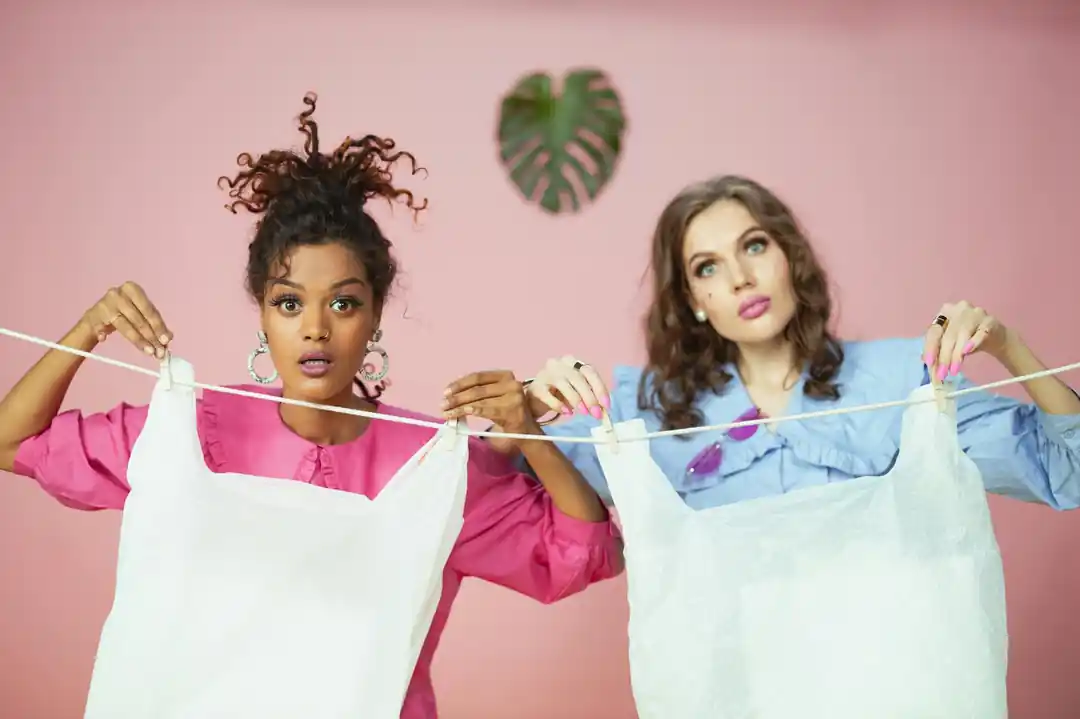
One of the simplest yet most impactful things we can do is to care for our clothes properly. Washing them less frequently, using cold water, and air-drying can significantly reduce their environmental footprint and extend their lifespan. Learning basic mending skills, or taking items to a local tailor, can transform a worn-out piece into a beloved staple, saving it from an early trip to the landfill. It's about appreciating the craftsmanship and the resources that went into making each item.
Embracing circular fashion models is another powerful way to live sustainably. This means exploring options like clothing rentals for special occasions, participating in take-back programs offered by brands, or even delving into the vibrant world of second-hand and vintage shopping. Resale platforms are booming, allowing us to give clothes a second life and discover unique pieces with character. Ultimately, sustainable fashion isn't just about buying new, but about valuing what we already have and making thoughtful choices at every stage of a garment's journey.
I hope this gives you a little inspiration for your own sustainable style journey. It's not about perfection, but progress, and every small step makes a difference.

Beneath the Waves: The Terrifying Origin of the Kraken
The Athlete's Codex: How to Build a Routine for Peak Performance

Related Posts
 BUYING GUIDES & PRICE INFO
The Clean Beauty Decoder: Your Guide to Actually Understanding Ingredients
Feeling lost in the world of clean beauty? Let's cut through the noise together and learn how to read ingredient labels with confidence. It's easier than you think.
 PRODUCT CATEGORIES
Beyond the Badge: The Real Things to Look For When Buying a Luxury SUV
Thinking about a luxury SUV? It's more than just a status symbol. Let's explore the details that truly matter, from the whisper-quiet ride to the long-term value.

Popular Posts

Rethinking Non-Profit Promotion: Creative Strategies That Actually Drive Event Impact

Beyond Stark White: The Best Interior Paint Colors to Light Up Your New Space

How to Actually Master a New Language on Your Own (No Magic Gene Required)
