Explore how the shift toward on-device generative AI is transforming smartphone hardware architectures, chipsets, and thermal management.
The shift to on-device AI
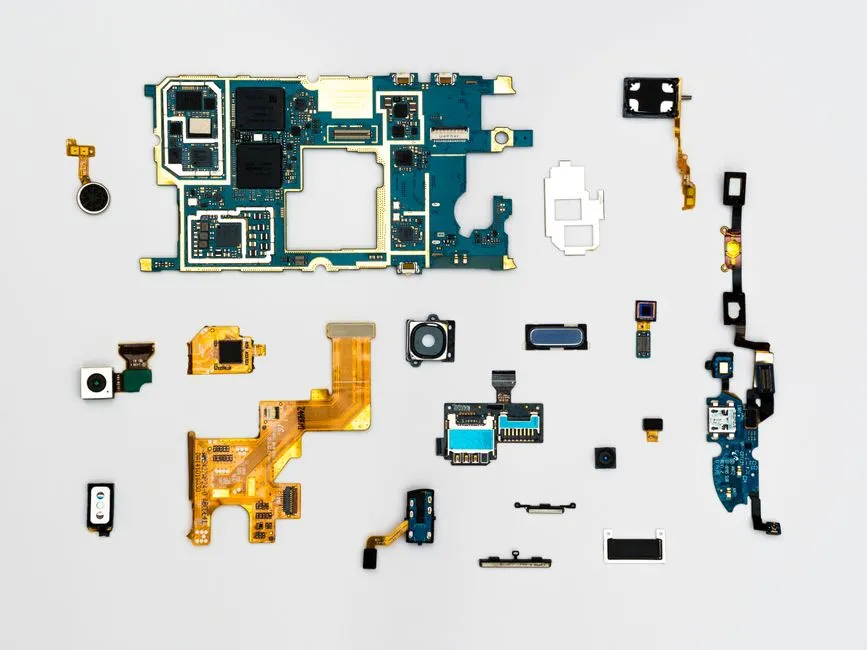
Artificial intelligence has moved from a background software utility to a primary driver of smartphone architecture. For over a decade, machine learning supported basic functions like predictive text and facial recognition, serving as the AI hiding in plain sight within our devices. But generative AI has changed what users expect from their mobile devices. Over one billion generative AI-equipped smartphones are projected to be shipped cumulatively between 2024 and 2027. This adoption requires moving from cloud-dependent computing toward edge AI, where complex workloads are processed locally on the device.
Processing AI models directly on hardware offers advantages like reduced latency, bandwidth savings, and better data privacy. When a model processes information locally, it doesn't need to transmit sensitive user data to remote data centers. This is why on-device AI is a game-changer for users who value security and speed. This allows features like real-time language translation, advanced photo editing, and interactive voice assistants to respond almost instantly. Because of this, smartphone manufacturers can no longer rely on traditional configurations that prioritize simple sequential tasks over intensive parallel workloads.
This shift puts heavy demands on the physical layout and silicon of mobile devices. Edge AI requires hardware that can run massive machine learning algorithms while staying energy efficient and compact. Balancing computational power, thermal output, and battery life is a significant engineering challenge. As a result, semiconductor companies and designers are rethinking mobile processors, power management, and thermal architecture.
Evolution of mobile processors and chipsets
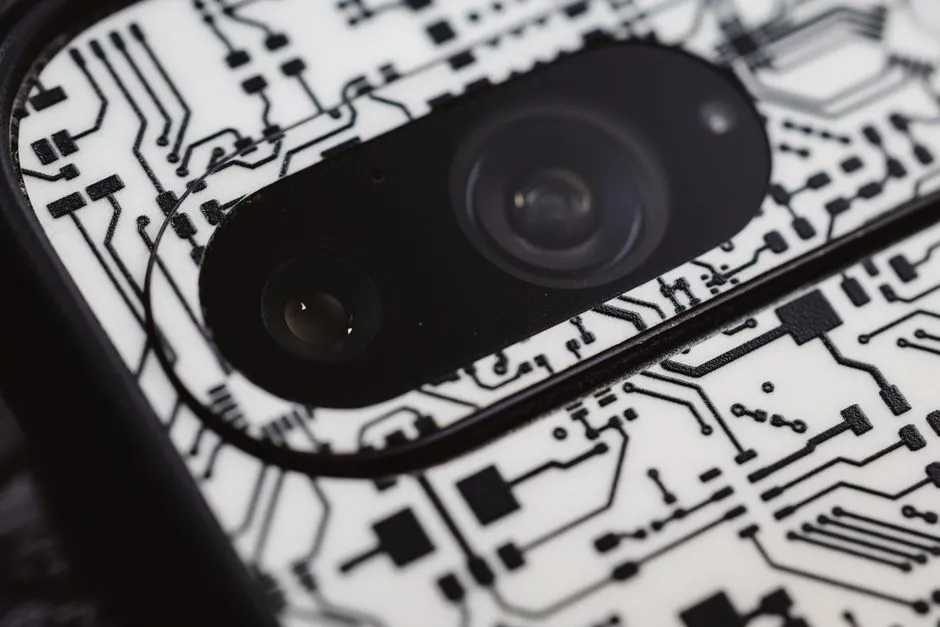
Advanced mobile processors—often called System on a Chip (SoC) architectures—are central to this hardware shift. Traditional Central Processing Units (CPUs) are built for versatile, sequential processing, which isn't enough for the heavy parallel workloads modern machine learning models require. To address this, chipmakers have integrated specialized units into mobile silicon, combining CPUs with Graphics Processing Units (GPUs), Field-Programmable Gate Arrays (FPGAs), and Application-Specific Integrated Circuits (ASICs). These architectures are better at handling the massive datasets and complex calculations used in artificial intelligence.
Recent chipsets, such as MediaTek’s Dimensity 9300, Qualcomm’s Snapdragon 8 Gen 3, and Samsung’s Exynos 1680, show this transformation. These platforms have dedicated neural processing units to accelerate generative AI tasks on the device. By moving these workloads away from the cloud, chipsets can run features like real-time image generation, document summaries, and predictive user behavior models directly on the silicon. As on-device AI makes smartphones smarter, the availability of scaled chipsets, such as the Snapdragon 8s Gen 3, means these AI capabilities are no longer restricted to ultra-premium flagships.
The growth of the global smartphone processor market reflects these changes. Driven by demand for high-performance gaming, 5G, and AI applications, semiconductor companies are pushing the limits of silicon design. Manufacturers are focusing on smaller process nodes and integrated AI engines to maximize performance per watt. This cycle ensures that mobile processors will remain the engine for personal computing and intelligent hardware.
Power management and thermal optimization
Integrating AI workloads into compact mobile chassis creates thermal and energy challenges. Complex machine learning models strain the battery, which can reduce daily usability if power delivery isn't managed. Hardware designers are introducing power management solutions and digital multiphase controllers to handle dynamic voltage fluctuations. These power management ICs support advanced phase outputs for core, graphics, and auxiliary domains, distributing power efficiently where it's needed most.
Components like smart power stages and digital controllers with variable-frequency hysteretic peak-current mode control help optimize energy. These technologies combine phase-current sensing with rapid transient response to meet power delivery requirements under heavy AI workloads. By minimizing quiescent current and optimizing power delivery, these solutions can extend battery life during intensive tasks. This efficiency is necessary to maintain performance without causing excessive heat inside a sealed smartphone casing.
Thermal management is also tied to the physical design of AI smartphones. As processors sustain higher workloads longer, heat dissipation is necessary to prevent thermal throttling. Manufacturers are using cooling systems, including vapor chambers and specialized thermal interface materials, next to the SoC and neural processing units. Without these frameworks, the performance of mobile AI would be limited by overheating and rapid battery drain.
Hardware limitations and future form factors
Despite progress in silicon engineering, AI integration still faces hardware limitations. For example, AI models like Google’s Gemini Nano have encountered deployment hurdles due to hardware constraints, showing the tension between software ambition and silicon capabilities. Ensuring sufficient RAM bandwidth, neural processing capacity, and storage speeds in a slim form factor requires constant compromise. Additionally, the rush to adopt AI devices may increase electronic waste as consumers upgrade more frequently.
These constraints are also leading to new form factors and device architectures. Partnerships between telcos and developers are exploring app-less smartphone concepts, such as the T-phone, which use AI as a digital concierge rather than relying on individual applications. Companion wearables like AI pins, smart glasses, and portable gadgets are also emerging to offload tasks from handsets. These ecosystems suggest a future where personal computing is distributed across various form factors, changing how humans interact with digital interfaces.
References

Best AI-powered productivity apps that enhance rather than replace manual problem solving
Best mobile AI news apps for tracking software developments

Related Posts
 TECH
Recommended tablet apps and mobile exercises to maintain brain agility in a digital world
Explore evidence-based tablet apps and mobile exercises designed to maintain cognitive agility, improve focus, and combat digital distraction.
TECHBest AI-powered productivity apps that enhance rather than replace manual problem solving
Discover how AI-powered productivity tools can augment human capability by automating routine workflows without replacing critical thinking and problem-solving skills.

Popular Posts

How virtual companion therapy reduces social anxiety in adults
Recommended tablet apps and mobile exercises to maintain brain agility in a digital world
Best AI-powered productivity apps that enhance rather than replace manual problem solving