Beyond the Brochure: A Realist's Guide to Vetting Travel Safety in Complex Regions
That pull to explore the world's less-traveled corners is strong, but true adventure requires wisdom. Here’s how to move beyond basic advice and properly research safety for complex destinations.
There’s a certain kind of wanderlust that a glossy brochure just can’t satisfy, isn't there? It’s a magnetic pull toward the world’s more intricate, less-packaged destinations—places that hum with a different kind of energy. I feel it too. It’s the desire to see the world not as a curated theme park, but as the beautifully complex, living, breathing thing that it is. But let’s be honest with each other: venturing into these regions requires a different level of preparation. It demands more than just booking a flight and packing a bag.
I used to think a quick look at an official travel warning was enough due diligence. A simple checkmark on the pre-trip to-do list. But after a few journeys that were a little more… educational than I’d planned, I realized that this approach is like reading the cover of a book and thinking you know the story. For complex regions, you have to read the chapters, understand the characters, and even read the footnotes.
This isn't about scaring yourself out of a life-changing experience. It’s the exact opposite. It’s about arming yourself with a deep, nuanced understanding of your destination so you can navigate it with confidence and respect. True adventure isn’t about recklessness; it’s about having the wisdom to prepare for the unexpected, so you’re free to embrace the incredible moments when they arrive.
Your First Stop: Decoding Government Advisories
Before you get lost in blogs and travel forums, your foundational layer of research must be the official advisories from government bodies. Organizations like the U.S. Department of State, the UK’s Foreign, Commonwealth & Development Office (FCDO), and Australia's Smartraveller are not in the business of being dramatic. They employ teams of people on the ground to gather and analyze intelligence, providing an objective, high-level overview of the risks.
These advisories are typically broken down into a simple tiered system. For the U.S. Department of State, it’s a four-level scale. Level 1, "Exercise Normal Precautions," is the baseline for any international travel. Level 2, "Exercise Increased Caution," suggests heightened awareness is needed. When you see Level 3, "Reconsider Travel," or Level 4, "Do Not Travel," you need to pay very close attention. These aren't suggestions; they are serious warnings based on specific, credible threats to safety and security.
But don't stop at the number. The real value is in the details. Look for the specific "Risk Indicators" they provide. These are single-letter codes like 'C' for Crime, 'T' for Terrorism, 'U' for Civil Unrest, or 'H' for Health. A country with a 'C' risk profile requires a different set of precautions than one with a 'U' profile. This helps you move from a vague sense of danger to a concrete understanding of what to watch out for. Is the primary risk petty theft in tourist areas, or is it political instability leading to large-scale protests? The answer will fundamentally change how you plan your trip.
For American citizens, enrolling in the Smart Traveler Enrollment Program (STEP) is an absolute must. It’s a free service that registers your trip with the nearest U.S. embassy or consulate. Should a large-scale emergency occur—a natural disaster, a political crisis—the embassy will know you're in the country and have a way to contact you with instructions and updates. It’s a digital safety net that takes two minutes to set up and provides an invaluable link to help if you need it.
Beyond the Official Lines: Building a 360-Degree View
Government advisories are the essential, non-negotiable starting point, but they are not the end of your research. Think of them as a wide-angle shot; to truly understand the landscape, you need to zoom in. This is where you start layering other sources to build a more complete, nuanced, and timely picture of the situation on the ground.
Start with reputable international news sources that have correspondents in the region—think Reuters, Associated Press, or the BBC. They can provide context and real-time reporting that may move faster than official government updates. Then, take it a step further: find local news outlets from your destination. Even with the help of a web translator, you can get a feel for the current events and public mood that a foreign journalist might miss. What are the local headlines? What issues are people talking about?
Next, dive into the world of expat and traveler forums. Websites like Reddit have dedicated subreddits for nearly every country, where you can ask specific questions and get answers from people living there right now. Is that neighborhood you were looking at still considered safe? Is the political situation affecting daily life for visitors? These on-the-ground perspectives are gold. They provide the texture and detail that broad advisories often lack, helping you understand the difference between a theoretical risk and a practical reality.
Finally, pay close attention to local laws and cultural norms. This is a critical, and often overlooked, aspect of travel safety. An act that is perfectly normal in the United States could be a serious cultural taboo or even a criminal offense elsewhere. Researching things like dress codes, rules around alcohol consumption, and social etiquette isn't just about being a respectful tourist; it's a direct investment in your personal security. The goal is to blend in as much as possible, not to stand out as an easy target.
From Knowledge to Action: Your Personal Safety Blueprint
All this research is meaningless if you don't translate it into a concrete plan. This is where you take everything you’ve learned and build a personal safety blueprint tailored to you, your destination, and your travel style. It’s your playbook for navigating with confidence.
First, create a robust communication plan. Share your detailed itinerary with a trusted friend or family member back home—include flight numbers, hotel addresses, and contact information. Establish a regular check-in schedule, whether it’s a daily text or a call every few days. Program local emergency numbers (police, ambulance) and the contact info for your country's embassy into your phone before you even leave.
Second, think about health and wellness. Visit a travel clinic or your doctor at least a month before your trip to get any necessary vaccinations and medications. Pack a small first-aid kit with essentials tailored to your destination. Research the location of reputable hospitals or clinics near where you’ll be staying. Knowing where to go if you get sick provides incredible peace of mind.
Third, secure your digital life. A VPN (Virtual Private Network) is non-negotiable for using public Wi-Fi, as it encrypts your data and protects it from prying eyes. Download offline maps of your area so you can navigate without a data connection. Be mindful of what you post on social media; it’s best to share the details of your amazing trip after you’ve safely returned home, not while you’re still there.
Finally, prepare for the unexpected. Make two photocopies of your passport, visa, and other important documents. Keep one set in your luggage and leave the other with your emergency contact at home. Having a small stash of emergency cash in a currency that's easily exchangeable is also a wise move. These small preparations can turn a potential crisis into a manageable inconvenience.
The world’s most fascinating places are often the ones that ask a little more of us as travelers. They challenge us to be more aware, more prepared, and more respectful. Embracing this challenge and doing the work beforehand doesn’t diminish the magic of travel; it enhances it. It gives you the freedom to immerse yourself fully, knowing you’ve done everything in your power to be a smart, responsible, and safe explorer. May your research lead you to incredible places.

Navigating Socotra: Your Guide to Getting Around the Dragon's Blood Island
Navigating the Heart of Hospitality: Essential Etiquette for Your Middle Eastern Journey

Related Posts
 TRANSPORT
Beyond the Highway: Finding Canada's Soul on a Western Rail Adventure
Forget road trips. I'm talking about rediscovering the romance of travel on Via Rail's most scenic routes through the heart of the Canadian West. It’s an experience that changes you.
 TRAVEL TIPS
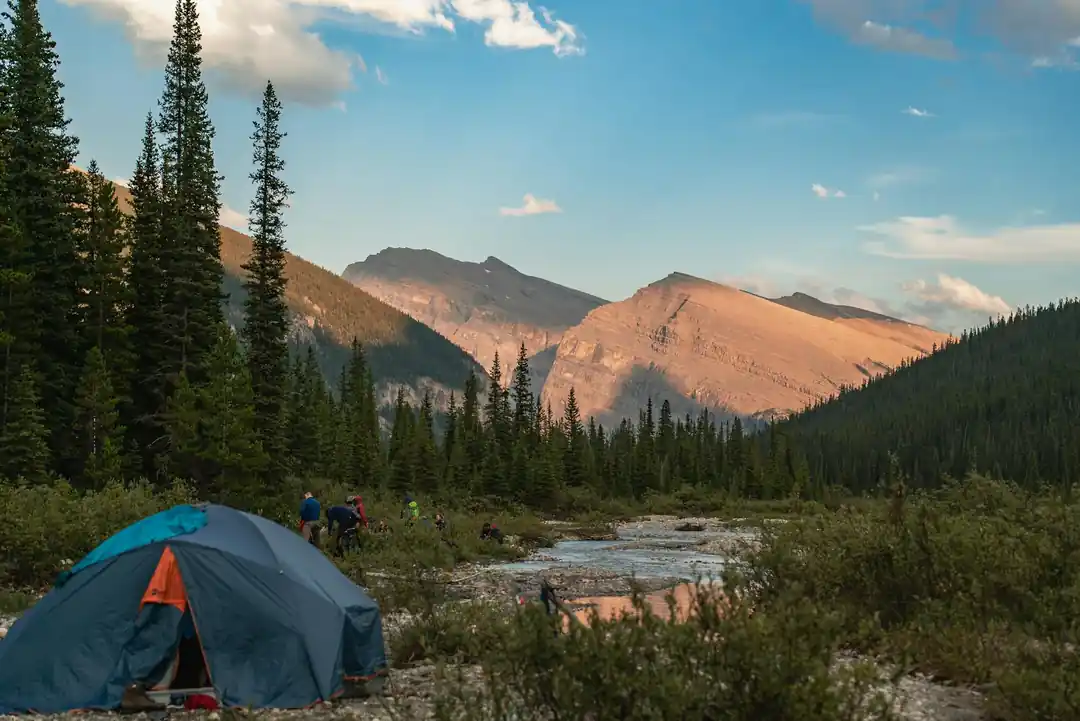
The Unwritten Rules of the North: What to Know Before Camping in Canada
Heading to the Great White North for a camping trip? It's an amazing idea. But from campfire etiquette to wildlife wisdom, here’s what you need to know before you go.

Popular Posts

Beyond Stark White: The Best Interior Paint Colors to Light Up Your New Space

How to Actually Master a New Language on Your Own (No Magic Gene Required)

The Simple Pre-Workout Fueling Strategy That Saved My Long Runs