It's a rare, heart-stopping moment. Knowing how to react when you meet a cougar on the trail can make all the difference. Here's how to stay safe.
There's a unique feeling that comes with being deep in the wilderness, miles away from the nearest ring of a cell phone. It's a mix of peace, freedom, and a primal connection to the world around us. We hike to escape, to challenge ourselves, and to witness the raw beauty of nature. But in these quiet, untamed places, we are merely visitors. We walk through the living rooms and hunting grounds of animals that have called these lands home for millennia, including one of North America's most formidable predators: the mountain lion.
Honestly, the thought of a close encounter with a cougar is enough to make your heart pound. They are ghosts of the forest, masters of camouflage, and symbols of true wildness. Sightings are incredibly rare, and attacks are even rarer. Yet, as more of us seek solace on the trails, the chances of crossing paths, however slim, do exist. I used to think that simply being quiet and respectful was enough, but true respect comes from preparation.
Knowing how to act in that heart-stopping moment when you lock eyes with a mountain lion is not about fear. It's about knowledge, safety, and a deep appreciation for the animal's power and place in the ecosystem. It’s about turning a moment of potential panic into one of informed, calm action. Let's walk through what you can do, long before you even see one, to ensure the encounter remains what it should be: a wild, and safe, memory.
Before You Hit the Trail: Hiking Smart in Cougar Country
The best way to handle a mountain lion encounter is to prevent it from happening in the first place. These animals are naturally wary of humans and will almost always avoid contact if they know you're coming. The key is to not take them by surprise. This starts with how you conduct yourself from the moment you step out of your car.
First, make some noise. I know it can feel counterintuitive when you're trying to soak in the peace and quiet, but this is crucial. Talk with your hiking partners, sing a song off-key, or clap your hands every so often, especially when rounding blind corners or walking through dense brush. According to the National Park Service, this auditory warning is one of the most effective ways to let wildlife know you're in their space, giving them plenty of time to move away.
Second, timing and awareness are everything. Mountain lions are most active at dawn and dusk, which are their primary hunting times. If you can, schedule your hikes for the middle of the day. If you are an early riser or a sunset chaser, be extra vigilant. And please, leave the headphones in your pack. Your ears are one of your best tools for detecting what's happening around you. Being fully present in the environment isn't just for your safety; it's a core part of the hiking experience itself.
Finally, if you're hiking with small children or a dog, you have to be even more careful. Keep your children close and within sight at all times. A small, fast-moving child can, from a distance, unfortunately, resemble prey. The same goes for pets. Always keep your dog on a leash. It not only prevents them from startling a lion but also protects them from becoming a target.
The Encounter: What to Do When You See a Lion
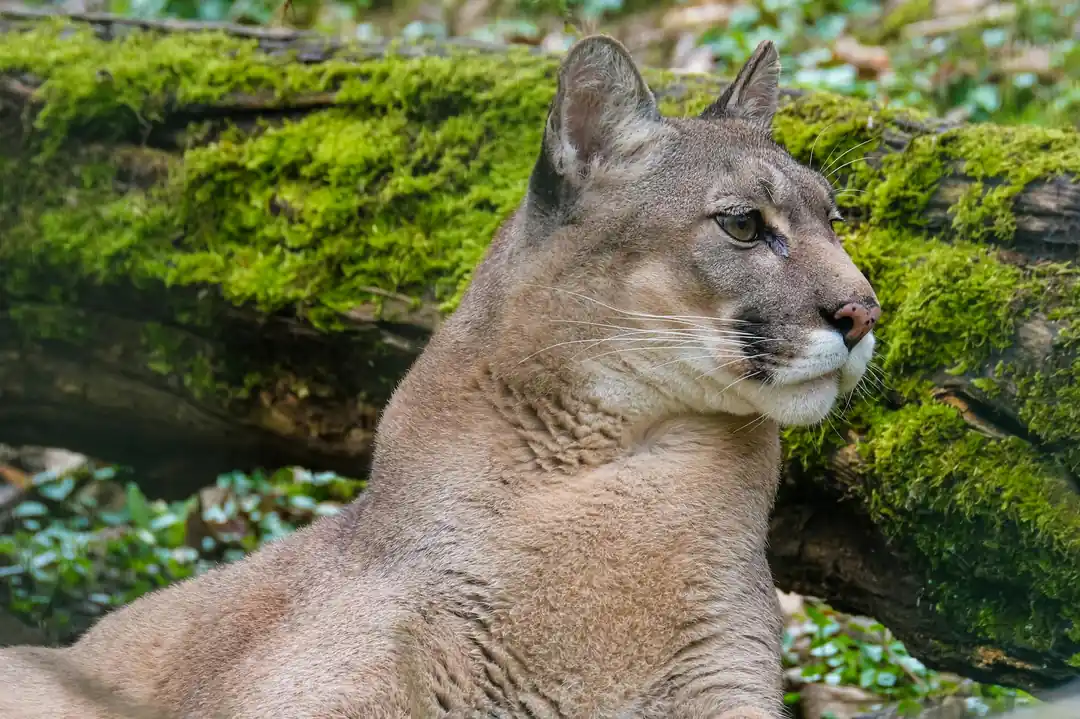
So, the unlikely has happened. You've rounded a bend, and there it is. A long, tawny body, a twitching tail, and intense, focused eyes. Your adrenaline will spike. Your instincts might scream "run!" You must fight that instinct with everything you have.
Do. Not. Run. This is the golden rule. Running can trigger a predator's chase response. A mountain lion can cover 40 feet in a single bound and reach speeds of 50 mph. You cannot outrun it. Instead, plant your feet. Stand your ground. Your goal now is to convince the lion that you are not prey, but a threat.
Make yourself look as large as possible. Stand tall, raise your arms, and open your jacket wide. If you are with others, group together to appear as one large, intimidating figure. Maintain direct eye contact. As wildlife experts from Mountain Lion Foundation advise, never turn your back or take your eyes off the animal. This shows you are aware and confident.
Next, make loud, firm noises. Yell. Shout. Speak in an authoritative voice. You're not trying to be polite anymore. You are trying to signal that you are a danger to it. If you have trekking poles, bang them together. Throw stones or branches in its direction, not necessarily to hit it, but to reinforce that you are aggressive and not an easy meal. If you have small children, pick them up without bending over or turning away from the lion.
In most cases, a mountain lion that is not defending a kill or its young will retreat when faced with a human who appears large and aggressive. Give it the space and time to do so. You can slowly back away, but never, ever turn your back. Keep facing the lion and continue your display of dominance until it is out of sight.
If the Unthinkable Happens: Fight Back
This is the scenario we all hope to avoid, and it is exceedingly rare. However, if a mountain lion makes physical contact, your only chance is to fight back with absolute ferocity. Do not curl up. Do not play dead. This is a predator that has decided to attack, and your life is on the line.
Use anything and everything as a weapon: rocks, branches, your backpack, water bottles, trekking poles, or your bare hands. Protect your head and neck, as this is where lions will try to deliver a fatal bite. Aim for sensitive areas like the eyes and face. People have successfully fought off attacks by being relentlessly aggressive. The animal is looking for a meal, not a battle that could leave it injured and unable to hunt. Make it clear that you are not worth the fight.
After any encounter, once you are safe, report it to the local park rangers or wildlife authorities immediately. Providing details about the location and the lion's behavior helps them keep the area safe for everyone.
Hiking in the wild places of our country is a gift. It connects us to something larger than ourselves. By carrying this knowledge with us, we honor the wildness we seek to experience, ensuring we can coexist safely and respectfully with the magnificent creatures that call it home.
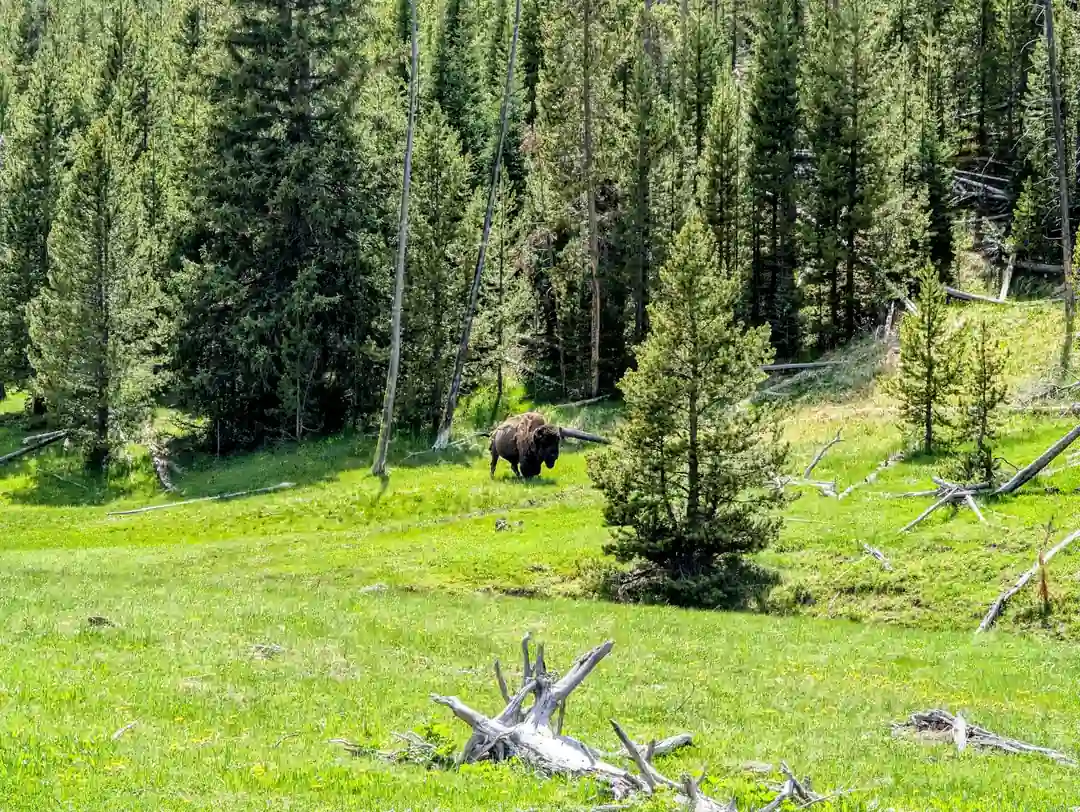
Where the Wild Things Are: A Guide to America's Best National Parks for Wildlife
Landed in Phoenix? Your Ultimate Guide to Getting Around Sky Harbor

Related Posts
 HOBBIES
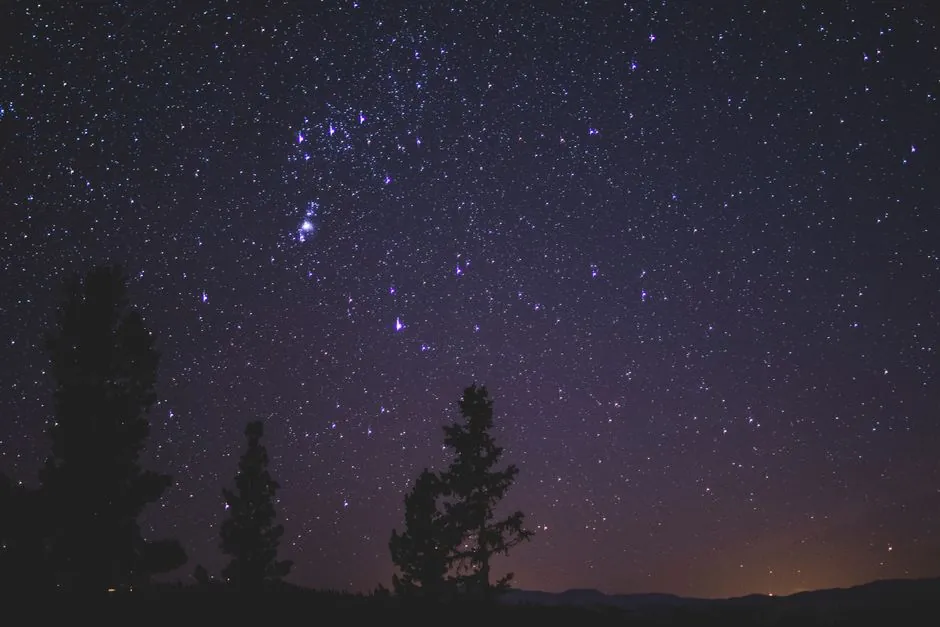
The Beginner's Guide to Reading the Night Sky: How to Spot Your First Constellations
A friendly, grounded guide to navigating the night sky, understanding stellar movements, and spotting iconic constellations without expensive gear.
 PETS
PETSSniffle-Free Snuggles: America's Most-Loved Hypoallergenic Dogs
Dreaming of a furry friend but dreading the sneezes? You're not alone. Let's dive into the wonderful world of popular hypoallergenic dog breeds in the US.

Popular Posts

Rethinking Non-Profit Promotion: Creative Strategies That Actually Drive Event Impact

Beyond Stark White: The Best Interior Paint Colors to Light Up Your New Space

How to Actually Master a New Language on Your Own (No Magic Gene Required)
